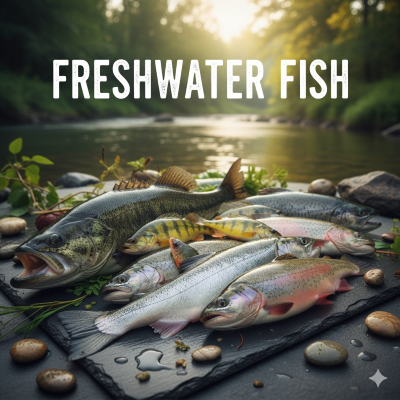
The global freshwater fish market is entering a transformative decade, projected to surge from USD 251.8 billion in 2025 to USD 327.3 billion by 2035, growing at a steady CAGR of 3.0%. Fueled by evolving culinary trends, rising urbanization, and a heightened focus on sustainable sourcing, the sector is witnessing an exciting phase of innovation among established giants and dynamic new entrants alike.
From traditional seafood favorites to emerging eco-friendly and lab-grown alternatives, manufacturers are expanding their portfolios to meet the demands of health-conscious and environmentally aware consumers worldwide.
Get this Report at $3500 | Claim Your Report at a Discount
Expanding Global Opportunities and Evolving Consumer Trends
Freshwater Fish, defined as unprocessed fish that remains free from preservatives, is increasingly sought after for its versatility and nutritional value in cuisines spanning from sushi bars in Tokyo to upscale seafood grills in Paris. As restaurant culture expands across urban centers and middle-class consumers grow more inclined toward premium dining, demand for a diverse range of fish — from salmon and trout to tilapia and sardines — continues to climb.
According to the latest analysis, price ranges vary notably by species and location. Salmon and halibut command premium tags due to their nutritional benefits and role in gourmet cuisines, while tilapia, mackerel, and sardines enjoy steady demand in everyday meals. Geographic proximity to fishing hubs continues to shape regional prices, underscoring logistical efficiencies and the value of robust cold-chain systems.
Driving Forces: Aquaculture, Sustainability, and Technology
The aquaculture revolution remains one of the primary pillars supporting global market expansion. With cutting-edge technologies enhancing breeding, disease resistance, and water quality management, major players such as Mowi ASA and Grieg Seafood are elevating production capacity and ensuring year-round supply.
The adoption of sustainable aquaculture methods is reshaping the industry’s future. By integrating renewable energy systems, traceability solutions, and ethical farming practices, manufacturers are directly addressing environmental concerns and regulatory tightening. These initiatives also align with growing consumer preferences for responsibly sourced seafood.
Mowi, Thai Union Group, and Marine Harvest Canada continue to lead the charge with scalable sustainable operations, while U.S.-based Seafood Group focuses on strengthening its logistics and supplier networks to deliver freshness to inland markets.
Established Leaders and Emerging Innovators
Legacy producers are now joined by a wave of innovative startups pushing the boundaries of seafood technology. Bluestone Seafood, a U.S.-based disruptor, leverages a direct-to-consumer model to offer sustainably caught fish at accessible prices. Similarly, Fishwife has carved out a niche by blending traditional smoking techniques with ethical sourcing, appealing to gourmet audiences.
Meanwhile, biotechnology startups like Finless Foods are pioneering lab-grown alternatives, reducing environmental strain while broadening options for protein-conscious consumers. These advances help balance rising global demand with marine conservation needs — a critical factor in future growth.
Regional Momentum: Asia-Pacific, the Americas, and Europe
Emerging economies contribute significantly to market momentum. India’s freshwater fish segment is charting an impressive CAGR of 6.4%, driven by urbanization, health awareness, and growing disposable income among the middle class. China follows with a 5.6% CAGR, where dietary modernization and aquaculture development are transforming seafood consumption patterns.
In the Western hemisphere, the United States continues to demonstrate strong growth rooted in sustainability and ethical sourcing. Europe, led by countries such as France, Germany, and the UK, maintains robust demand through both domestic and imported supplies — particularly high-value fish like salmon, cod, and seabass. Mediterranean countries including Greece and Turkey remain essential exporters, thanks to strategic coastal aquaculture infrastructure.
In Latin America, Brazil and Argentina are leveraging vast freshwater resources to accelerate domestic production while enhancing export potential. South Korea and Japan sustain high consumption levels, supported by technology-driven cold-chain logistics that preserve fish quality and freshness from ocean to plate.
Key Market Segments Fueling Demand
By product type, pelagic fish such as mackerel, sardines, and herring hold a commanding 65% market share in 2025, largely due to their abundance, sustainability, and impressive nutritional profiles rich in omega-3 fatty acids.
In terms of form, fresh fish dominates over frozen with a 70% market share, as consumers prioritize taste, texture, and quality. Offline distribution channels — particularly wet markets and specialty outlets — remain crucial due to the perishability of the product, while online platforms are increasingly bridging supply gaps and enhancing accessibility, especially in inland regions.
Opportunities Ahead: Sustainable Seas and Digital Ecosystems
Industry analysts point to tremendous growth potential in sustainability-driven ventures and digital transformation. Businesses that emphasize traceable supply chains, ethical sourcing, and certification from global standards bodies can secure long-term trust among environmentally conscious consumers. Likewise, digital seafood marketplaces and subscription-based delivery platforms offer new avenues for connecting producers and end-users with transparency and convenience.
By strengthening direct-to-consumer networks and enhancing their storytelling through social media, both legacy brands and newcomers can cultivate stronger relationships with buyers who value quality and accountability.
Get Detailed Insights — Request PDF
Competitive Landscape: Collaboration over Competition
As sustainability becomes the defining metric of success, collaborations across borders, technologies, and value chains are reshaping competition. Established enterprises including Mowi, Thai Union Group PCL, Stolt Sea Farm, and Leigh Fisheries continue to expand capacity through acquisitions, research partnerships, and integration of traceability tools. Meanwhile, agile entrants are leveraging digital tools to reduce overhead and engage niche luxury or sustainability segments.
With innovation flowing across all tiers of the market — from genetic breeding advances to blockchain-based sourcing systems — the freshwater fish industry is set to navigate a decade of purposeful and profitable transformation.
About Future Market Insights (FMI)
Future Market Insights, Inc. (ESOMAR certified, recipient of the Stevie Award, and a member of the Greater New York Chamber of Commerce) offers profound insights into the driving factors that are boosting demand in the market. FMI stands as the leading global provider of market intelligence, advisory services, consulting, and events for the Packaging, Food and Beverage, Consumer Technology, Healthcare, Industrial, and Chemicals markets. With a vast team of over 400 analysts worldwide, FMI provides global, regional, and local expertise on diverse domains and industry trends across more than 110 countries.
Contact Us:
Future Market Insights Inc.
Christiana Corporate, 200 Continental Drive,
Suite 401, Newark, Delaware – 19713, USA
T: +1-347-918-3531
For Sales Enquiries: sales@futuremarketinsights.com
Website: https://www.futuremarketinsights.com
LinkedIn| Twitter| Blogs | YouTube