The global PUR Shippers Market is entering a new era of growth and innovation, with its value projected to rise from USD 357.5 million in 2025 to USD 627.9 million by 2035, registering a compound annual growth rate (CAGR) of 5.8%. This expansion is powered by surging global demand for temperature-controlled packaging across the pharmaceutical, food, and biotechnology sectors—industries that depend on reliability, compliance, and sustainability in cold chain logistics.
A Market on the Move: Balancing Innovation and Integrity
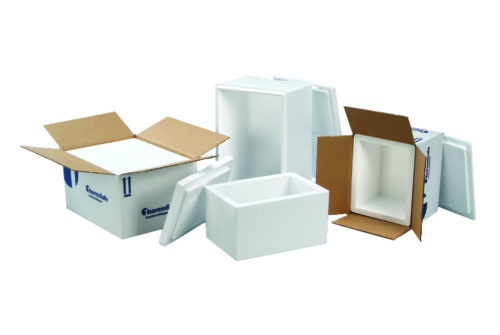
PUR (polyurethane) shippers are fast becoming the gold standard in thermal packaging. With growing requirements for temperature-sensitive transportation, manufacturers are turning to high-performance PUR insulation technologies to maintain product integrity from origin to destination. These containers are designed to ensure stable temperature maintenance throughout transit, making them essential in the global movement of vaccines, biologics, specialty medicines, and perishable foods.
The shift toward sustainability and reusability in logistics has further strengthened the market outlook. As companies align with eco-conscious shipping regulations, recyclable and reusable PUR shippers offer both cost efficiency and environmental benefits—making them increasingly attractive to logistics providers and pharmaceutical giants alike.
Established Leaders and Emerging Innovators
Prominent global manufacturers such as Sonoco Products Co., Topa Thermal Packaging BV, and Cryopak Industries Inc. continue to dominate the PUR shippers market through large-scale production capacity, cutting-edge R&D, and extensive global distribution networks. These Tier 1 players are leveraging their deep technical expertise to introduce high-performance, regulatory-compliant solutions that meet the growing expectations of pharmaceutical and food industries worldwide.
Meanwhile, Tier 2 and Tier 3 manufacturers, including Cold Chain Technologies, Tempack Packaging Solutions, Chill-Pak, Pelican BioThermal LLC, and Polar Tech Industries, are rapidly expanding their regional footprint. By focusing on localized production, strategic partnerships, and new material technologies, these companies are positioning themselves as key innovators driving the next phase of market transformation.
Regional Growth and Opportunities
Geographically, North America, Europe, and Asia-Pacific remain the primary growth engines of the PUR shippers market.
- North America continues to lead adoption due to strong cold chain infrastructure and high pharmaceutical exports.
- Europe, led by markets such as Germany, the UK, and Spain, is witnessing robust growth driven by increased investment in sustainable logistics.
- Asia-Pacific, particularly India (7.6% CAGR) and China (7.1% CAGR), is emerging as the fastest-growing region, propelled by booming pharmaceutical manufacturing and the expansion of temperature-controlled food supply chains.
In Canada, rising healthcare expenditure and a growing demand for medical exports from Ontario and Quebec are fueling adoption. The Canadian Institute for Health Information reports that national healthcare spending is expected to reach USD 357.5 billion in 2025, further strengthening demand for advanced cold-chain packaging solutions.
Meanwhile, Japan, with one of the world’s oldest populations, is driving increased pharmaceutical demand. Nearly one-third of its citizens are over 65, resulting in surging consumption of biologics and vaccines—creating opportunities for local PUR shipper manufacturers to cater to growing healthcare logistics needs.
Industry Drivers: Demand, Innovation, and Regulation
The ongoing transformation of global healthcare, biotechnology, and food logistics has made temperature-controlled shipping indispensable. Several key factors are accelerating market growth:
- Rising healthcare expenditure across emerging economies is boosting demand for reliable thermal packaging.
- The global biologics boom—alongside the post-pandemic focus on vaccine distribution—has intensified the need for compliant and efficient cold chain systems.
- E-commerce-driven fresh food delivery has expanded demand for durable, reusable PUR containers that preserve freshness during long-distance transit.
- Strict regulatory frameworks from agencies such as the FDA and EMA are prompting companies to adopt high-standard thermal packaging to ensure product safety and compliance.
However, challenges persist. The high cost of raw materials and production remains a restraint, especially for smaller manufacturers. Fluctuating polyurethane prices and complex production processes can raise costs, limiting affordability. Nonetheless, advancements in material efficiency and automation are gradually mitigating these concerns, paving the way for more accessible PUR-based solutions.
Market Dynamics and Semi-Annual Performance
According to the latest semi-annual analysis, the PUR shippers market maintains steady momentum. Between 2025 and 2035, the market is forecast to achieve a CAGR of 5.6% in H1 and 5.4% in H2, reflecting stable yet progressive expansion. While minor fluctuations in growth are observed due to raw material price variability, long-term demand fundamentals remain strong, supported by healthcare and food industry growth.
The historical period (2020–2025) recorded a healthy 6.5% CAGR, influenced significantly by global vaccine distribution during the COVID-19 pandemic. Even post-pandemic, sustained pharmaceutical innovation and the rise of biologics continue to drive consistent market demand.
Technological Advancements and Sustainability Focus
Technological progress in polyurethane materials is transforming how temperature-sensitive products are shipped globally. Modern PUR shippers now integrate IoT-enabled monitoring systems, enabling real-time temperature tracking and predictive maintenance to ensure maximum product safety.
Sustainability has also become a defining theme. Companies are investing heavily in developing eco-friendly PUR foams, recyclable insulation panels, and lightweight container designs that reduce carbon emissions without compromising performance.
Notably, industry leaders are taking decisive steps to align innovation with environmental goals:
- Sonoco Products Co. recently acquired Eviosys to expand its sustainable packaging portfolio.
- Topa Thermal Packaging BV won the BSMA 2025 Sustainability Award for its Connex OVERWRAP solution, which reduces CO₂ emissions by 30% and freight costs by 40%.
- Cryopak Industries Inc. partnered with M. Chasen & Son, Inc. to form Chasen Fiber Technologies, advancing eco-conscious insulation alternatives.
Unlock the Full Report for $5,000 | Special Deal Available Today!
https://www.futuremarketinsights.com/reports/sample/rep-gb-9121
Checkout Now to Access Industry Insights:
https://www.futuremarketinsights.com/checkout/9121
About Future Market Insights (FMI)
Future Market Insights, Inc. (ESOMAR certified, recipient of the Stevie Award, and a member of the Greater New York Chamber of Commerce) offers profound insights into the driving factors that are boosting demand in the market. FMI stands as the leading global provider of market intelligence, advisory services, consulting, and events for the Packaging, Food and Beverage, Consumer Technology, Healthcare, Industrial, and Chemicals markets. With a vast team of over 400 analysts worldwide, FMI provides global, regional, and local expertise on diverse domains and industry trends across more than 110 countries.
Contact Us:
Future Market Insights Inc.
Christiana Corporate, 200 Continental Drive,
Suite 401, Newark, Delaware – 19713, USA
T: +1-347-918-3531
For Sales Enquiries: sales@futuremarketinsights.com
Website: https://www.futuremarketinsights.com
LinkedIn| Twitter| Blogs | YouTube