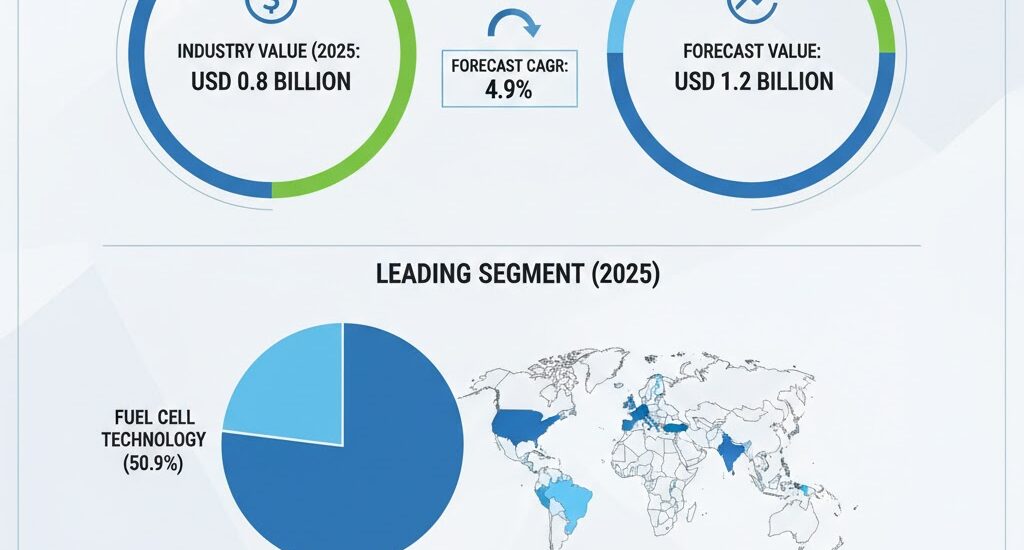
The global breath analyzer market is set to experience significant expansion, offering a wealth of opportunities for manufacturers. With a projected compound annual growth rate (CAGR) of 4.9% from 2025 to 2035, the market is expected to increase from an estimated USD 0.8 billion in 2025 to USD 1.2 billion by 2035. This growth is driven by increasing regulatory pressures, advancements in technology, and the expanding applications of breath analyzers beyond alcohol detection.
Growing Demand for Breath Analyzers Across Multiple Sectors
The breath analyzer market is currently experiencing an uptick in demand driven by public safety concerns, tighter alcohol consumption regulations, and the rapid pace of technological advancements. Breath analyzers, which were traditionally used in law enforcement for alcohol detection, are now making a significant impact in diverse sectors such as healthcare, transportation, and workplace safety.
According to industry reports, this shift is due in part to the growing awareness of alcohol-related fatalities on the roads and the increasing adoption of non-invasive diagnostic technologies. Breath analyzers are now being used not just for alcohol detection but also in medical diagnostics such as asthma detection and monitoring of tuberculosis. Additionally, the rise of workplace alcohol screening programs and stricter compliance regulations are expanding the scope of breath analyzer applications.
Key Drivers of Market Growth
Manufacturers are particularly well-positioned to benefit from several key factors fueling market growth:
- Technological Advancements: Innovations in sensor efficiency and miniaturization have made breath analyzers more reliable and user-friendly. Fuel cell technology, in particular, is expected to hold a dominant share of the market. Known for its superior accuracy, sensitivity, and reliability, fuel cell technology is preferred in law enforcement and clinical environments where precision is paramount.
- Public Safety and Regulatory Compliance: Governments worldwide are enacting stricter alcohol consumption regulations, leading to heightened demand for reliable alcohol detection devices. In countries like the United States and South Korea, concerns over impaired driving and drug abuse are motivating the widespread adoption of breath analyzers by law enforcement and transportation agencies.
- Medical Diagnostics and Healthcare: Breath analyzers are increasingly being adopted for non-invasive diagnostics in healthcare. Technologies capable of detecting conditions such as asthma, tuberculosis, and even blood clots are expected to expand the application of these devices, providing new revenue streams for manufacturers.
Fuel Cell Technology: The Dominant Market Leader
Fuel cell technology is forecast to account for more than 50% of the breath analyzer market revenue by 2025. This technology is the preferred choice in critical applications where accuracy is non-negotiable, such as roadside alcohol testing, workplace alcohol screening, and medical diagnostics.
Unlike semiconductor-based devices, which may be prone to interference from other compounds, fuel cell sensors specifically target alcohol molecules, minimizing false positives. This heightened level of accuracy has made fuel cell technology the gold standard for both law enforcement and healthcare professionals. Additionally, the development of compact and energy-efficient fuel cell modules has facilitated the integration of these sensors into portable, handheld devices—further driving market growth.
Alcohol Detection: The Market’s Cornerstone Application
The alcohol detection application remains the largest segment of the breath analyzer market, contributing to 40.1% of total revenue in 2025. The rise in alcohol-related road accidents, along with stricter penalties for drunk driving, has significantly increased the need for efficient and accurate breath analyzers. Law enforcement agencies around the world are increasingly relying on portable, evidential breath analyzers to enforce alcohol consumption regulations on the roads.
Further driving the demand for alcohol detection is the growth of workplace alcohol screening programs, particularly in industries where safety is a primary concern, such as construction, aviation, and transportation. As governments and industries push for greater safety measures, the demand for reliable alcohol testing solutions is expected to grow steadily.
Buy Now & Save: Premium Market Report at $5,000 | Discount Details Inside:- https://www.futuremarketinsights.com/reports/sample/rep-gb-1066
Expanding Global Market: Regional Insights
While the breath analyzer market is poised for growth in all regions, certain countries are expected to lead the charge. India, China, and South Korea are among the emerging markets seeing significant growth in breath analyzer adoption.
- India is experiencing a compound annual growth rate (CAGR) of 8.2%, driven by an increased focus on road safety and the expanding use of breath analyzers in healthcare for the detection of conditions like asthma and tuberculosis.
- China, with its tech-savvy population, is also seeing a surge in demand for personal and medical breath analyzers. The country’s growing middle class and higher disposable incomes are contributing to increased sales of these devices, particularly for alcohol detection and health monitoring.
- South Korea, grappling with rising drug abuse issues, is using breath analyzers not only for alcohol detection but also for drug testing, which is expected to support market growth in the region.
Meanwhile, in North America and Europe, where alcohol-related fatalities remain a major concern, the market is being driven by continued investment in public safety and healthcare innovation.
The Role of Law Enforcement Agencies
The law enforcement agencies segment is expected to account for 58.6% of the market revenue in 2025. With governments worldwide investing heavily in road safety and stricter alcohol consumption laws, law enforcement agencies are increasingly turning to advanced breath analyzers for roadside screening and evidential testing. This growing demand for reliable, portable breath analyzers positions manufacturers to expand their product offerings in this segment.
Opportunities for Manufacturers and Innovators
Manufacturers of breath analyzers have an unprecedented opportunity to capitalize on this growing market by investing in new technologies and innovative product offerings. The increasing convergence of breath analyzer technology with IoT, machine learning, and AI is opening new avenues for product development, offering more connected, real-time solutions for law enforcement, workplace safety, and healthcare monitoring.
Click Here to Purchase the Report:- https://www.futuremarketinsights.com/checkout/1066
About Future Market Insights (FMI)
Future Market Insights, Inc. (ESOMAR certified, recipient of the Stevie Award, and a member of the Greater New York Chamber of Commerce) offers profound insights into the driving factors that are boosting demand in the market. FMI stands as the leading global provider of market intelligence, advisory services, consulting, and events for the Packaging, Food and Beverage, Consumer Technology, Healthcare, Industrial, and Chemicals markets. With a vast team of over 400 analysts worldwide, FMI provides global, regional, and local expertise on diverse domains and industry trends across more than 110 countries.
Contact Us:
Future Market Insights Inc.
Christiana Corporate, 200 Continental Drive,
Suite 401, Newark, Delaware – 19713, USA
T: +1-347-918-3531
For Sales Enquiries: sales@futuremarketinsights.com
Website: https://www.futuremarketinsights.com
LinkedIn| Twitter| Blogs | YouTube