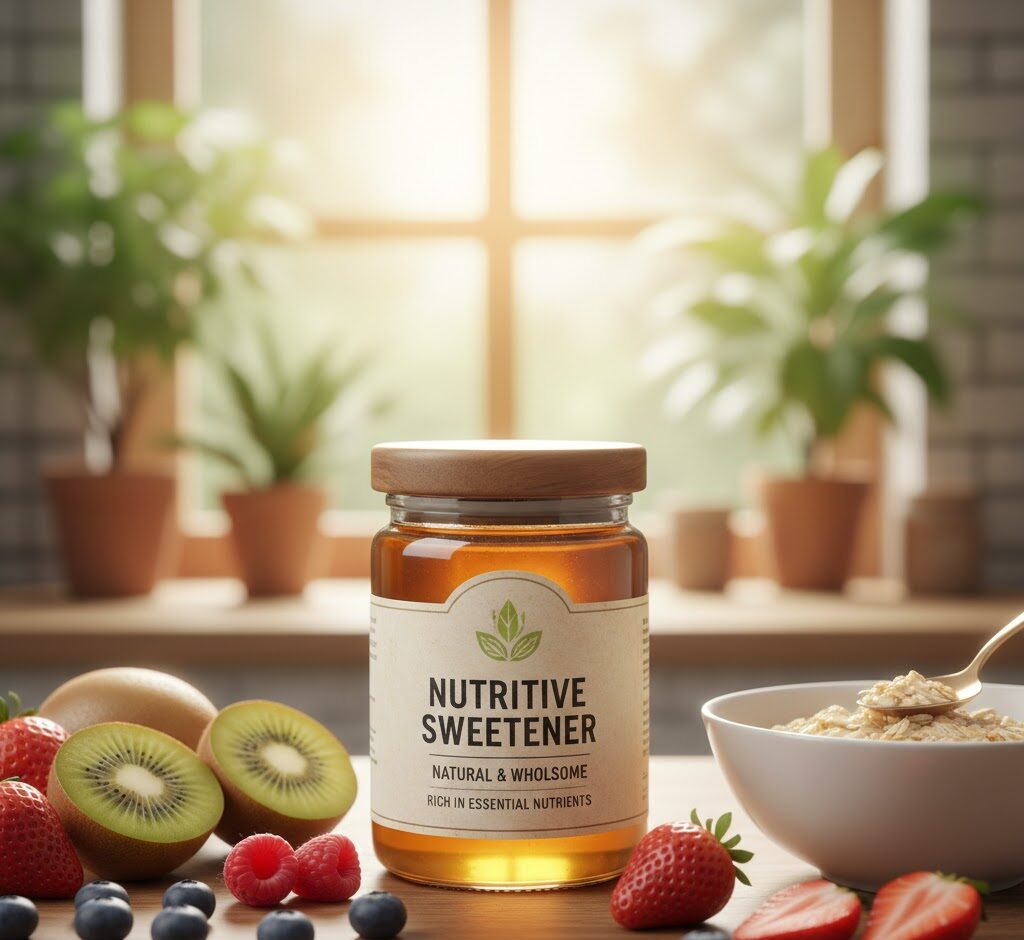
The global Nutritive Sweetener Market is projected to grow from USD 24.4 billion in 2025 to USD 37.5 billion by 2035, registering a CAGR of 4.40%. This USD 13.1 billion expansion highlights the sector’s transformation—from traditional sugar substitutes into functional, health-oriented, and technology-driven ingredients that align with evolving food and beverage innovation trends.
Rising consumer awareness about clean-label ingredients, metabolic wellness, and natural formulations is reshaping how manufacturers approach sweetener development. As food innovation continues to blend indulgence with health consciousness, nutritive sweeteners are becoming key enablers in the future of taste and nutrition.
Evolving Market Dynamics: Innovation Beyond Taste
The market is witnessing a strategic shift from calorie-heavy sweetening to functional and sustainable solutions. Early in the forecast period, producers are focusing on natural and organic formulations, ensuring reduced calorie density and improved metabolic response. Beverage, bakery, and dairy manufacturers are leading this transformation by adopting plant-derived and minimally processed sugars such as cane, beet, and honey-based variants.
By the latter half of the decade, innovation will increasingly center on specialty blends—mixing sucrose, glucose, and fructose for optimized sweetness, texture, and energy balance. Companies are expected to develop multi-functional sweetener systems compatible with clean-label formulations, functional beverages, and fortified foods.
Key Market Insights
- Market Value (2025): USD 24.4 Billion
- Market Value (2035): USD 37.5 Billion
- CAGR (2025–2035): 4.40%
- Leading Product Type: Fructose (38% market share)
- Fastest-Growing Segment: Organic sweeteners (6.8% CAGR)
- Top Growth Regions: Asia Pacific, North America, Europe
Key Segments of the Nutritive Sweetener Market
- By Product Type
- Fructose: Leading the market due to superior sweetness intensity and lower glycemic index.
- Sucrose: Maintains traditional dominance in bakery and household use.
- Corn Sugar: Offers cost-effective solutions for industrial and processed foods.
- Honey: Gains traction as a premium natural sweetener with antimicrobial benefits.
- High Fructose Corn Syrup (HFCS): Remains integral in beverage manufacturing despite growing clean-label preferences.
- By Nature
- Organic Sweeteners: Fastest growth due to clean-label and sustainability demand.
- Conventional Sweeteners: Hold majority share through established global supply chains.
- By End-Use
- Food Processing (42%) – Dominant revenue driver through large-scale industrial use.
- Beverages (28%) – Innovation hub for functional and low-calorie drinks.
- Household/Retail (15%) – Direct consumer access through packaged sweeteners.
- Bakery and Confectionery (10%) – Demand for texture, browning, and moisture control.
- Pharmaceuticals (5%) – Application in syrup bases and coating systems.
- By Distribution Channel
- Store-Based Retailing (55%) – Supermarkets and convenience stores dominate retail sales.
- Direct Sales (35%) – B2B bulk supply to beverage and food processors.
- Online/E-Commerce (10%) – Fastest-growing digital distribution channel.
- By Region
- Asia Pacific: Fastest growth (5.4% CAGR), driven by China and India’s expanding food and beverage industries.
- North America: Steady demand for functional and reformulated low-calorie foods.
- Europe: Consistent adoption through bakery and clean-label innovation.
- Latin America: Accelerating industrial and retail sweetener integration.
- Middle East & Africa: Emerging demand led by urbanization and rising disposable incomes.
Regional Outlook
- China (5.4% CAGR): Leads global growth through beverage reformulation, bakery innovation, and online retail expansion.
- India (5.1% CAGR): Strong domestic consumption across dairy desserts and festival confectionery.
- Germany (3.6% CAGR): Focused on precision formulation and clean-label integration.
- Brazil (4.2% CAGR): Balancing urban beverage innovation with regional confectionery trends.
- United States (3.2% CAGR): Diversified applications in RTD coffees, frozen desserts, and bakery mixes.
Key Market Trends
- Rise of Functional Sweeteners:
Hybrid blends combining nutritive and non-nutritive compounds optimize calorie control and taste. - Sustainable Sourcing and Traceability:
Companies invest in regenerative agriculture, blockchain traceability, and carbon footprint documentation. - Customization and Localization:
Manufacturers tailor sweetness profiles to regional preferences and specific processing needs. - Organic and Clean-Label Expansion:
Growing preference for USDA and EU-certified organic sweeteners with minimal processing. - Technological Advancements:
New extraction and crystallization techniques enhance purity, sensory stability, and product performance.
Competitive Landscape
The nutritive sweetener market features 50–80 active players globally, with the top 15 companies holding approximately 60% of total revenue. Established giants continue to lead through integrated supply chains and agricultural control, while new entrants are leveraging sustainability, niche innovation, and e-commerce strategies to capture emerging opportunities.
Prominent Players
- Tate & Lyle plc
- Cargill Inc.
- Showa Sangyo Co. Ltd.
- Japan Corn Starch Co. Ltd.
- COFCO International
- Archer Daniels Midland Company (ADM)
- Ingredion Incorporated
- Südzucker AG
- Tereos Group
- Associated British Foods plc
- Roquette Frères
- Wholesome Sweeteners Inc.
- Nordzucker AG
- Mitr Phol Sugar Corp.
These leaders are investing in blended sweetening systems, organic certifications, and clean-label compliance to meet reformulation demands from global food and beverage brands.
Meanwhile, new entrants and regional processors—particularly in India, China, and Brazil—are focusing on plant-based formulations, local sourcing partnerships, and heat-stable syrups for emerging beverage and bakery segments.
Strategic Imperatives for Stakeholders
- Invest in Clean-Label and Organic Formulations
- Expand certified portfolios (organic, non-GMO, fair trade).
- Partner with health-oriented brands for reformulation projects.
- Lead in Sustainability and Transparency
- Document environmental impact and sourcing origins.
- Implement regenerative agriculture partnerships.
- Enhance Technical Service and Application Development
- Offer customized sweetness profiles and shelf-life testing.
- Provide process compatibility solutions for industrial clients.
- Diversify Distribution Channels
- Strengthen B2B relationships and D2C e-commerce presence.
- Explore private label and co-packing collaborations.
This Report Now at Just $3500 | Limited-Time Discount Offer! https://www.futuremarketinsights.com/reports/sample/rep-gb-6809
Checkout Now to Access Industry Insights: https://www.futuremarketinsights.com/checkout/6809
About Future Market Insights (FMI)
Future Market Insights, Inc. (ESOMAR certified, recipient of the Stevie Award, and a member of the Greater New York Chamber of Commerce) offers profound insights into the driving factors that are boosting demand in the market. FMI stands as the leading global provider of market intelligence, advisory services, consulting, and events for the Packaging, Food and Beverage, Consumer Technology, Healthcare, Industrial, and Chemicals markets. With a vast team of over 400 analysts worldwide, FMI provides global, regional, and local expertise on diverse domains and industry trends across more than 110 countries.
Contact Us:
Future Market Insights Inc.
Christiana Corporate, 200 Continental Drive,
Suite 401, Newark, Delaware – 19713, USA
T: +1-347-918-3531
For Sales Enquiries: sales@futuremarketinsights.com
Website: https://www.futuremarketinsights.com
LinkedIn| Twitter| Blogs | YouTube