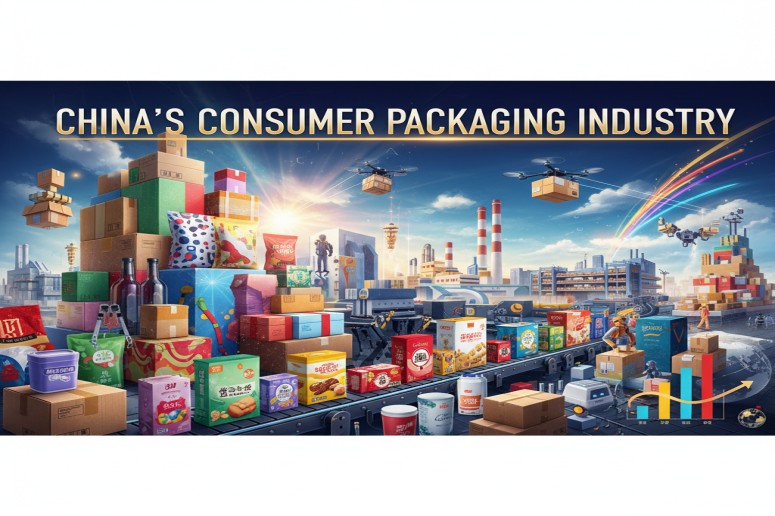
The consumer packaging industry in China is on the cusp of a major evolution, reflecting the nation’s rapid modernization, rising consumer expectations, and commitment to sustainability. Valued at USD 111.5 billion in 2025, the market is projected to reach USD 189.0 billion by 2035, registering a CAGR of 5.4%. As China strengthens its position as a global manufacturing hub, packaging producers are embracing automation, digitalization, and eco-friendly materials to align with both domestic and international sustainability goals.
Meaning and Scope of the Consumer Packaging Industry
Consumer packaging refers to materials and designs used to encase and protect products intended for end-user consumption — from food and beverages to cosmetics and pharmaceuticals. In China, this industry plays a pivotal role in enhancing product shelf appeal, ensuring safety during transportation, and maintaining freshness and hygiene standards. Packaging has evolved beyond mere protection; it now communicates brand identity, sustainability values, and convenience to an increasingly discerning consumer base.
Market Overview and Outlook (2025–2035)
By 2035, the Chinese consumer packaging market will almost double in value, powered by factors such as urbanization, expanding eCommerce, and premiumization across product categories. The rise of organized retail, online grocery platforms, and direct-to-consumer brands has intensified the need for high-performance, customizable, and visually engaging packaging solutions.
Market Segmentation Insights
By Packaging Format
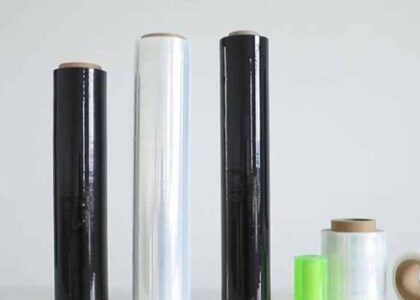
The flexible packaging segment dominates the Chinese market, accounting for nearly 68.4% of total share in 2025. Its rapid growth stems from lightweight design, reduced material usage, and cost-efficiency. Widely used in food, beverages, and personal care products, flexible packaging is favored for its convenience and versatility.
Moreover, innovations in film lamination, print quality, and recyclable composites are propelling its expansion across both premium and mass-market segments. With demand rising for on-the-go and portion-controlled packaging, flexible packaging is expected to maintain its leadership through 2035.
By Material
Plastics lead the material category with an estimated 57.3% share, driven by their flexibility, durability, and affordability. Despite mounting environmental pressures, plastics remain indispensable for protecting goods against moisture, contamination, and temperature variation.
China’s shift toward a circular economy is encouraging the adoption of bio-based, recycled, and lightweight polymers, signaling a move toward responsible production and consumption. Meanwhile, paper and aluminum-based packaging are gaining momentum as complementary eco-friendly alternatives.
By Technology
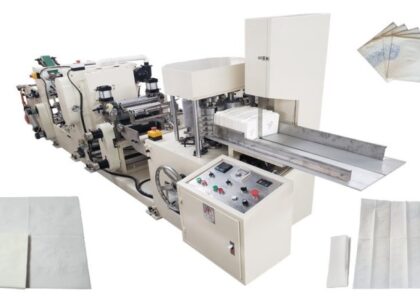
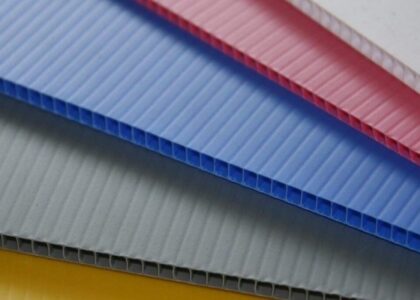
Extrusion technology accounts for approximately 39.6% of the market. Its scalability, material adaptability, and energy efficiency make it a cornerstone of large-scale packaging production in China. The process is widely used for producing films, laminates, and sheets, with continuous optimization enhancing quality, barrier performance, and recyclability.
By Level of Packaging
China’s market spans primary, secondary, and tertiary packaging, each addressing specific roles in protection, branding, and logistics. Primary packaging—directly interacting with the product—has seen strong innovation, particularly in food, beverage, and pharmaceutical applications.
Growth Drivers of the Consumer Packaging Industry Analysis in China
- E-Commerce Expansion: China’s digital retail ecosystem, led by platforms like Alibaba and JD.com, has fueled unprecedented demand for protective, tamper-proof, and lightweight packaging. With online sales contributing a growing share of consumer spending, packaging innovation is critical to ensuring product integrity and customer satisfaction.
- Rising Disposable Income and Urbanization: As middle-class consumers seek convenience and premium experiences, demand is surging for high-quality, attractively designed packaging across food, beverage, and personal care segments.
- Health and Safety Awareness: Post-pandemic consumer behavior emphasizes hygiene and product safety. This has accelerated the use of tamper-evident and antimicrobial packaging solutions.
- Sustainability Mandates: The Chinese government’s initiatives promoting recyclable and biodegradable packaging have spurred widespread adoption of sustainable materials and closed-loop systems.
- Growth of the Food & Beverage Sector: With packaged and ready-to-eat food gaining popularity, demand for innovative packaging that maintains freshness and extends shelf life continues to rise.
Emerging Consumption Trends
- On-the-Go Packaging: Urban lifestyles and smaller households have increased the preference for portable snack and meal formats.
- Sustainable Cosmetics Packaging: The beauty and personal care industry is adopting recyclable and refillable solutions to appeal to eco-conscious consumers.
- Pharmaceutical Transparency: Demand for secure, traceable packaging that provides safety and dosage information is growing rapidly.
- Smart and Connected Packaging: Integration of QR codes and NFC tags enables consumer engagement and product authentication.
- Home and Garden Products: As smart home adoption expands, durable and visually appealing packaging is gaining importance.
Competitive Landscape
China’s consumer packaging market is highly competitive, featuring global giants and domestic innovators alike. Key players include: Amcor Plc., Berry Global Company, Crown Holding, Stora Enso Oyj, Nine Dragons Papers, Shanghai Zijiang Holdings, 3M Company, Oji Holding Corp., CPMC Holdings Ltd., and Plastipak.
These companies are investing heavily in capacity expansion, automation, and sustainable material innovation to meet evolving consumer and regulatory expectations.
Grab This Report Now at Just $5,000 | Limited-Time Discount Offer!
https://www.futuremarketinsights.com/reports/sample/rep-gb-18921
Checkout Now to Access Market Forecasts:
https://www.futuremarketinsights.com/checkout/18921
Recent Developments
- June 2025: Dow and Procter & Gamble China launched an air capsule eCommerce packaging solution using recyclable PE resins to reduce waste.
- February 2025: Mars Wrigley China introduced its first fully recycled PET (rPET) chocolate canister, saving 36 tons of virgin plastic annually.
- December 2025: Amcor Plc. inaugurated a USD 100 million, 600,000 sq. ft. flexible packaging facility in Huizhou—China’s largest of its kind.
- November 2025: Nine Dragons Paper Holdings announced a capacity expansion to boost virgin carton board output by 5 million tons.
About Future Market Insights (FMI)
Future Market Insights, Inc. (ESOMAR certified, recipient of the Stevie Award, and a member of the Greater New York Chamber of Commerce) offers profound insights into the driving factors that are boosting demand in the market. FMI stands as the leading global provider of market intelligence, advisory services, consulting, and events for the Packaging, Food and Beverage, Consumer Technology, Healthcare, Industrial, and Chemicals markets. With a vast team of over 400 analysts worldwide, FMI provides global, regional, and local expertise on diverse domains and industry trends across more than 110 countries.
Contact Us:
Future Market Insights Inc.
Christiana Corporate, 200 Continental Drive,
Suite 401, Newark, Delaware – 19713, USA
T: +1-347-918-3531
For Sales Enquiries: sales@futuremarketinsights.com
Website: https://www.futuremarketinsights.com
LinkedIn| Twitter| Blogs | YouTube