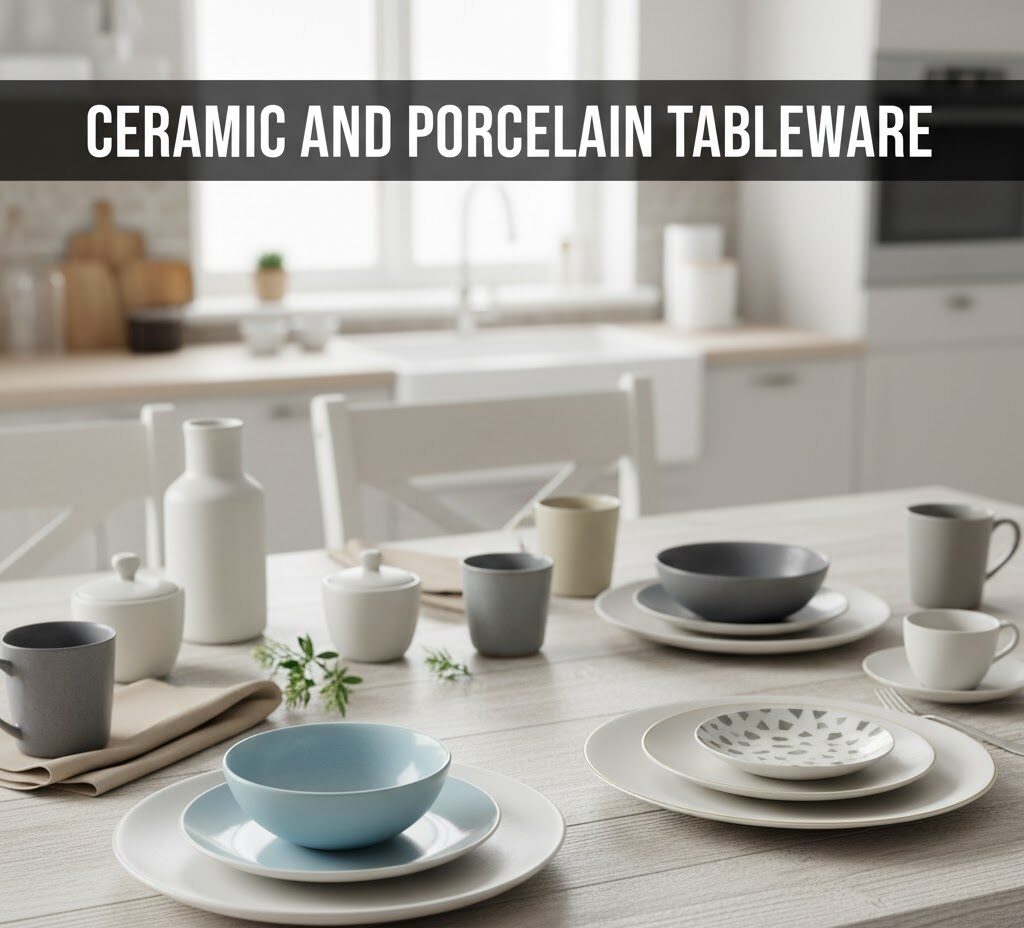
The Ceramic and Porcelain Tableware Market is projected to expand from USD 7.4 billion in 2025 to USD 11.3 billion by 2035, registering a steady CAGR of 4.3% during the forecast period. This growth is fueled by the rising consumer preference for premium, durable, and aesthetically refined tableware products in both residential and hospitality sectors.
With the dining experience becoming a core element of modern lifestyle and hospitality culture, ceramic and porcelain tableware continues to be a symbol of elegance, tradition, and craftsmanship. The industry’s evolution is marked by technological innovation, eco-friendly manufacturing, and a surge in e-commerce-driven accessibility.
Market Overview: Blending Tradition with Modern Design
The ceramic and porcelain tableware market is experiencing robust growth, backed by lifestyle transformations, the revival of fine dining, and an increasing inclination toward home aesthetics. As more consumers invest in stylish and sustainable dining solutions, manufacturers are responding with handcrafted, customizable, and energy-efficient tableware.
From porcelain dinnerware’s classic appeal to contemporary ceramic designs, the sector is being redefined by innovation. Leading producers are embracing smart production technologies, digital glazing, and sustainable kilns to meet evolving consumer expectations.
Quick Market Statistics
- Market Size (2025): USD 7.4 billion
- Forecast Value (2035): USD 11.3 billion
- CAGR (2025–2035): 4.3%
- Leading Material Segment: Porcelain (38.0%)
- Top Growth Regions: North America, Asia-Pacific, Europe
- Major Companies: Villeroy & Boch AG, Fiskars Group, Noritake Co. Ltd, RAK Ceramics PJSC, Lifetime Brands Inc., Lenox Corporation, Rosenthal GmbH, Churchill China (UK) Ltd, Richard Ginori S.r.l, Tognana Porcellane S.p.A.
Key Segments of the Ceramic and Porcelain Tableware Market
- By Material
- Porcelain (38.0% Market Share):
Known for its strength, translucency, and luxurious finish, porcelain continues to dominate the tableware landscape. Its thermal resistance and durability make it ideal for fine dining and hospitality applications. Modern manufacturing has improved both its quality and sustainability, keeping porcelain at the forefront of premium tableware. - Bone China (CAGR 4.3%):
Combining durability with delicate aesthetics, bone china remains a consumer favorite. Its blend of elegance and resilience makes it suitable for both daily use and formal dining. - Stoneware and Others:
Offering rustic charm and heat resistance, stoneware is gaining popularity among consumers seeking artisanal and natural design aesthetics.
- By Technology
- Slip Casting (51.2% Market Share):
Dominating the technology segment, slip casting allows precise, intricate designs while maintaining uniform quality. Its adaptability to mass and artisanal production makes it the preferred technique among both established brands and emerging manufacturers. - Pressure and Isostatic Casting:
These technologies are advancing efficiency and material consistency, enabling large-scale production with reduced waste.
- By Product Type
- Dinnerware (44.0% Market Share):
The dinnerware segment leads the product category, driven by growing household replacement demand, fine dining experiences, and hospitality expansion. Seasonal design updates and celebrity-endorsed collections have amplified consumer interest. - Beverage Ware & Cookware:
The rising café culture and home cooking trends are driving demand for aesthetic beverage ware and durable cookware.
- By Distribution Channel
- Supermarkets & Hypermarkets remain major sales contributors due to product visibility.
- Online Retail is rapidly growing, offering consumers easy access to designer and artisanal collections globally.
- Wholesalers & Retailers continue to play a key role in supplying the hospitality sector.
- By Region
- North America: Driven by lifestyle trends emphasizing versatility and premium dining.
- Europe: Focused on sustainability and eco-friendly tableware innovations.
- Asia-Pacific: Dominated by countries like China, Japan, and South Korea, showcasing strong cultural craftsmanship and modern production advancements.
Regional Insights
- United States (CAGR 4.8%): Premiumization drives growth, supported by e-commerce and designer brand expansion.
- United Kingdom (CAGR 5.7%): Sustainability initiatives and eco-conscious consumers lead market transformation.
- China (CAGR 4.9%): Deep-rooted porcelain traditions and rising middle-class incomes stimulate demand.
- Japan (CAGR 6.1%): Fusion of heritage craftsmanship and modern minimalist aesthetics enhances exports.
- South Korea (CAGR 6.4%): Growing consumer focus on personalized, high-quality, eco-friendly tableware.
Key Market Trends
- Sustainable Production Takes Center Stage
Manufacturers are adopting renewable raw materials, energy-efficient kilns, and eco-friendly packaging to align with global sustainability goals. - Customization and Artisanal Appeal
Handcrafted and limited-edition tableware is seeing growing demand, blending cultural artistry with modern appeal. - Digital Commerce Expansion
Online sales are surging, with brands leveraging digital platforms to reach global consumers and showcase new collections. - Focus on Hygiene and Food Safety
Post-pandemic consumer priorities have led to innovations in antimicrobial glazes and easy-clean surfaces. - Technological Integration in Manufacturing
Smart production systems, automated glazing, and digital design tools are helping companies achieve consistent quality and faster turnaround times.
Challenges and Restraints
Despite strong growth prospects, the market faces challenges such as competition from alternative materials (glass, stainless steel, melamine), rising production costs, and counterfeit products. To stay competitive, brands are focusing on innovation, quality assurance, and sustainability initiatives.
Emerging and Established Players: Innovating for the Future
Both long-established brands and new entrants are reshaping the ceramic and porcelain tableware landscape through strategic partnerships, digital transformation, and sustainability-focused investments.
- RAK Ceramics PJSC has announced a major AED 4.5 million investment in next-gen digital glazing, recycling initiatives, and electric vehicle integration for logistics.
- Villeroy & Boch AG and Rosenthal GmbH are enhancing digital retail experiences and sustainable product portfolios.
- Fiskars Group and Noritake Co., Ltd. are expanding premium product lines across Asia-Pacific and Europe.
- Emerging manufacturers are utilizing 3D printing and automated slip casting to create affordable, high-quality designs for mass markets.
Future Outlook (2025–2035)
The ceramic and porcelain tableware market is set for a decade of sustained expansion. As consumers embrace eco-luxury, personalized design, and technological innovation, the market will witness increased collaborations between artisans, designers, and digital manufacturers.
Brands investing in sustainability, e-commerce integration, and smart manufacturing are expected to capture the lion’s share of growth. With cultural heritage meeting modern design, the industry’s future lies in balancing tradition with technology.
This Report Now at Just $2000 | Limited-Time Discount Offer! https://www.futuremarketinsights.com/reports/sample/rep-gb-18923
Checkout Now to Access Industry Insights: https://www.futuremarketinsights.com/checkout/18923
About Future Market Insights (FMI)
Future Market Insights, Inc. (ESOMAR certified, recipient of the Stevie Award, and a member of the Greater New York Chamber of Commerce) offers profound insights into the driving factors that are boosting demand in the market. FMI stands as the leading global provider of market intelligence, advisory services, consulting, and events for the Packaging, Food and Beverage, Consumer Technology, Healthcare, Industrial, and Chemicals markets. With a vast team of over 400 analysts worldwide, FMI provides global, regional, and local expertise on diverse domains and industry trends across more than 110 countries.
Contact Us:
Future Market Insights Inc.
Christiana Corporate, 200 Continental Drive,
Suite 401, Newark, Delaware – 19713, USA
T: +1-347-918-3531
For Sales Enquiries: sales@futuremarketinsights.com
Website: https://www.futuremarketinsights.com
LinkedIn| Twitter| Blogs | YouTube