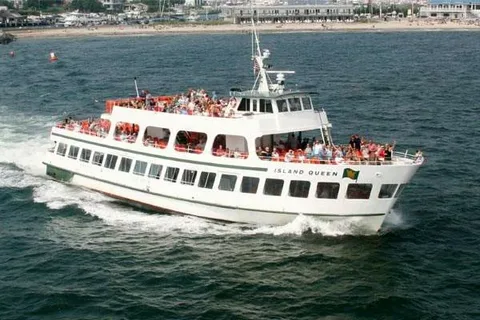
The passenger ferries market is estimated to be valued at USD 16.2 billion in 2025 and is projected to reach USD 29.7 billion by 2035, registering a compound annual growth rate (CAGR) of 6.2% over the forecast period. Growth is driven by increasing urban waterway transport, rising tourism and coastal travel, and the expansion of ferry infrastructure in Europe, the Asia Pacific, and North America. Environmental regulations and fuel efficiency standards are pushing the adoption of electric and hybrid ferries, while advancements in hull design and onboard technology enhance passenger experience and operational efficiency.
The Global Passenger Ferries Market is witnessing robust growth, fueled by increasing demand for coastal and inter-island transport, the rise of maritime tourism, and the adoption of eco-friendly vessel technologies. Passenger ferries serve as a vital component of public transportation networks, tourism industries, and regional connectivity, especially in island nations and coastal cities.
As governments and private operators invest in modernizing fleets and adopting sustainable propulsion systems, the market is poised for steady growth through 2035, with a strong emphasis on energy efficiency, passenger comfort, and environmental compliance.
Market Overview
Passenger ferries play a crucial role in connecting communities, boosting tourism, and facilitating daily commutes in urban and regional waterways. The market encompasses various vessel types, including catamarans, roll-on/roll-off ferries (Ro-Pax), hydrofoils, and electric ferries, catering to diverse passenger and cargo needs.
Growing concerns over carbon emissions and fuel costs have accelerated the transition toward hybrid and electric ferries, supported by regulatory frameworks promoting green maritime operations. Additionally, increased demand for luxury ferry experiences and high-speed marine transport is shaping market innovation.
Market Dynamics
- Rising Maritime Tourism and Coastal Mobility
Growing interest in island tourism, cruise excursions, and coastal transportation is driving ferry fleet expansions and route developments worldwide. - Urban Water Transport Initiatives
Major cities are integrating ferries into public transport systems to reduce road congestion and promote sustainable mobility options. - Adoption of Green and Hybrid Technologies
The introduction of electric, LNG-powered, and hybrid propulsion systems is transforming the industry, reducing emissions and operational costs. - Infrastructure Investments
Governments and port authorities are upgrading terminals, docks, and passenger handling facilities to support larger and more advanced ferry fleets. - Safety and Comfort Enhancements
Modern passenger ferries now incorporate advanced navigation systems, safety measures, and luxury amenities to enhance passenger experiences.
Key Applications
- Public Transportation: Urban and regional ferry services connecting cities and suburbs.
- Tourism and Leisure: Cruise ferries and sightseeing vessels supporting marine tourism.
- Island Connectivity: Essential transport between islands in archipelagic nations.
- Vehicle and Passenger Transport (Ro-Pax): Combined transport of vehicles and people.
- Commercial Operations: Crew and passenger transfers in offshore industries.
Regional Insights
- Europe: Leading the market with advanced ferry infrastructure in Norway, Italy, and Greece, and strong adoption of green maritime technologies.
- Asia-Pacific: Rapid growth driven by tourism in Indonesia, Japan, South Korea, and the Philippines, along with rising demand for commuter ferries.
- North America: Increasing focus on eco-friendly ferries and water-based transit systems in the U.S. and Canada.
- Middle East & Africa: Emerging routes in coastal cities and archipelagic nations support regional mobility and tourism.
Competitive Landscape
Prominent players in the Passenger Ferries Market include Damen Shipyards Group, Austal Ltd., Incat Crowther, Meyer Werft GmbH, Fjellstrand AS, Catana Group, and VARD Holdings.
These companies focus on vessel electrification, lightweight materials, hydrodynamic design, and passenger comfort enhancements. Partnerships with maritime authorities, tourism operators, and shipbuilders are driving innovations in fuel efficiency, automation, and safety systems.
Future Outlook
The Passenger Ferries Market is projected to grow steadily through 2035, supported by urbanization, increased tourism, and the maritime industry’s sustainability goals. Advancements in electric propulsion, autonomous navigation, and smart fleet management systems will further revolutionize the sector.
Companies investing in green shipbuilding, renewable fuel technologies, and digital operations will be well-positioned to capitalize on the next wave of maritime mobility solutions.
Get Instant Access for Only $5000 | Don’t Miss This Exclusive Offer!
https://www.futuremarketinsights.com/reports/sample/rep-gb-25931
Checkout Now to Access Industry Insights:
https://www.futuremarketinsights.com/checkout/25931
About Future Market Insights (FMI)
Future Market Insights, Inc. (ESOMAR certified, recipient of the Stevie Award, and a member of the Greater New York Chamber of Commerce) offers profound insights into the driving factors that are boosting demand in the market. FMI stands as the leading global provider of market intelligence, advisory services, consulting, and events for the Packaging, Food and Beverage, Consumer Technology, Healthcare, Industrial, and Chemicals markets. With a vast team of 400 analysts worldwide, FMI provides global, regional, and local expertise on diverse domains and industry trends across more than 110 countries.
Contact Us:
Future Market Insights Inc.
Christiana Corporate, 200 Continental Drive,
Suite 401, Newark, Delaware – 19713, USA
T: +1-845-579-5705
For Sales Enquiries: sales@futuremarketinsights.com
Website: https://www.futuremarketinsights.com
LinkedIn| Twitter| Blogs | YouTube