The European vegan protein bars market is on the cusp of a remarkable expansion, projected to surge from USD 189.0 million in 2025 to USD 980.8 million by 2035, reflecting a robust compound annual growth rate (CAGR) of 17.9%, according to the latest market insights. This surge underscores the accelerating consumer shift toward plant-based nutrition, increasing fitness consciousness, and rising demand for convenient, clean-label snacking solutions across Europe.
Over the next decade, EU vegan protein bars are expected to grow by nearly five times, with total sales reaching an estimated USD 980.8 million by 2035. Early growth between 2025 and 2030 will account for USD 233.4 million of this expansion, driven by greater adoption of plant-based protein, wider availability of diverse formulations, and increasing mainstream acceptance through both retail and e-commerce channels. In the latter half of the forecast period, from 2030 to 2035, sales are set to accelerate further, adding USD 555 million, propelled by advanced ingredient technologies, online retail expansion, and specialized formulations catering to athletes and niche dietary requirements.
Get this Report at $3500 | Exclusive Discount Inside! https://www.futuremarketinsights.com/reports/sample/rep-gb-27082
Market Dynamics and Key Drivers
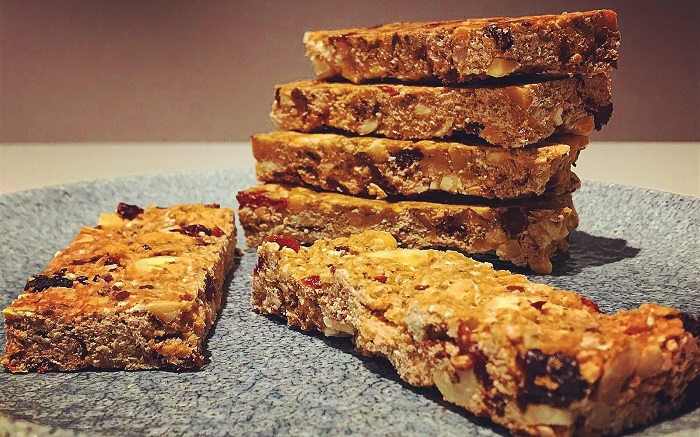
The EU vegan protein bars industry is riding the wave of rising flexitarian, vegetarian, and vegan populations, who are seeking sustainable, ethical, and health-conscious protein sources. Modern consumers increasingly rely on vegan protein bars for post-workout recovery, meal replacements, or on-the-go nutrition. Beyond convenience, these products must meet or exceed conventional protein bars in functional properties, nutritional value, and taste.
Environmental awareness also plays a critical role. Growing recognition of the ecological impact of animal agriculture and a commitment to ethical sourcing have heightened demand for certified organic, sustainable plant-based products. Regulatory frameworks are evolving to ensure product labeling, nutritional fortification, and quality standards align with consumer expectations. Scientific evidence supporting plant-based protein benefits further drives innovation in amino acid profiles, digestibility, and bioavailability.
Product and Application Highlights
Among product types, soy-based bars dominate the European market, accounting for 30% of sales in 2025. Their mature supply chains, comprehensive amino acid profile, and consumer familiarity make them the preferred choice for athletes, fitness enthusiasts, and general wellness consumers. Meanwhile, pea, nut-based, hemp, and other emerging proteins complement soy, offering diversified options for health-conscious buyers.
In terms of application, fitness and sports nutrition remain the primary driver, representing 40% of total demand. Vegan protein bars are increasingly seen as performance nutrition, with formulations optimized for pre- and post-workout supplementation, enhanced amino acid profiles, and functional ingredients like BCAAs and adaptogens.
Distribution Channels and Organic Positioning
Supermarkets and hypermarkets dominate distribution, controlling 45% of total sales in 2025, thanks to mainstream visibility, extensive product selection, and convenient access. Online retail and specialty stores are growing proportionally, fueled by digital-first startups and direct-to-consumer strategies. Organic bars account for 59.4% of sales, reflecting consumers’ preference for ethically sourced, non-GMO, and clean-label ingredients, which drive both brand trust and premium positioning.
Innovation and Technology in Focus
Both established and emerging manufacturers are investing in innovative technologies to enhance taste, texture, and nutritional profiles. Clean-label initiatives, functional ingredient integration, and sustainable packaging solutions are central to this growth. Companies are leveraging compostable wrappers, recycled materials, and biodegradable films to align product offerings with environmental values. Personalized nutrition formulations targeting keto, low-sugar, high-fiber, and performance-optimized profiles are enabling differentiation and commanding premium pricing.
Competitive Landscape
The European vegan protein bars market is highly dynamic, featuring established players and new entrants pursuing expansion. Leading brands include Clif Bar & Company, RXBAR (Kellogg’s), No Cow, and Orgain. Clif Bar & Company holds a 14% market share, benefiting from its strong retail presence and clean-label positioning. RXBAR captures 12%, emphasizing whole-food protein transparency, while No Cow secures 10% through digital-first, specialized marketing strategies. Orgain maintains an 8% share, leveraging functional nutrition and organic certification to appeal to health-conscious consumers. Regional brands and private-label suppliers collectively represent 56% of the market, offering opportunities for innovation in protein sources, flavor profiles, and functional benefits.
Regional Outlook
Spain leads growth at a 20% CAGR, fueled by fitness culture, tourism exposure, and retail expansion. The Netherlands follows at 19%, supported by sustainability leadership and premium organic positioning. Italy posts 18.5% CAGR, driven by health-conscious urban populations and sports nutrition channel growth. Germany remains the largest market with a 22% share in 2025, underpinned by mature vegan infrastructure, while France grows at 17% CAGR through rising fitness adoption and urban wellness trends.
Get Your PDF Brochure – https://www.futuremarketinsights.com/reports/brochure/rep-gb-27082
Conclusion
With robust growth projected across all major European markets, the vegan protein bars sector presents significant opportunities for both established companies and innovative startups. Investment in product innovation, clean-label solutions, sustainable packaging, and specialized formulations will be key to capturing the evolving preferences of health-conscious and environmentally aware European consumers. The next decade promises a transformative period for the industry, driven by technology, nutrition science, and lifestyle-driven demand.
About Future Market Insights (FMI)
Future Market Insights, Inc. (ESOMAR certified, recipient of the Stevie Award, and a member of the Greater New York Chamber of Commerce) offers profound insights into the driving factors that are boosting demand in the market. FMI stands as the leading global provider of market intelligence, advisory services, consulting, and events for the Packaging, Food and Beverage, Consumer Technology, Healthcare, Industrial, and Chemicals markets. With a vast team of over 400 analysts worldwide, FMI provides global, regional, and local expertise on diverse domains and industry trends across more than 110 countries.
Contact Us:
Future Market Insights Inc.
Christiana Corporate, 200 Continental Drive,
Suite 401, Newark, Delaware – 19713, USA
T: +1-347-918-3531
For Sales Enquiries: sales@futuremarketinsights.com
Website: https://www.futuremarketinsights.com
LinkedIn| Twitter| Blogs | YouTube