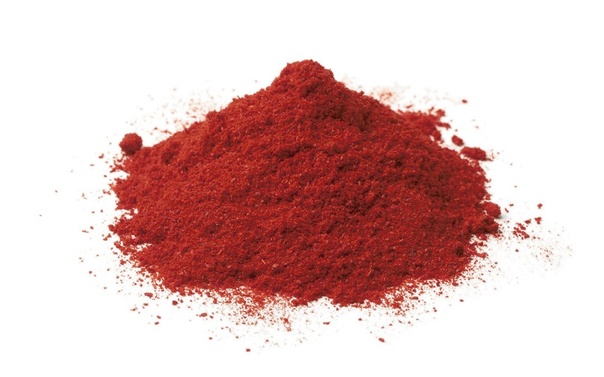
The demand for astaxanthin in the European Union is set for robust expansion, according to the latest report titled “Demand for Astaxanthin in the EU: Outlook and Forecast (2025–2035)”. The market is estimated to rise from USD 50.8 million in 2025 to USD 123.6 million by 2035, representing an impressive CAGR of 9.3% over the forecast period. The report highlights that Haematococcus pluvialis, the leading natural source of astaxanthin, will dominate production with a 70% share in 2025, while aquaculture will remain the largest application segment, accounting for 45% of total demand.
Get this Report at $3500 | Exclusive Discount Inside! https://www.futuremarketinsights.com/reports/sample/rep-gb-27079
Rising Demand for Natural Antioxidants Fuels Industry Expansion
Astaxanthin’s growing reputation as one of the most powerful natural antioxidants is shaping the future of European health, beauty, and nutrition industries. Consumers across the continent are turning toward natural and clean-label ingredients, spurring demand for astaxanthin-based dietary supplements, functional foods, and cosmetics. This growth is further reinforced by clinical research validating the compound’s benefits for cardiovascular health, eye function, skin protection, and anti-aging.
Between 2025 and 2030, the EU astaxanthin market is projected to rise from USD 50.8 million to USD 79.1 million, contributing nearly 39% of the decade’s total growth. From 2030 to 2035, momentum will accelerate further as technological advancements in microalgae cultivation and fermentation drive cost reductions and expand accessibility.
Technology and Innovation: A Competitive Differentiator
New and established manufacturers are embracing advanced photobioreactor systems, LED lighting optimization, and automated harvesting to improve productivity and reduce costs associated with natural astaxanthin production. These developments are critical in making biologically extracted astaxanthin more cost-competitive against synthetic alternatives.
Companies are also investing in beauty-from-within and functional food innovations, integrating astaxanthin into ingestible beauty supplements and fortified beverages. This evolution marks a shift from traditional aquaculture and supplement applications to a broader consumer wellness portfolio. For instance, several European nutraceutical and cosmetics brands are formulating dual-action products that target both internal wellness and visible skin benefits, reflecting the growing convergence of health and beauty industries.
Clean Label, Sustainability, and Traceability Lead Market Priorities
Sustainability is emerging as a defining trend shaping future competitiveness in the EU astaxanthin market. Natural astaxanthin derived from microalgae cultivation is increasingly preferred over synthetic or krill-based sources due to its lower environmental footprint. This aligns with Europe’s strong sustainability goals and consumer expectations for traceable, eco-friendly production.
Producers are partnering with aquaculture operators to meet sustainability certification requirements such as ASC (Aquaculture Stewardship Council) and organic aquaculture standards. With environmental responsibility now a key purchasing criterion, manufacturers focusing on carbon footprint reduction and transparent sourcing are gaining long-term strategic advantages.
Regional Highlights: Diverse Growth Across Europe
The demand for astaxanthin varies significantly across European economies:
- Germany (6.2% CAGR) leads in supplement adoption due to its strong nutraceutical infrastructure and consumer trust in evidence-based natural products.
- France (6.0% CAGR) benefits from its global cosmetics industry and the rising popularity of beauty-from-within trends.
- Italy (7.0% CAGR) combines growing supplement use with Mediterranean aquaculture demand.
- Spain (8.5% CAGR) maintains momentum through aquaculture feed applications and emerging consumer supplement markets.
- The Netherlands (9.8% CAGR) stands out as a biotechnology hub, spearheading innovations in algal cultivation and feed formulations.
Together, these countries represent the backbone of Europe’s astaxanthin expansion, each leveraging its unique industrial and consumer ecosystem to drive innovation and growth.
Segmental Insights: Haematococcus and Natural Extraction Lead the Way
- By Product Type: Haematococcus pluvialis remains the top source organism with a 70% share in 2025, expected to grow to 76% by 2035, due to its superior natural concentration and proven health efficacy.
- By Application: Aquaculture retains a leading 45% share, while dietary supplements and cosmetics are set to grow faster as consumers seek bioavailable antioxidants for health and beauty.
- By Nature: Natural extraction methods (algal and yeast-based) hold a 51% share in 2025, anticipated to reach 62% by 2035, supported by regulatory trends and consumer preference for clean-label, naturally derived products.
Competitive Landscape: Established Leaders and Emerging Innovators
The European astaxanthin industry features a mix of global leaders and emerging biotechnology players. Key participants include BASF SE, leveraging its large-scale manufacturing and diverse carotenoid portfolio; Cyanotech Corporation, recognized for its premium BioAstin brand sourced from natural microalgae; AstaReal/Algalif, noted for its Icelandic production and clinical validation; and DSM N.V., integrating astaxanthin into its nutrition and aquaculture divisions.
At the same time, regional producers and biotech startups across Europe are emerging as pivotal players, developing specialized photobioreactor systems and fermentation-based processes to deliver high-quality, cost-efficient, and sustainable natural astaxanthin. These companies are forming strategic partnerships with aquaculture feed producers, nutraceutical brands, and cosmetics manufacturers to co-develop next-generation formulations catering to a sustainability-driven market.
Get Your PDF Brochure – https://www.futuremarketinsights.com/reports/brochure/rep-gb-27079
Outlook: A Bright Decade Ahead
By 2035, the European astaxanthin market will have expanded 2.4 times its 2025 size, reflecting growing consumer awareness, technological innovation, and the steady transition toward natural bioactive ingredients. As both established and new entrants continue to enhance their production capabilities and expand applications, astaxanthin is positioned to become one of Europe’s most dynamic natural ingredient markets—bridging health, beauty, and sustainability in one transformative ingredient.
About Future Market Insights (FMI)
Future Market Insights, Inc. (ESOMAR certified, recipient of the Stevie Award, and a member of the Greater New York Chamber of Commerce) offers profound insights into the driving factors that are boosting demand in the market. FMI stands as the leading global provider of market intelligence, advisory services, consulting, and events for the Packaging, Food and Beverage, Consumer Technology, Healthcare, Industrial, and Chemicals markets. With a vast team of over 400 analysts worldwide, FMI provides global, regional, and local expertise on diverse domains and industry trends across more than 110 countries.
Contact Us:
Future Market Insights Inc.
Christiana Corporate, 200 Continental Drive,
Suite 401, Newark, Delaware – 19713, USA
T: +1-347-918-3531
For Sales Enquiries: sales@futuremarketinsights.com
Website: https://www.futuremarketinsights.com
LinkedIn| Twitter| Blogs | YouTube