The anti-microbial edible packaging market is valued at USD 1.1 billion in 2025 and is predicted to reach USD 3.8 billion by 2035, resulting in a total increase of USD 2.7 billion over the forecast decade. This represents a 245.5% total expansion, with the market advancing at a compound annual growth rate (CAGR) of 13.5%. Over ten years, the market grows by a 3.5 multiple.
The Global Anti-Microbial Edible Packaging Market is gaining significant traction as the food industry embraces sustainable, safe, and biodegradable packaging alternatives. This emerging technology combines natural edible films with anti-microbial agents to extend shelf life, prevent contamination, and reduce plastic waste — addressing growing consumer and regulatory demands for eco-friendly packaging.
Market Overview
Anti-microbial edible packaging represents a major innovation in the food packaging sector, integrating food-grade materials like polysaccharides, proteins, and lipids with natural preservatives such as essential oils, organic acids, and plant extracts. These materials form protective coatings or films that can be consumed along with the product, reducing both food spoilage and plastic pollution.
With the global focus on sustainability, food safety, and circular economy principles, manufacturers are investing in R&D to develop cost-effective and scalable edible packaging solutions. The rising awareness of single-use plastic bans, coupled with increased adoption in bakery, dairy, and meat products, is fueling market growth worldwide.
Market Dynamics
- Rising Concern Over Plastic Waste
Stringent regulations on plastic use and increasing consumer preference for eco-friendly alternatives are driving the adoption of anti-microbial edible packaging. These solutions align with global sustainability goals by reducing non-biodegradable waste and carbon footprint. - Enhanced Food Safety and Shelf Life
Anti-microbial components in edible films inhibit the growth of bacteria, molds, and yeasts, significantly extending product shelf life. This innovation is particularly beneficial for perishable items such as fresh produce, dairy products, and ready-to-eat meals. - Innovation in Natural and Functional Ingredients
Researchers and manufacturers are incorporating natural preservatives like chitosan, cinnamon oil, clove extract, and nisin, which not only enhance microbial resistance but also maintain nutritional integrity and flavor stability. - Expanding Food Industry Applications
The technology is gaining adoption across multiple food segments, including bakery, confectionery, dairy, meat, and fruits & vegetables. Additionally, beverage manufacturers are exploring edible coatings for extended freshness and reduced contamination.
Key Applications
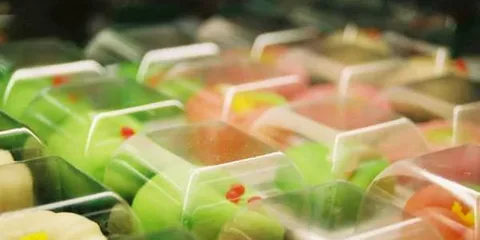
- Bakery & Confectionery: Edible coatings on pastries, chocolates, and sweets to preserve texture and freshness
- Dairy Products: Packaging for cheese, butter, and yogurt to enhance microbial safety
- Meat & Seafood: Anti-microbial films prevent spoilage and extend cold chain life
- Fruits & Vegetables: Natural edible coatings to slow ripening and reduce moisture loss
Regional Insights
- North America: Leading adoption driven by technological advancements and strong regulatory push for sustainable packaging.
- Europe: Growth supported by strict EU plastic regulations and demand for eco-friendly food packaging solutions.
- Asia-Pacific: Emerging as a high-growth region due to expanding food processing industries, increasing disposable income, and supportive government initiatives in countries like Japan, China, and India.
- Latin America & MEA: Gradual adoption supported by growing awareness of food waste reduction and sustainability.
Competitive Landscape
Key players in the global anti-microbial edible packaging market include TIPA Corp, WikiCell Designs, MonoSol LLC, JRF Technology LLC, Notpla Ltd., and Lactips. These companies are focusing on natural ingredient integration, material innovation, and strategic collaborations with food manufacturers to develop next-generation edible coatings and films.
Future Outlook
The Global Anti-Microbial Edible Packaging Market is expected to grow rapidly through 2035, supported by increasing demand for sustainable packaging, government initiatives to curb plastic waste, and technological advancements in bio-based materials. The convergence of food safety, environmental stewardship, and consumer health consciousness will continue to shape the market’s future.
As the food industry transitions toward eco-conscious and waste-free packaging, anti-microbial edible packaging stands out as a transformative solution — promoting sustainability without compromising quality, safety, or convenience.
Get Instant Access for Only $5000 | Don’t Miss This Exclusive Offer!
https://www.futuremarketinsights.com/reports/sample/rep-gb-24992
Checkout Now to Access Industry Insights:
https://www.futuremarketinsights.com/checkout/24992
About Future Market Insights (FMI)
Future Market Insights, Inc. (ESOMAR certified, recipient of the Stevie Award, and a member of the Greater New York Chamber of Commerce) offers profound insights into the driving factors that are boosting demand in the market. FMI stands as the leading global provider of market intelligence, advisory services, consulting, and events for the Packaging, Food and Beverage, Consumer Technology, Healthcare, Industrial, and Chemicals markets. With a vast team of 400 analysts worldwide, FMI provides global, regional, and local expertise on diverse domains and industry trends across more than 110 countries.
Contact Us:
Future Market Insights Inc.
Christiana Corporate, 200 Continental Drive,
Suite 401, Newark, Delaware – 19713, USA
T: +1-845-579-5705
For Sales Enquiries: sales@futuremarketinsights.com
Website: https://www.futuremarketinsights.com
LinkedIn| Twitter| Blogs | YouTube