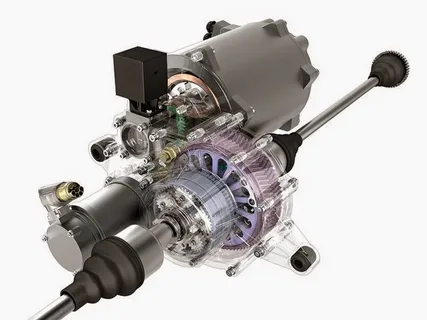
The UK EV reducer market is forecasted to grow at a steady CAGR of 6.5% between 2025 and 2035, propelled by the increased consumer acceptance and innovations in electric drivetrains. The UK electric vehicle (EV) reducer market is predicted to undergo continuous growth as a result of the considerable development of the electric vehicle sector and continuous progress in automotive technologies.
The UK Electric Vehicle (EV) Reducer Market is witnessing significant growth as the country’s push toward electrification reshapes the automotive landscape. The growing adoption of electric vehicles, backed by strong government initiatives, environmental awareness, and advancements in drivetrain technologies, is creating favorable conditions for market expansion. Electric vehicle reducers—critical components that optimize torque transfer and energy efficiency—are becoming increasingly essential as automakers focus on improving performance, durability, and cost-effectiveness in EV systems.
Market Overview
The rapid acceleration of electric mobility across the United Kingdom is driving demand for high-performance vehicle components that ensure efficiency and reliability. Reducers, also known as gear reducers or reduction gears, play a vital role in electric vehicles by transferring motor power to the wheels at optimal torque and speed ratios. With the UK government’s ambitious target to phase out petrol and diesel vehicles and achieve net-zero emissions by 2050, demand for advanced reducers is poised to grow alongside the expansion of the EV industry.
Both established automotive manufacturers and new entrants are investing in innovative reducer designs that improve energy transmission efficiency and minimize mechanical losses. Lightweight materials, precision engineering, and integration with electric drive units are emerging as key focus areas for enhancing overall vehicle performance.
Industry Drivers and Trends
Technological innovation remains a central growth driver for the UK EV reducer market. Companies are leveraging high-efficiency gear designs, low-noise technologies, and compact architectures to improve performance and reduce weight. As the UK automotive industry embraces electrification, suppliers are collaborating with EV manufacturers to develop customized reducer systems compatible with different powertrains—ranging from battery-electric vehicles (BEVs) to plug-in hybrids (PHEVs).
Sustainability and energy efficiency are shaping new trends in reducer manufacturing. Increasing emphasis on reducing power losses and improving lubrication systems is helping enhance the operational lifespan of EV drivetrains. Furthermore, the rise of connected and intelligent vehicles is driving integration between reducer systems and digital monitoring technologies, enabling predictive maintenance and optimizing performance.
The adoption of Industry 4.0 and smart manufacturing technologies across the UK is also supporting large-scale production of high-precision reducers. These innovations are helping manufacturers reduce costs and meet the rising demand for compact, durable, and quiet gear systems in electric vehicles.
Regional Insights
The UK’s strong automotive manufacturing ecosystem, particularly in regions such as the Midlands and Northern England, provides a robust foundation for the growth of the EV reducer market. Major automakers and drivetrain suppliers are expanding production capabilities, supported by investments in R&D and government grants aimed at fostering innovation in electric powertrains.
London and the South East, with their rapidly growing EV adoption rates, are driving demand for passenger electric vehicles, while industrial regions are contributing through advancements in commercial EV production. Additionally, the UK’s participation in global EV supply chains and partnerships with European technology providers are accelerating the integration of next-generation reducer systems into locally assembled vehicles.
Competitive Landscape
The UK EV reducer market features a mix of global automotive suppliers and domestic innovators working to strengthen their technological edge. Established players are focusing on developing reducers with enhanced durability, thermal performance, and reduced noise levels. Meanwhile, emerging companies are introducing compact reducer systems tailored for lightweight electric cars and two-wheelers.
Strategic collaborations between automakers, component manufacturers, and research institutes are driving new product developments in line with the UK’s electrification goals. Several companies are adopting sustainable manufacturing practices, such as using recyclable materials and optimizing production energy efficiency, to align with the country’s green mobility vision.
Moreover, partnerships between UK-based firms and Asian and European suppliers are enhancing technology transfer and supply chain resilience. As new players enter the market, competition is intensifying, leading to continuous improvements in product quality and innovation.
Future Outlook
The future of the UK Electric Vehicle Reducer Market looks highly promising as the nation continues to lead the transition toward clean and sustainable transportation. Growing consumer confidence in electric vehicles, combined with favorable regulatory policies and technological breakthroughs, is expected to drive consistent market growth over the next decade.
The integration of smart mobility systems, autonomous technologies, and energy-efficient powertrains will further boost the need for advanced reducers that can deliver high torque and precision under varying operating conditions. With both domestic and international manufacturers investing in R&D, the UK is set to become a key hub for electric drivetrain innovation in Europe.
As the demand for electric vehicles surges across all segments—from passenger cars to commercial fleets—the UK EV reducer market is positioned to play a pivotal role in shaping the future of sustainable mobility.
Get Instant Access for Only $5000 | Don’t Miss This Exclusive Offer!
https://www.futuremarketinsights.com/reports/sample/rep-gb-20145
Checkout Now to Access Industry Insights:
https://www.futuremarketinsights.com/checkout/20145
About Future Market Insights (FMI)
Future Market Insights, Inc. (ESOMAR certified, recipient of the Stevie Award, and a member of the Greater New York Chamber of Commerce) offers profound insights into the driving factors that are boosting demand in the market. FMI stands as the leading global provider of market intelligence, advisory services, consulting, and events for the Packaging, Food and Beverage, Consumer Technology, Healthcare, Industrial, and Chemicals markets. With a vast team of 400 analysts worldwide, FMI provides global, regional, and local expertise on diverse domains and industry trends across more than 110 countries.
Contact Us:
Future Market Insights Inc.
Christiana Corporate, 200 Continental Drive,
Suite 401, Newark, Delaware – 19713, USA
T: +1-845-579-5705
For Sales Enquiries: sales@futuremarketinsights.com
Website: https://www.futuremarketinsights.com
LinkedIn| Twitter| Blogs | YouTube