Expanding Horizons of Probiotic Supplements in Japan
The Japanese probiotic supplement market is entering a transformative decade, with sales estimated at USD 650.8 million in 2025 and forecasted to nearly triple to USD 1,782.4 million by 2035. This expansion, powered by a compound annual growth rate of 10.6%, underscores the growing significance of gut health in Japan’s evolving health and wellness culture. Consumers across urban hubs and emerging regions are increasingly embracing probiotics as essential health solutions, moving beyond niche applications toward mainstream adoption.
This trend reflects broadening consumer bases, rising per capita consumption, and stronger regional participation. By 2035, urban centers like Tokyo, Osaka, and Nagoya will collectively contribute over USD 600 million in probiotic supplement sales, highlighting the power of metropolitan markets.
Drivers of Growth: Health Awareness and Lifestyle Shifts
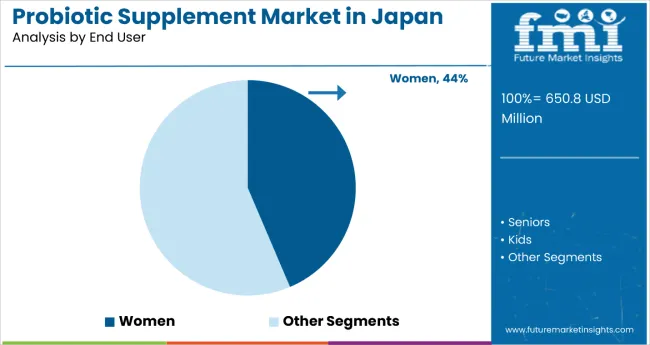
Several factors underpin this momentum. Growing awareness of gut health benefits, heightened focus on preventive care, and the natural alignment of probiotics with Japanese dietary traditions have made these supplements indispensable to wellness routines. Women, in particular, will continue to be the largest consumer group, commanding a 44% share in 2025, thanks to their proactive adoption of digestive and immunity-focused supplements.
Bacterial formulations also play a defining role. Lactobacillus is set to dominate with 38% market share in 2025, backed by its credibility in research, consumer trust, and proven effectiveness. Capsules, liquid formulations, and multi-strain products are also experiencing a surge as manufacturers innovate to meet the diverse needs of different age groups and lifestyles.
Regional Momentum: Fastest Growth in Kyushu & Okinawa and Tohoku
While established metropolitan regions like Kanto, Chubu, and Kinki remain strongholds, the fastest growth is shifting to Kyushu & Okinawa and Tohoku. Both regions are projected to grow at more than 11% CAGR between 2025 and 2035. Their rising urbanization, aging populations, and improved access to specialized health retail are driving adoption. Per capita consumption in these regions is expected to close the gap with Kanto, reaching nearly 3 kg per person annually by 2035.
Tokyo alone is forecast to generate USD 297 million in probiotic supplement sales by 2035, followed by Osaka with USD 189 million and Nagoya with USD 134 million. These numbers demonstrate not just demand concentration but also the growing cultural acceptance of probiotics as preventive healthcare essentials across Japan.
Segmental Landscape: Women, Seniors, and Kids Drive Diverse Needs
Market segmentation reveals unique growth stories across consumer categories. Women remain the dominant segment, motivated by health-conscious lifestyles and targeted formulations that support digestive health, hormonal balance, and immunity. Seniors are gaining traction, particularly in urban areas where digestive health becomes a critical part of healthy aging. Pediatric probiotics are also surging, with chewable and flavored formats gaining popularity among parents seeking natural, child-friendly solutions.
By bacterial strain, the story continues with Lactobacillus at the forefront, followed closely by bifidobacterium and streptococcus. Emerging bacterial strains and multi-strain products are expected to record double-digit growth, driven by research-backed health applications and specialized therapeutic uses.
Competitive Dynamics: Established Leaders and New Entrants
The competitive environment is being shaped by established leaders and innovative entrants alike. Yakult Honsha remains a household name, building on its probiotic heritage while branching into specialized supplement formulations that are accessible and competitively priced. Morinaga Milk leverages its dairy expertise and has diversified into targeted supplement ranges, while Meiji Holdings combines food and pharmaceutical experience to maintain a dominant presence in both mass and premium channels.
Other major players like Suntory Holdings and Eisai are carving spaces with premium, research-backed formulations that appeal to consumers seeking clinical credibility. Meanwhile, private-label brands from pharmacy chains and e-commerce platforms are reshaping pricing dynamics, offering 15–20% lower price points that expand affordability for middle-income households.
Smaller and emerging manufacturers are capitalizing on niche opportunities in multi-strain blends, functional gummies, and novel formulations, signaling an era of experimentation and rapid consumer adoption. For new entrants, aligning with distribution networks and investing in research-driven credibility remain decisive factors in achieving market visibility.
Strategic Implications for Stakeholders
Stakeholders across the value chain—from established pharmaceutical giants to startup wellness brands—stand to benefit from the sector’s evolution. Retailers are expanding probiotic assortments in pharmacy chains, health-focused stores, and online platforms. Manufacturers are broadening product formats, making supplements more consumer-friendly. Healthcare providers are increasingly endorsing probiotics as preventive solutions, further solidifying their role in the wellness ecosystem.
The decline in price premiums over conventional supplements, from 28% in 2020 to 19% in 2025, suggests that affordability will continue to improve. This creates an opportunity for broader household penetration, especially among mid-income demographics in emerging Japanese regions.
Purchase this Report for USD 5,000 Only | Get an Exclusive Discount Instantly! https://www.futuremarketinsights.com/checkout/18730
Everything You Need—within Your Budget. Request a Special Price Now! https://www.futuremarketinsights.com/reports/sample/rep-gb-18730
About Future Market Insights (FMI)
Future Market Insights, Inc. (ESOMAR certified, recipient of the Stevie Award, and a member of the Greater New York Chamber of Commerce) offers profound insights into the driving factors that are boosting demand in the market. FMI stands as the leading global provider of market intelligence, advisory services, consulting, and events for the Packaging, Food and Beverage, Consumer Technology, Healthcare, Industrial, and Chemicals markets. With a vast team of over 400 analysts worldwide, FMI provides global, regional, and local expertise on diverse domains and industry trends across more than 110 countries.
Contact Us:
Future Market Insights Inc.
Christiana Corporate, 200 Continental Drive,
Suite 401, Newark, Delaware – 19713, USA
T: +1-347-918-3531
For Sales Enquiries: sales@futuremarketinsights.com
Website: https://www.futuremarketinsights.com
LinkedIn| Twitter| Blogs | YouTube