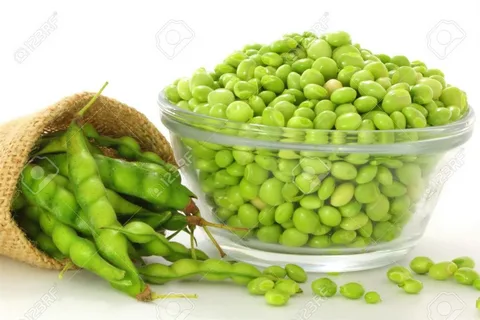
The Pigeon Pea Industry is valued to be around USD 15,641 million in 2025 and is projected to grow to USD 31,765 million by 2035, with a CAGR of 7.3% from 2025 to 2035.
The pigeon pea market is witnessing progressive growth as consumers and producers worldwide recognize its value as a rich source of protein, dietary fiber, and essential nutrients. Known for its adaptability to diverse climates and ability to improve soil fertility through nitrogen fixation, pigeon pea serves both nutritional and environmental roles, fostering its expansion in food security and sustainable agriculture initiatives.
Increased focus on plant-based proteins and demand for affordable, nutrient-dense foods contribute to broadening consumption of pigeon pea across traditional and emerging markets. Advances in cultivation techniques and seed varieties further enhance productivity and resilience, supporting market growth and farmer livelihoods.
Market Drivers Across Food and Feed Applications
Pigeon pea is widely consumed as a staple pulse in various cuisines, appreciated for its versatility in soups, stews, snacks, and specialty dishes. The growing global trend toward healthy, plant-based diets boosts its utilization as a source of high-quality protein suitable for vegetarians, vegans, and flexitarians.
Beyond human consumption, pigeon pea finds increasing use as animal feed, providing a cost-effective protein supplement that supports sustainable livestock farming and improved nutrition. Its role in crop rotation and intercropping systems amplifies its importance, helping farmers reduce chemical fertilizer use and enhance overall farm productivity.
Rising population and income levels, paired with awareness campaigns promoting pulses’ health benefits, stimulate demand in food processing and retail sectors worldwide.
Regional Insights and Market Expansion
Asia-Pacific dominates pigeon pea production and consumption due to traditional dietary patterns and supportive agricultural policies, particularly in India and neighboring countries. The region’s focus on improving pulse crop yields and diversifying food supply positions pigeon pea as a key commodity.
Africa is emerging as a growth market, with increasing cultivation driven by food security priorities and international aid programs promoting legume farming. Expanded consumer acceptance, urbanization, and evolving food culture contribute to rising pigeon pea demand.
Latin America and other regions also demonstrate potential through novel food product development and growing use as a feed ingredient. Regional adaptation and trade facilitation efforts support wider accessibility and market integration.
Advancements in Cultivation and Processing Technologies
Innovations in seed breeding, pest management, and agronomic practices enhance pigeon pea quality and yield, fostering more reliable supply chains. Climate-resilient varieties adapted to drought and heat help expand cultivation zones and improve farmer incomes.
Post-harvest processing technologies improve grain cleaning, dehulling, and packaging, raising product shelf life and consumer appeal. Development of ready-to-cook and convenience formats alongside traditional raw grains supports expanding market segments—from households to institutional buyers.
Sustainability practices emphasizing resource efficiency and soil health strengthen the position of pigeon pea within eco-friendly agricultural frameworks.
Market Challenges and Emerging Opportunities
Challenges include weather variability, pest infestations, and variable market prices impacting farmer profitability and supply consistency. Limited awareness and infrastructural constraints in certain markets can hinder demand growth and trade expansion.
Addressing these issues requires investments in extension services, cold chain logistics, quality standardization, and farmer cooperatives. Innovation in value-added products such as protein isolates, snacks, fortified foods, and animal feed formulations present lucrative growth avenues.
Consumer education campaigns emphasizing pigeon pea’s nutritional and environmental benefits aid adoption, especially in regions less familiar with pulses.
Competitive Landscape and Industry Partnerships
The pigeon pea market encompasses local growers, commodity traders, food processors, and feed manufacturers. Leading participants focus on improving production efficiency, quality control, and supply chain management to meet rising global demand.
Strategic collaborations among agricultural research institutes, government programs, NGOs, and private sector entities facilitate seed technology transfer, market access, and sustainability initiatives. Partnerships with retailers and foodservice operators enable diversified product offerings and consumer reach.
Smaller producers and cooperatives benefit from digital agri-solutions and fair trade certifications to access premium markets and stabilize incomes.
Outlook: A Nutritional Staple Supporting Sustainable Development
Looking forward, the pigeon pea market is poised for continued growth supported by expanding health-conscious consumer bases, food safety concerns, and sustainable agriculture frameworks. As plant-based proteins gain prominence and environmental pressures mount, pigeon pea’s dual role as food and sustainable crop positions it to play a vital part in global food systems.
Improvements in cultivation, processing, and market infrastructure will unlock greater efficiency and product innovation, enhancing accessibility and consumer engagement. Manufacturers and agricultural stakeholders focused on quality, traceability, and sustainability will lead this expanding market.
Pigeon pea’s legacy as a resilient, nutritious legume makes it a cornerstone ingredient for addressing nutrition security, economic development, and environmental stewardship worldwide.
Get Instant Access for Only $3500 | Don’t Miss This Exclusive Offer!
https://www.futuremarketinsights.com/reports/sample/rep-gb-2979
Checkout Now to Access Industry Insights:
https://www.futuremarketinsights.com/reports/sample/rep-gb-2979
About Future Market Insights (FMI)
Future Market Insights, Inc. (ESOMAR certified, recipient of the Stevie Award, and a member of the Greater New York Chamber of Commerce) offers profound insights into the driving factors that are boosting demand in the market. FMI stands as the leading global provider of market intelligence, advisory services, consulting, and events for the Packaging, Food and Beverage, Consumer Technology, Healthcare, Industrial, and Chemicals markets. With a vast team of 400 analysts worldwide, FMI provides global, regional, and local expertise on diverse domains and industry trends across more than 110 countries.
Contact Us:
Future Market Insights Inc.
Christiana Corporate, 200 Continental Drive,
Suite 401, Newark, Delaware – 19713, USA
T: +1-845-579-5705
For Sales Enquiries: sales@futuremarketinsights.com
Website: https://www.futuremarketinsights.com
LinkedIn| Twitter| Blogs | YouTube