The global HAZMAT labels market is poised for significant growth, projected to rise from USD 1.6 billion in 2025 to USD 2.6 billion by 2035, reflecting a robust CAGR of 4.8%. These standardized labels, critical for the safe transport, storage, and handling of hazardous substances, are increasingly becoming a cornerstone for manufacturers aiming to meet regulatory compliance, reduce workplace risks, and support international trade.
Driving Safety and Compliance in Hazardous Materials Handling
HAZMAT labels communicate essential information about the risks associated with dangerous substances. With workplace safety becoming a top priority, manufacturers are investing in high-quality labeling to prevent accidents and adhere to legal standards. These labels not only safeguard employees but also mitigate potential financial liabilities stemming from non-compliance, positioning them as indispensable tools for operational efficiency in high-risk industries.
“Reliable HAZMAT labeling is no longer optional for manufacturers dealing with chemicals, petrochemicals, pharmaceuticals, or industrial goods,” said industry expert. “It’s a strategic investment in safety, efficiency, and international market readiness.”
Buy Now & Save: Premium Market Report at $5,000 | Discount Details Inside:- https://www.futuremarketinsights.com/reports/sample/rep-gb-7442
Industrialization Driving Demand
The rapid pace of industrialization, particularly in emerging economies, is fueling demand for HAZMAT labels. Expanding sectors such as chemical manufacturing, oil and gas, and pharmaceuticals require safe transport and storage protocols for hazardous materials. Proper labeling systems ensure that workers, transporters, and emergency responders can accurately identify risks, reducing accidents and maintaining compliance across increasingly globalized supply chains.
Trade Expansion and Label Standardization
Global trade is expanding the need for standardized HAZMAT labels. International transportation of chemicals, gases, and other dangerous goods necessitates universally recognized labeling systems to prevent accidents and facilitate smooth logistics. Compliance with international conventions, such as the International Maritime Dangerous Goods (IMDG) code and the Globally Harmonized System (GHS), ensures safe and consistent handling of hazardous goods worldwide.
Standardization across borders has emerged as a key trend. Uniform labels not only improve safety but also streamline international trade, enabling manufacturers to operate efficiently across regions while adhering to rigorous safety regulations.
Sustainability: The Green Label Trend
Environmental concerns are reshaping HAZMAT label preferences. Eco-conscious manufacturers and consumers are increasingly seeking biodegradable, recyclable, and non-toxic labeling solutions. Companies such as Labelly are at the forefront of this trend, producing environmentally friendly labels that meet HAZMAT standards while reducing ecological impact. Sustainability-focused labeling positions manufacturers to comply with environmental regulations, improve brand reputation, and align with growing consumer expectations.
Overcoming Cost Challenges
Despite clear benefits, high production costs remain a challenge. Durable, weather-resistant materials and specialized inks contribute to higher manufacturing expenses. Scarce resources for regulatory compliance can further limit adoption, particularly for small and mid-sized manufacturers. Innovative solutions, such as in-house label printing and digital design platforms, are emerging to reduce costs while maintaining safety and compliance.
Segment Insights: Material, Label Type, and End Use
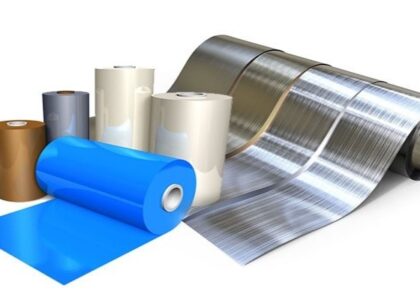
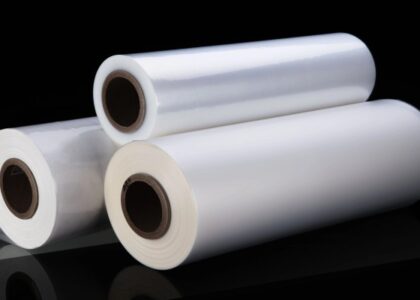
Plastic-based labels, including polyethylene and vinyl, dominate due to their durability against chemicals, moisture, UV exposure, and abrasions. DOT HAZMAT labels lead the market, holding 62% of the market share in 2025, thanks to their clear hazard communication and color-coded symbols that streamline emergency response and transport safety.
Chemical and petrochemical industries account for the largest end-use segment, holding 24% of the market share in 2025. These industries handle flammable, toxic, or corrosive substances that pose severe risks if improperly managed. HAZMAT labels provide clear hazard identification, handling instructions, and emergency procedures, safeguarding both personnel and assets.
Regional Market Dynamics
The U.S. is expected to capture a 27.6% market share in 2025, driven by industrial expansion and international trade. In Europe, Germany’s market is projected to grow at a 5.2% CAGR due to its strong manufacturing and chemical sectors. The UK emphasizes precise labeling for regulatory compliance, while Japan’s stringent chemical safety laws mandate high-standard HAZMAT labeling. In Asia, China and India are seeing rising adoption due to environmental and safety compliance pressures, along with rapid industrial growth and international trade integration.
Click Here to Purchase the Report:- https://www.futuremarketinsights.com/checkout/7442
Competitive Landscape and Innovation
The HAZMAT labels market is highly competitive, with leaders such as Brady Corporation, Labelmaster, and DuraMark Technologies driving innovation. Brady Corporation focuses on durable, customizable labels and expanding digital offerings for in-house production. Labelmaster provides comprehensive labeling solutions and compliance training, while DuraMark emphasizes high-performance, chemical-resistant labels suitable for extreme conditions.
Startups are also innovating, with Hazmat Labels LLC offering customizable, quick-turnaround labeling solutions for small and medium-sized manufacturers. Labelly is pioneering eco-friendly HAZMAT labels, aligning sustainability with regulatory standards to meet evolving market needs.
Future Outlook
As industrialization, global trade, and workplace safety awareness continue to grow, the HAZMAT labels market is set to become increasingly critical for manufacturers worldwide. Companies investing in reliable, standardized, and eco-friendly labeling solutions will gain a competitive edge by ensuring regulatory compliance, protecting personnel, and supporting sustainable growth.
The market’s evolution underscores a simple reality: effective hazard communication is not just about regulatory compliance—it is an essential strategy for operational resilience, international competitiveness, and environmental responsibility.
About Future Market Insights (FMI)
Future Market Insights, Inc. (ESOMAR certified, recipient of the Stevie Award, and a member of the Greater New York Chamber of Commerce) offers profound insights into the driving factors that are boosting demand in the market. FMI stands as the leading global provider of market intelligence, advisory services, consulting, and events for the Packaging, Food and Beverage, Consumer Technology, Healthcare, Industrial, and Chemicals markets. With a vast team of over 400 analystsworldwide, FMI provides global, regional, and local expertise on diverse domains and industry trends across more than 110 countries.
Contact Us:
Future Market Insights Inc.
Christiana Corporate, 200 Continental Drive,
Suite 401, Newark, Delaware – 19713, USA
T: +1-347-918-3531
For Sales Enquiries: sales@futuremarketinsights.com
Website: https://www.futuremarketinsights.com
LinkedIn| Twitter| Blogs | YouTube