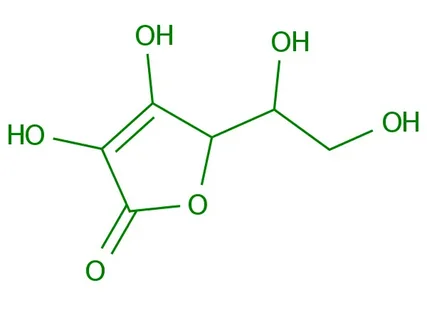
Analysis of the Global Ascorbic Acid market shows growth from USD 1,251.1 million in 2020 to USD 1,606.2 million in 2025, reflecting a 4.8% CAGR. Industry projections indicate a 5.7% CAGR will elevate the market to USD 2,796.1 million by 2035.
The ascorbic acid market is undergoing robust growth as industries recognize its multifunctional value in diverse sectors. Known commonly as vitamin C, ascorbic acid serves as a critical antioxidant, preservative, and nutrient in food, beverages, pharmaceuticals, and cosmetics. Increasing consumer awareness of health and wellness boosts demand for naturally sourced ingredients, making ascorbic acid a staple in product formulation worldwide. Market expansion is further supported by evolving functional food trends and heightened interest in immune-boosting supplements.
Production advancements and improvements in supply chain efficiency have ensured a steady supply of ascorbic acid to global markets. Enhanced purity standards and diversified sourcing, including both natural and synthetic origins, enable manufacturers to cater to specific industry preferences and regulatory requirements.
Key Growth Drivers and Industry Usage
Health and nutrition are primary growth drivers for the ascorbic acid market. Ascorbic acid’s role as a vitamin supplement—supporting immune function, skin health, and antioxidant protection—has been widely embraced by consumers seeking preventative wellness solutions. The pharmaceutical and nutraceutical industries utilize ascorbic acid in a variety of dosage forms, including tablets, powders, effervescents, and injectables, to address deficiencies and provide adjunctive therapy for specific conditions.
The food and beverage sector heavily leverages ascorbic acid as a preservative, color stabilizer, and nutritional enhancer. It is commonly used in juices, processed fruits and vegetables, dairy products, and meat analogs to prevent oxidation and maintain product freshness. Amid rising demand for clean-label and natural preservatives, food manufacturers are increasing their use of ascorbic acid to replace synthetic additives and meet consumer transparency expectations.
Cosmetic and personal care brands value ascorbic acid for its skin-brightening, anti-aging, and protective properties. Incorporated into serums, creams, and topical formulations, ascorbic acid supports collagen synthesis and helps protect against environmental stressors, aligning with growing demand for effective, multifunctional skincare solutions.
Regional Trends and Market Expansion
North America and Europe represent mature markets for ascorbic acid, where established dietary supplement industries and stringent food quality standards drive consistent usage. Regulatory support for fortification and clearly defined health claims make these regions fertile ground for ongoing product innovation and brand diversification.
The Asia-Pacific region exhibits the fastest growth, fueled by large population bases, increased disposable incomes, and strong traditional use of vitamin supplements. Major producers in China and India play a pivotal role in the global supply chain, while local markets experience a surge in demand for fortified foods and functional beverages. Urbanization, changing dietary habits, and expanding middle-class segments further underwrite the market’s momentum.
Emerging economies in Latin America, the Middle East, and Africa are also witnessing expansion through growing healthcare investments, efforts to combat micronutrient deficiencies, and the promotion of preventive wellness programs.
Innovation, Production, and Quality Enhancement
Technological advancements in fermentation, extraction, and synthesis have improved the efficiency and environmental sustainability of ascorbic acid production. Manufacturers focus on reducing energy usage, wastewater output, and raw material costs, which is critical for competitive supply pricing and environmental compliance.
Product innovation includes development of encapsulated, slow-release, and water-soluble forms for enhanced absorption and convenient use in food processing, supplement manufacturing, and cosmetic application. Traceability systems and rigorous testing ensure quality, authenticity, and compliance with international standards, providing reassurance to both consumers and regulatory bodies.
Challenges and Opportunities in the Market
The ascorbic acid market faces challenges related to price volatility, supply chain risks, and stringent regulatory environments for food additives and supplement ingredients. Fluctuating raw material costs and concentration of production in select countries can affect global pricing stability.
Opportunities lie in broadening the use of ascorbic acid in plant-based foods, fortified snacks, and eco-friendly packaging. Education campaigns about vitamin C’s health benefits and investment in regional production capabilities can mitigate supply disruptions and foster market resilience. Companies committed to sustainability—through greener manufacturing and responsible sourcing—are well-positioned to win consumer loyalty and regulatory support.
Competitive Landscape and Collaboration Strategies
The market features a balance of multinational ingredient suppliers and regional producers specializing in ascorbic acid derivatives, blends, and custom solutions. Industry leaders invest in R&D for new formulation techniques, improve supply chain integration, and develop branded product lines targeting health-conscious demographics.
Strategic alliances between raw material suppliers, pharmaceutical companies, and food manufacturers streamline knowledge transfer, quality assurance, and product development. Industry collaborations also facilitate compliance with food safety standards and support global market access.
Niche players often focus on natural, organic, or enhanced-bioavailability product portfolios, positioning themselves as premium offerings in a competitive landscape. Marketing strategies emphasizing clinical research, certified organic sourcing, and environmental stewardship strengthen branding and market differentiation.
Outlook: Ascorbic Acid’s Expanding Role in Modern Lifestyles
Looking ahead, the ascorbic acid market will continue to benefit from rising interest in disease prevention, healthy aging, and product transparency. The convergence of scientific advances, evolving consumer lifestyles, and more sustainable production models will redefine opportunities for vitamin C utilization.
With ongoing innovation in functional food, pharmaceuticals, and personal care, ascorbic acid remains a critical ingredient supporting health, wellness, and regulatory compliance. Manufacturers who balance affordability, product performance, and environmental responsibility are poised to capture market growth as global demand shows no sign of abating.
As consumer awareness and industry standards evolve, ascorbic acid’s essential value as a versatile and reliable functional ingredient will underpin its role across the food, health, and beauty sectors worldwide.
Get Instant Access for Only $3500 | Don’t Miss This Exclusive Offer!
https://www.futuremarketinsights.com/reports/sample/rep-gb-16186
Checkout Now to Access Industry Insights:
https://www.futuremarketinsights.com/checkout/16186
About Future Market Insights (FMI)
Future Market Insights, Inc. (ESOMAR certified, recipient of the Stevie Award, and a member of the Greater New York Chamber of Commerce) offers profound insights into the driving factors that are boosting demand in the market. FMI stands as the leading global provider of market intelligence, advisory services, consulting, and events for the Packaging, Food and Beverage, Consumer Technology, Healthcare, Industrial, and Chemicals markets. With a vast team of 400 analysts worldwide, FMI provides global, regional, and local expertise on diverse domains and industry trends across more than 110 countries.
Contact Us:
Future Market Insights Inc.
Christiana Corporate, 200 Continental Drive,
Suite 401, Newark, Delaware – 19713, USA
T: +1-845-579-5705
For Sales Enquiries: sales@futuremarketinsights.com
Website: https://www.futuremarketinsights.com
LinkedIn| Twitter| Blogs | YouTube