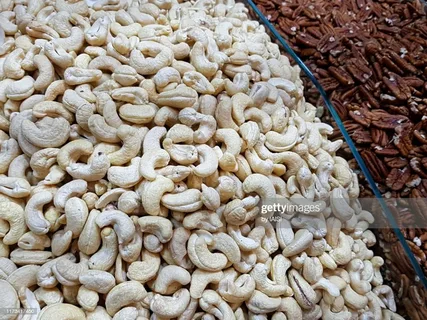
The global Processed Cashew market is poised to reach a value of USD 5,925.7 Million by 2025 and it is projected to reach a value of USD 10,413.5 Million by 2035, reflecting a compound annual growth rate of 5.8% over the assessment period 2025 to 2035.
The processed cashew market is witnessing a steady rise supported by growing health awareness, changing dietary habits, and expanding applications in food industries worldwide. Cashew nuts, known for their rich nutritional profile and versatility, are increasingly incorporated into snacks, confectionery, bakery items, and plant-based food products. This trend is bolstered by evolving consumer preferences for nutrient-dense, natural, and convenient food options, fueling market growth across regions.
Improved processing technologies, including shelling, roasting, flavoring, and packaging, are enhancing product quality and variety available to consumers and manufacturers. These advancements ensure better retention of flavor, texture, and nutritional content, which further stimulates demand across retail, foodservice, and industrial sectors.
Drivers of Demand in Health-Conscious and Culinary Markets
The surge in global health-consciousness is a major catalyst for processed cashew consumption. Consumers increasingly view cashews as beneficial sources of healthy fats, proteins, and minerals, seeking them as gluten-free, vegan, and heart-friendly snack alternatives. This demand is reflected in diverse product offerings such as flavored nuts, nut butters, vegan cheeses, and dairy substitutes incorporating cashew bases.
Cashews also enjoy widespread culinary use across multiple cuisines, where processed cashew products enhance dishes with rich texture and unique flavors. Their application in sauces, desserts, and ready-to-eat meals extends market reach beyond conventional snacking to professional kitchens and food manufacturers. The versatility of cashew derivatives continues to open new avenues in food innovation and product development.
Regional Market Dynamics and Consumption Patterns
Emerging economies in Asia-Pacific and Africa play key roles as both large producers and consumers of processed cashew products. India and Vietnam are notable hubs where high processing capacities and export-oriented production have evolved. Meanwhile, rising urbanization and disposable incomes in these regions are driving domestic consumption growth, supported by expanding retail channels and e-commerce penetration.
North America and Europe represent mature markets with sophisticated consumer segments prioritizing premium, organic, and sustainably sourced cashew products. Growing trends toward plant-based lifestyles, clean-label ingredients, and exotic flavors support product differentiation strategies and premium pricing. Retailers and foodservice operators continually introduce innovative cashew-based snacks and meal components to satisfy these evolving tastes.
Technological Innovations Enhancing Product Quality and Sustainability
Advances in cashew processing technologies are pivotal to market expansion. Automation in shelling and peeling, combined with novel roasting techniques and flavor infusion methods, improve quality while reducing waste and processing times. Packaging innovations extend shelf life and convenience, adapting to on-the-go lifestyles and global distribution demands.
Sustainability initiatives focused on reducing environmental impact throughout the cashew supply chain drive innovations in energy-efficient processing, water conservation, and ethical sourcing. Traceability systems and certification programs aimed at supporting fair trade and organic standards enhance consumer trust and market access globally.
Market Challenges and Addressing Supply Chain Complexities
The processed cashew sector faces challenges such as volatility in raw cashew prices, dependency on climatic conditions affecting crop yields, and labor-intensive harvesting processes. Supply chain disruptions pose risks to timely processing and consistent quality, especially in regions with infrastructural limitations.
To mitigate these concerns, companies are investing in vertical integration, contract farming, and technology-enabled supply chain management. Improved collaboration among growers, processors, and distributors helps stabilize supply, reduce costs, and ensure product quality and traceability. These efforts are essential for maintaining competitiveness and meeting growing consumer expectations.
Competitive Landscape and Strategic Partnerships
The processed cashew market consists of globally established nuts processors alongside regional producers focusing on local specialties and value-added products. Industry leaders differentiate themselves through R&D investments, brand development, and diversified product portfolios that cater to health, convenience, and premium segments.
Strategic partnerships between processors and food manufacturers are common to create co-branded or customized cashew-based products. Collaborations with retailers and e-commerce platforms enhance market penetration, while alliances with certification bodies support sustainability credentials and compliance with international quality standards.
Emerging players emphasize innovations in niche product lines such as flavored cashew snacks, cashew flour, and functional food ingredients, capitalizing on health trends and consumer curiosity about exotic nut varieties.
Outlook: Steady Growth Amid Evolving Consumer Preferences
Looking ahead, the processed cashew market is set for consistent expansion as health-conscious consumers continue to embrace nuts as essential components of balanced diets. Product diversification into vegan foods, clean-label snacks, and functional ingredients offers growth opportunities for processors and food innovators.
Increasing urbanization, globalization of taste preferences, and improvements in supply chains will sustain demand in both established and emerging markets. Sustainable and ethical production practices will become integral to competitive advantage as environmental and social considerations influence purchasing decisions.
Ultimately, processed cashews are positioned to remain a versatile, nutritious, and desirable ingredient, fueling growth across food science, retail, and culinary sectors worldwide. Both seasoned market leaders and agile newcomers have promising prospects to meet the evolving needs of discerning consumers seeking flavor, health benefits, and sustainability in their food choices.
Get Instant Access for Only $3500 | Don’t Miss This Exclusive Offer!
https://www.futuremarketinsights.com/reports/sample/rep-gb-14584
Checkout Now to Access Industry Insights:
https://www.futuremarketinsights.com/checkout/14584
About Future Market Insights (FMI)
Future Market Insights, Inc. (ESOMAR certified, recipient of the Stevie Award, and a member of the Greater New York Chamber of Commerce) offers profound insights into the driving factors that are boosting demand in the market. FMI stands as the leading global provider of market intelligence, advisory services, consulting, and events for the Packaging, Food and Beverage, Consumer Technology, Healthcare, Industrial, and Chemicals markets. With a vast team of 400 analysts worldwide, FMI provides global, regional, and local expertise on diverse domains and industry trends across more than 110 countries.
Contact Us:
Future Market Insights Inc.
Christiana Corporate, 200 Continental Drive,
Suite 401, Newark, Delaware – 19713, USA
T: +1-845-579-5705
For Sales Enquiries: sales@futuremarketinsights.com
Website: https://www.futuremarketinsights.com
LinkedIn| Twitter| Blogs | YouTube