The global sales of foil labels are estimated to be worth USD 2,356.0 million in 2025 and anticipated to reach a value of USD 3,487.5 million by 2035. Sales are projected to rise at a CAGR of 4.0% over the forecast period between 2025 and 2035. The revenue generated by foil labels in 2024 was USD 2,300.8 million. The industry is anticipated to exhibit a Y-o-Y growth of 3.8% in 2025.
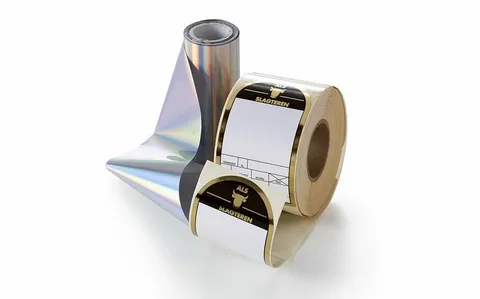
The foil labels market is witnessing consistent expansion as brands increasingly seek innovative packaging solutions that enhance product appeal and protection. Foil labels, known for their metallic finish and superior durability, offer a premium aesthetic that helps products stand out on crowded retail shelves. The growing importance of brand differentiation through packaging, combined with the versatile properties of foil labels, is fueling demand across multiple industries.
These labels are favored for their resistance to moisture, chemicals, and abrasion, making them ideal for encountering diverse environmental conditions while retaining visual appeal. The adoption of foil labels extends beyond traditional decorative uses to technical applications where labeling longevity and product integrity are paramount.
Key Market Drivers and Industry Adoption
Consumer demand for premium, eye-catching packaging is a major factor propelling the foil labels market. Sectors such as food and beverage, cosmetics, pharmaceuticals, and luxury goods heavily invest in foil labeling to convey quality, authenticity, and sophistication. The tactile and reflective properties of foil add tangible value, attracting discerning consumer segments willing to pay premiums for branded experiences.
The rise of e-commerce and omnichannel retailing further spurs foil label demand as products must capture consumer attention both physically and digitally. Foil labels deliver enhanced print contrast and are compatible with various printing techniques, including hot stamping and digital processes, allowing for sophisticated design executions.
Regional Insights and Market Expansion
North America and Europe dominate the foil labels market owing to advanced packaging industries, high consumer spending capacity, and stringent quality standards. The presence of major FMCG and luxury brands fueled by evolving regulations around packaging sustainability drives innovation and adoption.
Asia-Pacific exhibits rapid growth, reflecting expanding manufacturing capabilities, rising disposable incomes, and increasing penetration of organized retail. Emerging markets in this region view foil labels as instruments to elevate product positioning and cater to escalating consumer aspirations.
Latin America and the Middle East & Africa regions are gradually increasing foil label utilization, supported by growing urbanization, retail infrastructure, and interest in premium products. Manufacturers in these areas are adopting foil labeling to meet evolving market expectations for durability and design sophistication.
Technological Innovations Enhancing Label Performance
Technological progress in foil label manufacturing focuses on developments that improve printability, adhesion, and environmental sustainability. Eco-friendly foil materials made from recycled content and biodegradable substrates are gaining traction as environmental regulations tighten globally.
Advanced printing methods, including digital foil application and customizable holographic effects, enable brands to create bespoke label designs that reinforce uniqueness and combat counterfeiting. Innovations in adhesive formulations and liner technologies also enhance label application versatility across different packaging materials and shapes.
Challenges and Strategic Growth Opportunities
The foil labels market faces challenges such as fluctuating raw material costs, particularly related to metal substrates, and the complexity of recycling foil-laminated materials. Regulatory pressures on packaging waste management necessitate adoption of circular economy principles and investment into sustainable label solutions.
Consumer education regarding the recyclability and environmental impact of foil labels is critical to support market sustainability and acceptance. Manufacturers focusing on reducing waste, enhancing recyclability, and integrating smart labeling technologies with sustainability credentials will unlock substantial growth potential.
Expanding application segments such as pharmaceuticals and electronics, where durable and tamper-evident labeling is essential, present new avenues for market diversification and revenue generation.
Competitive Landscape and Industry Collaborations
The foil labels market is populated by global label manufacturers and specialty converters emphasizing innovation, quality control, and customer-centric development. Industry leaders maintain competitive advantages through comprehensive product portfolios, extensive distribution networks, and strategic partnerships with packaging companies and brand owners.
Collaborations with technology providers enable integration of anti-counterfeit features such as holograms, QR codes, and RFID tags into foil labels, enhancing security and brand trust. Partnerships with sustainability-focused organizations support development of greener materials and compliance with evolving regulations.
Smaller regional players leverage localized market knowledge and agile production to serve niche customer segments with customized foil labeling solutions. Technological collaborations between multinational and local companies foster knowledge transfer and broaden innovation reach.
Outlook: Foil Labels as a Cornerstone of Premium Packaging
Looking ahead, the foil labels market is poised for steady growth supported by evolving consumer expectations for convenient, durable, and visually compelling packaging. The blend of aesthetic superiority with protective functionality ensures foil labels remain integral to brand-building strategies worldwide.
Ongoing advancements in sustainable materials, printing technologies, and smart label integration will reshape market offerings, enabling manufacturers to address challenges while unlocking fresh customer engagement opportunities.
With global industries embracing premiumization and digitization within packaging, both established market leaders and innovative newcomers are positioned to capitalize on this dynamic landscape. Continued investment in research, sustainability, and collaboration will define the trajectory of foil labels as essential components in the future of packaging excellence.
Get Instant Access for Only $5,000 | Don’t Miss This Exclusive Offer!
https://www.futuremarketinsights.com/reports/sample/rep-gb-2824
Checkout Now to Access Industry Insights:
https://www.futuremarketinsights.com/checkout/2824
About Future Market Insights (FMI)
Future Market Insights, Inc. (ESOMAR certified, recipient of the Stevie Award, and a member of the Greater New York Chamber of Commerce) offers profound insights into the driving factors that are boosting demand in the market. FMI stands as the leading global provider of market intelligence, advisory services, consulting, and events for the Packaging, Food and Beverage, Consumer Technology, Healthcare, Industrial, and Chemicals markets. With a vast team of 400 analysts worldwide, FMI provides global, regional, and local expertise on diverse domains and industry trends across more than 110 countries.
Contact Us:
Future Market Insights Inc.
Christiana Corporate, 200 Continental Drive,
Suite 401, Newark, Delaware – 19713, USA
T: +1-845-579-5705
For Sales Enquiries: sales@futuremarketinsights.com
Website: https://www.futuremarketinsights.com
LinkedIn| Twitter| Blogs | YouTube