The Global Dehydrated Meat Product industry is poised to reach a value of USD 1,423 million in 2025, and further expand at a CAGR of 9.3% to reach USD 3,455 million by 2035.
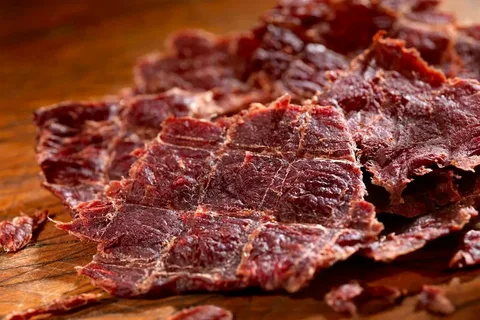
The dehydrated meat product market is experiencing consistent growth as consumers and businesses increasingly seek convenient, protein-rich, and long-lasting food options. These products, crafted by removing moisture from meat, offer extended shelf life while preserving flavor and nutrition, making them ideal for on-the-go consumption and emergency food supplies. Innovations in drying technologies and packaging solutions have further enhanced product quality and accessibility, fueling demand across diverse regions and demographics.
With busy lifestyles and a growing health-conscious population placing emphasis on high-protein, low-fat snacks, dehydrated meats have seen rising adoption among fitness enthusiasts, outdoor adventurers, and urban consumers alike. Their portability and nutrient density make them a preferred choice in retail, military, and hospitality sectors.
Factors Driving Market Growth and Consumer Adoption
A key driver of market growth is the increasing focus on protein as a vital nutrient in global diets. Dehydrated meat products, including jerky, meat sticks, and meat cubes, align well with trends favoring natural, minimally processed, and clean-label food items. Consumer demand for flavorful, preservative-free snacks with extended shelf stability supports the expansion of product portfolios and innovation in seasoning and meat sourcing.
The growing outdoor recreation and adventure segment, comprising hikers, campers, and travelers, further propels market expansion as these consumers prioritize shelf-stable and lightweight nutrition. Military and emergency preparedness sectors also contribute substantial demand for robust, easy-to-store meat products suitable for challenging conditions.
Regional Market Characteristics and Demand Drivers
North America dominates the dehydrated meat market due to established food technologies, high consumer awareness, and expansive retail networks. The United States, in particular, boasts a mature jerky culture supported by diverse flavor innovations and marketing strategies targeting health enthusiasts and snack consumers.
In Europe, growing interest in ready-to-eat protein snacks and specialty food products is encouraging product development with a focus on organic, grass-fed, and sustainably sourced meats. Countries such as Germany, the UK, and France show increasing inclination toward premium dehydrated meat products across health-conscious and gourmet segments.
The Asia-Pacific region presents rapid growth potential driven by urbanization, rising disposable incomes, and expanding retail infrastructure. Local adaptations in flavors and meat varieties cater to diverse palates, while increasing awareness of nutritional benefits fuels consumer interest in ready-to-eat protein options.
Technological Innovations Enhancing Product Appeal
Advancements in dehydration methods, such as freeze-drying, air-drying, and vacuum drying, optimize texture, taste retention, and nutritional conservation. Enhanced packaging technologies, including vacuum sealing and nitrogen flushing, extend shelf life and preserve product freshness, contributing to broader market acceptance.
Flavoring and seasoning innovations address evolving consumer tastes with options ranging from traditional smoky profiles to exotic spice blends and low-sodium varieties. Manufacturers increasingly source meats certified for quality and sustainability to meet rising consumer demands for traceability and ethical production.
Challenges and Strategic Development Areas
The dehydrated meat product market faces challenges pertaining to raw material costs and supply chain variability due to livestock health, climatic impacts, and regulatory fluctuations. Furthermore, ensuring consistent product quality and safety standards across diverse manufacturing regions requires stringent controls and certifications.
Educating consumers on the benefits of dehydrated meats beyond traditional snack usage can expand market reach, especially in emerging regions with developing protein consumption habits. Companies focusing on affordable price points, nutritionally fortified products, and innovative formats to appeal to family and child consumers will unlock additional growth potential.
Competitive Landscape and Partnerships
The market features a combination of global food conglomerates, regional meat processors, and emerging specialty brands innovating in flavor, packaging, and functional attributes. Leading companies leverage expansive supply chains and strong retail relationships while investing in R&D to introduce new products that align with wellness trends.
Collaborations between meat suppliers, flavor houses, and packaging innovators facilitate product differentiation and market responsiveness. Partnerships with outdoor recreation brands and health organizations also bolster marketing reach by associating products with active, healthy lifestyles.
Smaller players capitalize on local sourcing and artisanal processing to appeal to niche markets seeking authentic, small-batch dehydrated meat products with unique cultural and flavor profiles.
Future Outlook: Meeting Rising Demand for Nutritious and Convenient Proteins
Looking ahead, the dehydrated meat product market is poised for sustained growth aligned with trends emphasizing nutrition, convenience, and sustainability. Innovations in processing, such as plant-forward blends and nutrient enrichment, are expected to broaden appeal and meet expanding dietary preferences.
Rising investments in expanding production capacity, optimizing supply chains, and enhancing quality assurance will support market scalability and geographic penetration. As consumers increasingly seek protein-rich foods suitable for diverse lifestyles—from urban snacking to outdoor adventures—the market will continue responding with innovative, versatile offerings.
With evolving consumer expectations and global shifts towards healthier, convenient eating, both established industry leaders and emerging participants are well-positioned to drive innovation, expand market presence, and shape the future of the dehydrated meat product landscape.
Get Instant Access for Only $3500 | Don’t Miss This Exclusive Offer!
https://www.futuremarketinsights.com/reports/sample/rep-gb-2586
Checkout Now to Access Industry Insights:
https://www.futuremarketinsights.com/checkout/2586
About Future Market Insights (FMI)
Future Market Insights, Inc. (ESOMAR certified, recipient of the Stevie Award, and a member of the Greater New York Chamber of Commerce) offers profound insights into the driving factors that are boosting demand in the market. FMI stands as the leading global provider of market intelligence, advisory services, consulting, and events for the Packaging, Food and Beverage, Consumer Technology, Healthcare, Industrial, and Chemicals markets. With a vast team of 400 analysts worldwide, FMI provides global, regional, and local expertise on diverse domains and industry trends across more than 110 countries.
Contact Us:
Future Market Insights Inc.
Christiana Corporate, 200 Continental Drive,
Suite 401, Newark, Delaware – 19713, USA
T: +1-845-579-5705
For Sales Enquiries: sales@futuremarketinsights.com
Website: https://www.futuremarketinsights.com
LinkedIn| Twitter| Blogs | YouTube