The global X-by-wire market is poised for unprecedented growth, projected to expand from USD 63.6 billion in 2025 to an impressive USD 281.2 billion by 2035, reflecting a 16.0% CAGR over the decade. This surge is driven by the automotive industry’s shift from traditional mechanical systems to advanced electronic controls that enhance vehicle safety, efficiency, and performance. For manufacturers, this presents a strategic opportunity to invest in cutting-edge X-by-wire solutions that address evolving market demands and regulatory pressures while supporting future growth.
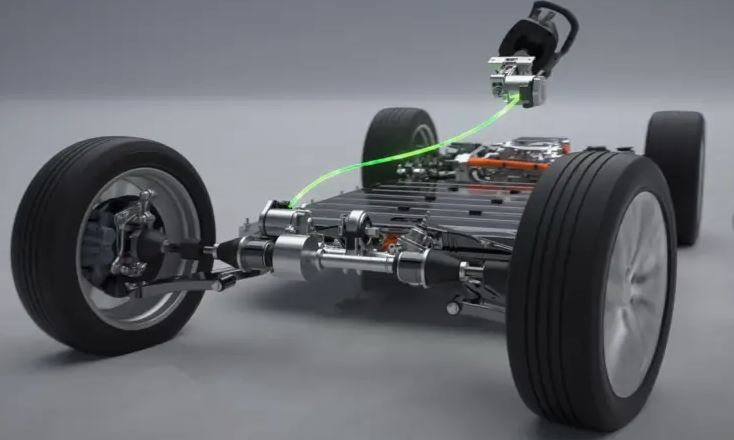
X-by-wire technology encompasses electronic systems that replace conventional mechanical connections for critical vehicle functions such as steering, braking, throttle, and shifting. These systems offer precise control, lighter vehicle weight, and compatibility with modern powertrains, including electric and autonomous vehicles. Manufacturers adopting X-by-wire technologies can gain a competitive edge by integrating advanced systems that improve vehicle performance, reduce emissions, and enhance driver experience.
Throttle-by-Wire Leads the Charge
Among X-by-wire systems, throttle-by-wire (TBW) dominates the market, projected to capture a 30.1% share in 2025. TBW replaces traditional mechanical throttle linkages with electronic sensors and actuators, converting driver input into electrical signals interpreted by the vehicle control unit (VCU). This ensures precise throttle positioning, accounting for variables such as vehicle speed, cargo, and driving conditions.
Buy Now & Save: Premium Market Report at $5,000 | Discount Details Inside:- https://www.futuremarketinsights.com/reports/sample/rep-gb-6324
The advantages of TBW extend beyond precision. It eliminates binding issues in mechanical linkages, improves fuel efficiency, reduces emissions, and enables integration with advanced driver-assistance systems (ADAS), including traction and stability control. For automakers, this technology reduces mechanical complexity, lowers maintenance costs, and supports innovation in vehicle design and performance tuning.
Passenger vehicles are the primary application for TBW, projected to hold 35.6% of the market in 2025. By enhancing safety, responsiveness, and comfort, TBW aligns with consumer expectations and regulatory requirements, driving widespread adoption.
Steer-by-Wire and Brake-by-Wire: Transforming Vehicle Control
Steer-by-wire (SbW) technology is emerging as a key driver of automotive innovation, offering a projected CAGR of 18.1% from 2025 to 2035. By eliminating the mechanical connection between the steering wheel and the front wheels, SbW enables dynamic steering ratios, enhances safety, and opens new opportunities for cockpit design. SbW systems can improve handling at both low and high speeds, allow the steering wheel to remain stationary during autonomous driving, and integrate stowable columns for flexible cabin layouts.
Brake-by-wire systems are similarly transformative, replacing hydraulic brake systems with electronic control. These systems improve response times, braking efficiency, and integration with ADAS features such as automatic emergency braking. For manufacturers, brake-by-wire solutions offer reduced vehicle weight, lower maintenance complexity, and the ability to deliver safer, smarter vehicles to market.
Shift-by-Wire: Next-Level Transmission Control
Shift-by-wire (SBW) technology is revolutionizing transmission systems by replacing traditional mechanical linkages with electronic interfaces. SBW provides smoother gear selection, faster response times, and intelligent adaptability to driving conditions, fuel optimization, and ADAS integration.
Despite challenges such as higher initial costs, cyber-security concerns, and adaptation requirements, SBW offers substantial advantages for manufacturers. Electronic control reduces mechanical complexity, lowers maintenance needs, and allows more flexible cabin and system design. SBW is particularly valuable for electric and hybrid vehicles, enhancing energy efficiency while improving safety and operational reliability.
Global Market Dynamics and Key Players
The X-by-wire market is experiencing strong regional adoption. China dominates East Asia with a projected 68.1% share due to its robust automotive industry and rapid EV growth. The USA leads North America with a 75.6% share, driven by advanced R&D investments and stringent regulatory standards. Germany leads Western Europe at 34.8%, supported by its focus on electric and autonomous vehicle technologies.
Tier 1 players, including ZF Friedrichshafen AG, Robert Bosch GmbH, thyssenkrupp AG, Infineon Technologies AG, and Schaeffler AG, account for 40–45% of the global market, characterized by high production capacity and wide product portfolios. Tier 2 players such as DORLECO, Nexteer Automotive, and Forvia hold significant regional influence with strong technology expertise.
Recent developments underscore the market’s momentum. In 2024, ZF introduced its networked steer-by-wire system, while REE Automotive achieved federal certification for fully by-wire trucks. These innovations exemplify how manufacturers can lead the industry by deploying X-by-wire systems across passenger and commercial vehicles.
Future Outlook: Autonomous and Electrified Vehicles
As the automotive industry embraces electrification and autonomous driving, X-by-wire systems are becoming foundational. They enable precise, reliable control of steering, braking, and throttle, essential for advanced driver-assistance systems and autonomous operation.
Manufacturers leveraging X-by-wire technology can design vehicles with reduced weight, improved energy efficiency, and enhanced user experience. Integration with AI, sensor networks, and machine learning will further refine vehicle responsiveness, safety, and comfort, supporting the next generation of fully autonomous and connected vehicles.
Click Here to Purchase the Report:- https://www.futuremarketinsights.com/checkout/6324
A Strategic Imperative for Manufacturers
The X-by-wire market represents a transformative opportunity for automotive manufacturers seeking growth and innovation. With projected expansion to USD 281 billion by 2035, adoption of throttle-by-wire, steer-by-wire, brake-by-wire, and shift-by-wire systems is no longer optional but essential. These technologies provide enhanced safety, operational efficiency, and flexibility in vehicle design, while also enabling compliance with evolving regulations and the transition to electric and autonomous vehicles.
Manufacturers who invest early in X-by-wire technologies position themselves at the forefront of the automotive revolution, capable of delivering vehicles that meet the highest standards of performance, safety, and sustainability. The future of driving is electric, autonomous, and fully connected—and X-by-wire systems are the critical enabler.
About Future Market Insights (FMI)
Future Market Insights, Inc. (ESOMAR certified, recipient of the Stevie Award, and a member of the Greater New York Chamber of Commerce) offers profound insights into the driving factors that are boosting demand in the market. FMI stands as the leading global provider of market intelligence, advisory services, consulting, and events for the Packaging, Food and Beverage, Consumer Technology, Healthcare, Industrial, and Chemicals markets. With a vast team of over 400 analysts worldwide, FMI provides global, regional, and local expertise on diverse domains and industry trends across more than 110 countries.
Contact Us:
Future Market Insights Inc.
Christiana Corporate, 200 Continental Drive,
Suite 401, Newark, Delaware – 19713, USA
T: +1-347-918-3531
For Sales Enquiries: sales@futuremarketinsights.com
Website: https://www.futuremarketinsights.com
LinkedIn| Twitter| Blogs | YouTube