The global spray dryer market is entering a period of robust growth, with sales anticipated to reach USD 5,671.8 million in 2025 and expand to USD 8,724.2 million by 2035. This reflects a compound annual growth rate (CAGR) of 4.4% over the decade, driven by growing urbanization, evolving lifestyles, and rising domestic income.
Despite the challenges of high equipment costs and complex infrastructure, manufacturers investing in energy-efficient and eco-friendly spray dryers are poised to capture significant market opportunities. Technological advancements enabling low-emission, sustainable operations are reshaping the landscape for manufacturers seeking long-term profitability and compliance with global environmental standards.
Semi-Annual Market Trends Highlight Steady Expansion
Analyzing semi-annual performance from 2025 to 2035, the market shows a consistent upward trajectory. The first half of the period is projected to grow at a CAGR of 4.1%, while the second half is expected to accelerate slightly to 4.7%. This growth trend demonstrates increasing adoption of advanced spray drying systems across multiple sectors, indicating strong revenue realization patterns for stakeholders.
Buy Now & Save: Premium Market Report at $5,000 | Discount Details Inside:- https://www.futuremarketinsights.com/reports/sample/rep-gb-5547
Food and Beverage: The Driving Force
The food and beverage segment dominates the spray dryer market, accounting for the highest application share with a projected CAGR of 5.4% in 2024. Rising disposable incomes and the increasing popularity of ready-to-eat (RTE) and shelf-stable foods are fueling demand for precise, efficient drying solutions. Spray dryers are essential for producing powdered milk, instant coffee, powdered soups, and other high-demand products, maintaining product integrity while reducing moisture content and extending shelf life.
Nutraceuticals and health-focused food products further boost market demand. With consumers increasingly seeking protein powders, vitamins, and other functional ingredients, manufacturers rely on spray drying technology to ensure consistent particle size and quality, essential for both efficacy and consumer trust.
Centrifugal Spray Dryers: Efficiency Meets Scale
Among product types, centrifugal spray dryers hold a significant 45.2% market share in 2024, reflecting their superior efficiency in large-scale operations. Their capability to produce fine, uniform powders with minimal thermal degradation makes them ideal for heat-sensitive applications in food, pharmaceutical, and chemical industries. The rising need for ready-to-use food ingredients and precision drying of active pharmaceutical ingredients (APIs) underscores centrifugal dryers’ importance in modern manufacturing processes.
IoT and Automation: Transforming Manufacturing
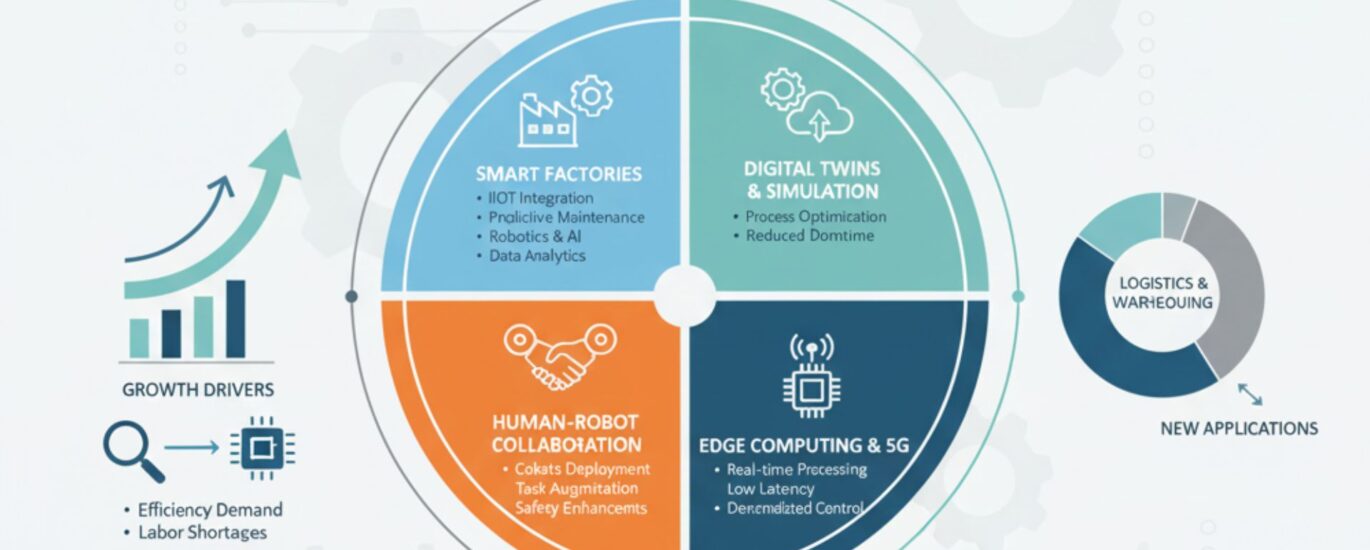
The integration of IoT and automation in spray drying systems is revolutionizing operations. Manufacturers are now able to monitor temperature, pressure, and airflow in real time, enabling predictive maintenance, energy optimization, and consistent product quality. Automation further enhances batch processing, allowing scaling without sacrificing efficiency. These advancements are particularly valuable in the pharmaceutical and food processing sectors, where precision and reliability are critical. IoT-enabled spray dryers are projected to experience adoption growth of over 8% CAGR by 2035, reflecting a global shift toward intelligent manufacturing solutions.
Energy-Efficient and Eco-Friendly Solutions
Sustainability is becoming a core driver in the spray dryer market. Traditional spray drying methods are energy-intensive, but emerging technologies now offer heat recovery systems, advanced insulation, and renewable energy integration. For example, Regenerative Thermal Oxidizers (RTOs) can reduce energy consumption by up to 30%, aligning operational efficiency with regulatory compliance. Manufacturers in dairy, coffee, and infant nutrition industries benefit from these eco-friendly solutions, reducing carbon footprints while improving cost-efficiency and operational resilience.
Pharmaceutical and Biotech Applications Driving Demand
Spray drying is increasingly critical in pharmaceutical and biotechnology manufacturing, particularly for APIs, vaccines, and biologics. Advanced drying technologies ensure precise control over particle size, shape, and stability, essential for drug efficacy. The growth of biologics, predicted to surpass USD 400 billion globally by 2035, is expanding the market for spray drying systems capable of preserving sensitive compounds. Spray drying also enhances vaccine stability and reduces storage costs, supporting global healthcare infrastructure development and pharmaceutical innovation.
Regional Market Insights
The United States leads the spray dryer market in North America, benefiting from a mature food processing and pharmaceutical ecosystem. High adoption of energy-efficient and IoT-enabled systems, along with strong R&D investment, cements the US market’s dominance.
In Asia, India and China are emerging as significant growth markets. India’s booming dairy sector, rising middle-class population, and supportive policies such as the Production Linked Incentive (PLI) scheme are driving adoption of advanced spray dryers. China’s industrial expansion and modernization initiatives, including “Made in China 2025,” are similarly boosting demand across food processing and pharmaceutical sectors.
Click Here to Purchase the Report:- https://www.futuremarketinsights.com/checkout/5547
Competitive Landscape and Market Consolidation
The spray dryer market is moderately fragmented, with Tier 1 companies such as Saka Engineering Systems, C.E. Rogers Company, and Büchi Labortechnik leading through innovation and technological expertise. Mid-sized and local players are focusing on cost-effective solutions for niche applications, while competition intensifies with the introduction of energy-efficient and IoT-enabled systems. Strategic partnerships, mergers, and acquisitions are common approaches for expanding global footprints and accessing untapped regions.
Recent industry developments highlight these trends. Saka Engineering Systems launched an energy-efficient spray dryer for food and pharmaceutical applications, incorporating heat recovery systems and high-efficiency atomizers. C.E. Rogers Company introduced a compact industrial dryer for specialty chemicals, demonstrating the growing emphasis on tailored, high-performance solutions.
About Future Market Insights (FMI)
Future Market Insights, Inc. (ESOMAR certified, recipient of the Stevie Award, and a member of the Greater New York Chamber of Commerce) offers profound insights into the driving factors that are boosting demand in the market. FMI stands as the leading global provider of market intelligence, advisory services, consulting, and events for the Packaging, Food and Beverage, Consumer Technology, Healthcare, Industrial, and Chemicals markets. With a vast team of over 400 analystsworldwide, FMI provides global, regional, and local expertise on diverse domains and industry trends across more than 110 countries.
Contact Us:
Future Market Insights Inc.
Christiana Corporate, 200 Continental Drive,
Suite 401, Newark, Delaware – 19713, USA
T: +1-347-918-3531
For Sales Enquiries: sales@futuremarketinsights.com
Website: https://www.futuremarketinsights.com
LinkedIn| Twitter| Blogs | YouTube