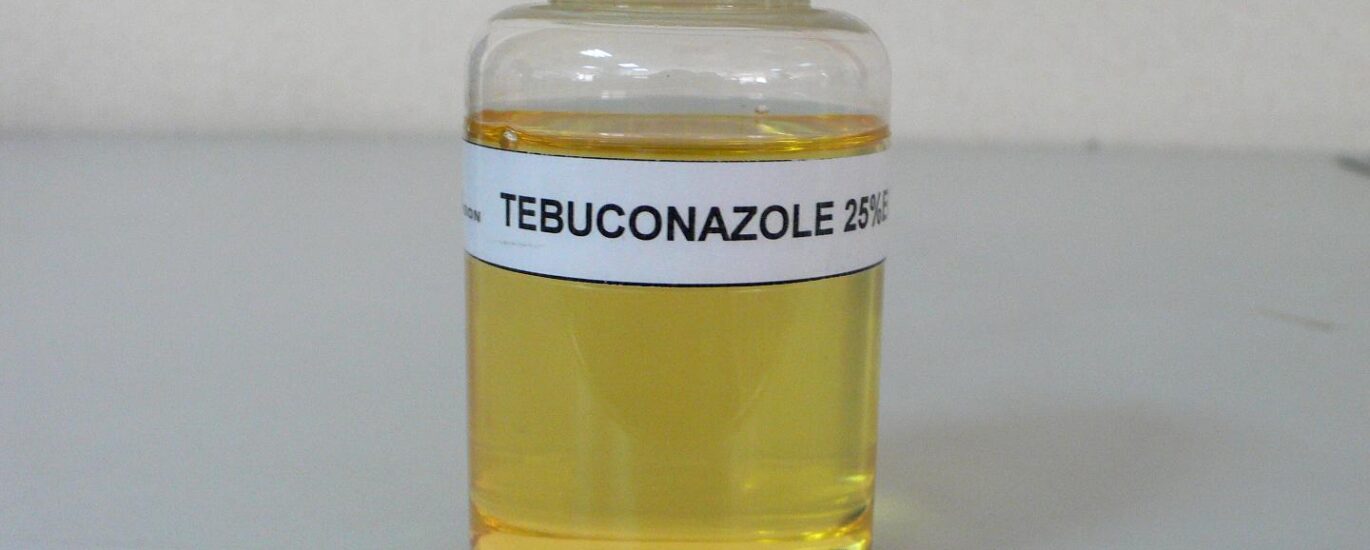
The global tebuconazole epoxide market is poised for strong expansion over the next decade, expected to grow from USD 556.0 million in 2025 to USD 1,328.3 million by 2035, at an impressive CAGR of 9.1%. This consistent rise highlights the growing importance of high-efficiency fungicidal intermediates in the agrochemical industry, which currently accounts for nearly 65% of the total market demand.
As the world faces mounting food security challenges, tebuconazole epoxide is emerging as a critical chemical intermediate used in advanced crop protection formulations. Its role in improving yield, preventing fungal diseases, and ensuring environmental safety has positioned it as an indispensable component in modern agricultural practices.
Market Growth Overview: A Decade of Accelerated Expansion
Between 2025 and 2030, the market is projected to move from USD 359.7 million to USD 556.0 million, reflecting steady demand growth as global farmers adopt advanced fungicidal solutions. The subsequent five years (2030–2035) are expected to witness rapid acceleration, with the market nearly doubling as technological innovation, regulatory approvals, and sustainability initiatives converge to redefine agrochemical production standards.
The Asia Pacific, North America, and Europe regions are expected to lead this transformation. China and India, in particular, are witnessing robust investment in agrochemical manufacturing infrastructure and synthesis technology, positioning themselves as major contributors to global supply and innovation.
Rising Adoption in Agrochemicals and Green Farming
Tebuconazole epoxide’s expanding use across agrochemical applications underscores its vital role in crop protection, pest management, and environmentally responsible farming. Modern agricultural systems are emphasizing integrated pest management (IPM) and precision farming, both of which rely on intermediates like tebuconazole epoxide that combine biological efficiency, cost-effectiveness, and environmental compliance.
The compound contributes 3–5% of the overall agricultural chemicals market and 4–6% of the pesticide segment, illustrating its growing importance in protecting high-value crops such as cereals, fruits, and vegetables. Moreover, its contribution to environmental safety markets (1–3%) demonstrates a strategic shift toward greener chemical synthesis and reduced-impact formulations.
Segmental Insights: Monoepoxides and Agrochemical Applications Lead
By type, monoepoxides hold the largest market share (around 72% in 2025), thanks to their superior synthesis performance, high selectivity, and ease of application in large-scale agrochemical and fine chemical production. Manufacturers are prioritizing monoepoxide technologies to ensure reliable reaction performance and operational efficiency in fungicide intermediate manufacturing.
By application, the agrochemical segment dominates with a 65% market share, driven by the growing demand for intermediates that enable better biological activity and manufacturing consistency. Continuous innovations in fungicidal formulations, coupled with rising awareness about food safety and sustainability, are fostering strong adoption among chemical producers and agricultural solution providers.
Regional Growth Hotspots
Global market dynamics reveal a diverse regional performance pattern:
- China leads with a 12.3% CAGR, supported by its expanding chemical manufacturing base and government-backed industrial modernization.
- India follows with 11.4% CAGR, driven by domestic agrochemical production and modernization of chemical facilities.
- Germany (10.5%) and Brazil (9.6%) continue to strengthen their positions through advanced manufacturing and agricultural innovation.
- The U.S. (8.6%), U.K. (7.7%), and Japan (6.8%) remain key markets emphasizing technology-driven manufacturing and high-quality intermediate adoption.
In Europe, market value is expected to increase from USD 122.3 million in 2025 to USD 292.2 million by 2035, with Germany, France, and the U.K. maintaining their leadership in chemical innovation.
Innovation Trends: Technology, Sustainability, and New Entrants
The market’s next phase of growth is being shaped by the integration of green chemistry, advanced synthesis technologies, and the entry of innovative manufacturers focusing on eco-efficient production. Companies are developing polyepoxide formulations and enhanced synthetic processing methods to improve purity, biological activity, and scalability.
Eco-friendly production has become a core focus, with manufacturers adopting environmentally compliant systems that align with global sustainability goals. This transition not only minimizes environmental impact but also enhances production efficiency and regulatory compliance—key priorities for both established and emerging chemical producers.
Competitive Landscape: Established Giants and Emerging Innovators
The tebuconazole epoxide market remains competitive, with global leaders such as BASF, Bayer, United Phosphorus, Gharda Chemicals, Syngenta, and Rallis spearheading advancements in synthesis, process optimization, and agrochemical innovation.
Meanwhile, emerging manufacturers—including Jiangsu Sevencontinent Green Chemical, Lianhe Chemical Technology, Hubei Benxing New Materials, and Zhejiang Xinan Chemical Industrial Group—are making strategic investments in advanced production systems and purity control technologies to capture new market share. Their efforts to introduce sustainable, high-performance intermediates signal a strong wave of technological democratization across the chemical industry.
Get this Report at $5000 | Exclusive Discount Inside! https://www.futuremarketinsights.com/reports/sample/rep-gb-26706
Unlock Special Offer – Buy now: https://www.futuremarketinsights.com/checkout/26706
Future Outlook
As agriculture continues its digital and sustainable transformation, the demand for reliable chemical intermediates like tebuconazole epoxide is set to surge. Manufacturers—both established and new—are focusing on R&D investments, strategic partnerships, and technological integration to enhance production capacity and product innovation.
By 2035, the market will not only have grown in size but also evolved in purpose—becoming a central pillar in the development of next-generation agrochemicals that balance productivity, profitability, and planetary responsibility.
About Future Market Insights (FMI)
Future Market Insights, Inc. (ESOMAR certified, recipient of the Stevie Award, and a member of the Greater New York Chamber of Commerce) offers profound insights into the driving factors that are boosting demand in the market. FMI stands as the leading global provider of market intelligence, advisory services, consulting, and events for the Packaging, Food and Beverage, Consumer Technology, Healthcare, Industrial, and Chemicals markets. With a vast team of over 400 analysts worldwide, FMI provides global, regional, and local expertise on diverse domains and industry trends across more than 110 countries.
Contact Us:
Future Market Insights Inc.
Christiana Corporate, 200 Continental Drive,
Suite 401, Newark, Delaware – 19713, USA
T: +1-347-918-3531
For Sales Enquiries: sales@futuremarketinsights.com
Website: https://www.futuremarketinsights.com
LinkedIn| Twitter| Blogs | YouTube