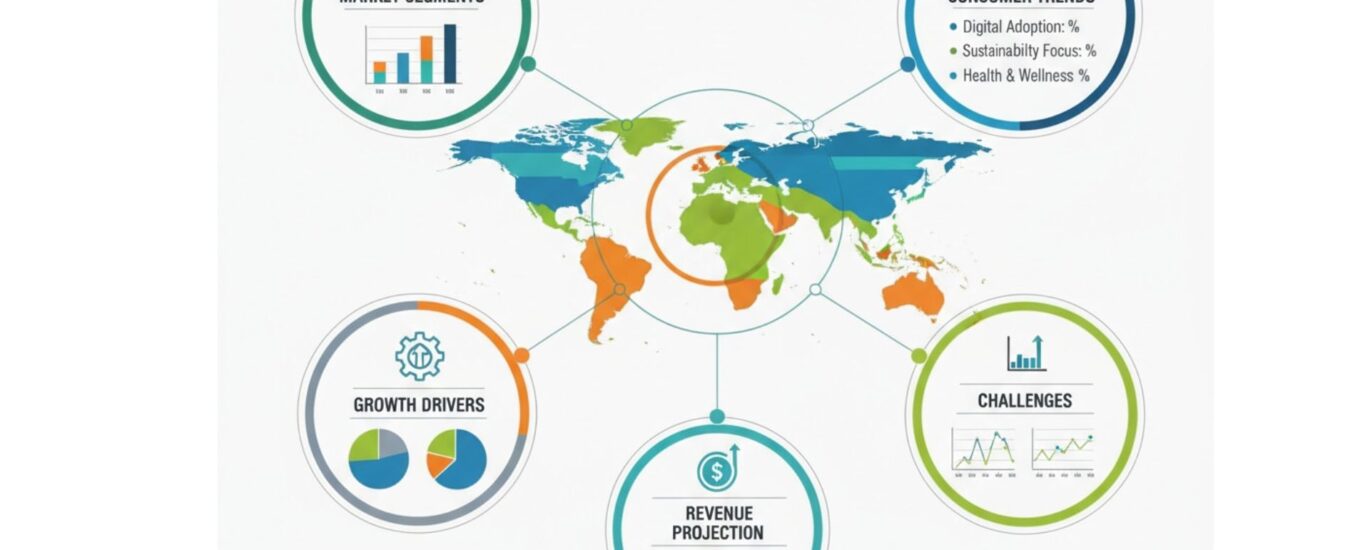
The global smart waste management market is set to experience transformative growth over the next decade. Having reached USD 2,733.1 million in 2024, the market is projected to rise to USD 3,170.5 million in 2025, reflecting a robust year-on-year growth of 15.6%. Analysts forecast that by 2035, the industry will soar to USD 13,986.4 million, driven by a remarkable compound annual growth rate (CAGR) of 16%. This growth underscores an urgent global need for efficient waste solutions amid rising solid waste generation, which currently exceeds 2 billion tons daily, with over a third improperly managed.
Manufacturers face a unique opportunity: by integrating smart waste technologies, they can address pressing urban waste challenges, optimize operational costs, and contribute to sustainability goals, creating both economic and environmental value.
Innovative Technologies Driving Efficiency and Savings
Smart waste management solutions offer tangible operational benefits. Sensor-based bins, RFID tracking, and vacuum containers enable real-time monitoring, allowing waste collection to occur only when necessary. This approach has been shown to reduce collection and transportation costs by up to 50%, while also lowering fuel consumption and labor expenses. For manufacturers, this translates into significant savings and more predictable operational efficiency.
The integration of AI and machine learning further enhances these systems, enabling automated sorting of recyclables, hazardous materials, and organic waste with higher precision. Predictive models forecast waste generation patterns, allowing for optimal scheduling and routing, while automation in sorting facilities improves recycling rates and minimizes contamination. These innovations collectively empower cities and businesses to handle growing waste volumes with fewer resources and greater sustainability.
Buy Now & Save: Premium Market Report at $5,000 | Discount Details Inside:- https://www.futuremarketinsights.com/reports/sample/rep-gb-819
Waste-to-Energy: Turning Liability into Opportunity
Waste-to-energy (WTE) technologies are emerging as a critical component of the smart waste management ecosystem. By converting non-recyclable waste into electricity or heat, WTE solutions address two critical challenges simultaneously: reducing landfill reliance and generating renewable energy. This dual functionality positions WTE as a strategic investment for manufacturers looking to participate in the transition to a circular economy.
Countries such as China, Germany, and the United States are actively promoting WTE adoption through incentives and supportive policies. The technology not only provides an alternative energy source but also helps reduce greenhouse gas emissions, aligns with national sustainability goals, and creates additional revenue streams by monetizing energy generated from waste.
Sanitary Landfills: Maintaining Compliance While Enhancing Sustainability
Sanitary landfills remain a dominant solution in the global market, accounting for 40-45% of value share in smart disposal. Lined with protective materials and equipped with leachate collection and gas management systems, these facilities mitigate environmental contamination, meet stringent regulations, and ensure safe waste disposal. For manufacturers and municipalities, investing in sanitary landfill technologies offers regulatory compliance while supporting sustainable waste handling. Emerging concepts like bio-reactor landfills and solar-integrated sites promise additional environmental benefits, although widespread adoption is still in its early stages.
Addressing Urbanization Challenges Through Smart Waste Solutions
Rapid urbanization has intensified the complexity of waste management in cities worldwide. Smart waste management systems enable efficient collection, enhanced recycling, and optimized resource utilization. IoT-enabled bins, real-time analytics, and AI-powered sorting ensure that urban centers can accommodate increasing waste volumes without escalating costs or environmental impact. For manufacturers, this presents opportunities to design, supply, and implement intelligent systems that meet the demands of evolving urban infrastructures.
Market Dynamics and Regional Growth
The United States leads in the development and deployment of advanced smart waste management technologies, with companies such as Waste Management, Inc., and Republic Services pioneering IoT-enabled bins, AI sorting systems, and automated collection. China and India are experiencing rapid adoption, fueled by urbanization, policy initiatives, and investment in waste-to-energy infrastructure. China’s Waste Sorting Law and India’s Swachh Bharat Abhiyan exemplify national efforts to modernize waste handling and create opportunities for manufacturers in these high-growth markets.
Tiered market structures reveal clear opportunities for manufacturers across all scales. Tier 1 companies dominate globally with extensive portfolios and revenues exceeding USD 500 million, while Tier 2 and Tier 3 enterprises thrive regionally, offering specialized solutions that address localized needs.
Competitive Landscape and Strategic Opportunities
The smart waste management market is characterized by ongoing innovation, mergers, and strategic expansions. Recent acquisitions by Waste Management Inc. and Blue Planet illustrate how leading companies are strengthening portfolios and scaling operations to meet global demand. For manufacturers, partnerships, joint ventures, and technology co-development represent critical strategies to capitalize on this market expansion.
Click Here to Purchase the Report:- https://www.futuremarketinsights.com/checkout/819
Preparing for the Future of Sustainable Waste Management
Between 2025 and 2035, the global market for smart waste management presents a compelling landscape for manufacturers seeking long-term growth. By embracing IoT-enabled technologies, AI-driven analytics, and waste-to-energy solutions, businesses can address rising operational costs, meet sustainability targets, and support urban infrastructure development. Smart waste management is not merely a response to environmental pressure—it is a strategic avenue to transform operational challenges into revenue-generating, sustainable solutions.
Manufacturers entering this space will find themselves at the intersection of technological innovation and societal impact, where investments in efficiency, energy recovery, and regulatory compliance yield both financial and environmental dividends. With global adoption expected to maintain a CAGR of 16% and significant growth in markets such as China, India, and the United States, the opportunity to shape the future of smart waste management has never been greater.
About Future Market Insights (FMI)
Future Market Insights, Inc. (ESOMAR certified, recipient of the Stevie Award, and a member of the Greater New York Chamber of Commerce) offers profound insights into the driving factors that are boosting demand in the market. FMI stands as the leading global provider of market intelligence, advisory services, consulting, and events for the Packaging, Food and Beverage, Consumer Technology, Healthcare, Industrial, and Chemicals markets. With a vast team of over 400 analysts worldwide, FMI provides global, regional, and local expertise on diverse domains and industry trends across more than 110 countries.
Contact Us:
Future Market Insights Inc.
Christiana Corporate, 200 Continental Drive,
Suite 401, Newark, Delaware – 19713, USA
T: +1-347-918-3531
For Sales Enquiries: sales@futuremarketinsights.com
Website: https://www.futuremarketinsights.com
LinkedIn| Twitter| Blogs | YouTube