The Folding Bicycle Market is estimated to be valued at USD 1.0 billion in 2025 and is projected to reach USD 2.0 billion by 2035, registering a compound annual growth rate (CAGR) of 7.2% over the forecast period.
The global folding bicycle market is experiencing dynamic growth as urbanization, environmental consciousness, and demand for convenient, space-saving transportation solutions continue to rise worldwide. Folding bicycles, designed to be compact and portable, are increasingly popular among commuters, travelers, and recreational cyclists who seek flexibility and ease of storage without compromising on performance.
Market Overview: The Appeal of Foldable Mobility
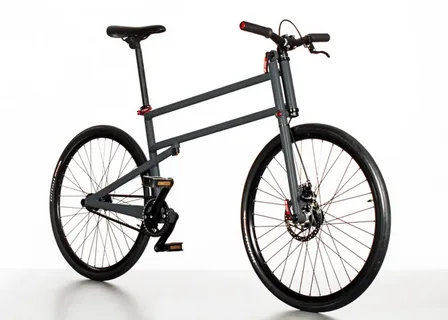
Folding bicycles offer a unique blend of portability, utility, and eco-friendliness that addresses the challenges of modern urban mobility. Designed with hinges and locking mechanisms, these bikes can be folded into compact sizes, allowing users to carry them onto public transportation, store them in small apartments, or transport them in vehicles conveniently. This versatility caters to growing urban populations facing space constraints and traffic congestion.
As cities strive to reduce pollution and encourage sustainable transportation modes, folding bicycles have emerged as a viable alternative to conventional motor vehicles for short-distance travel. Their integration with multimodal transport systems and emphasis on convenience have made them preferred choices in metropolitan areas globally.
Key Drivers of Market Growth: Urbanization, Sustainability, and Lifestyle Trends
Several factors underpin the rapid growth of the folding bicycle market:
-
Rising Urbanization: Increasing urban population density and limited space for vehicle parking drive the demand for compact and portable bicycles suitable for crowded city environments.
-
Environmental Awareness: Growing concerns about climate change and air quality promote the adoption of eco-friendly transit options like bicycles, especially foldable ones that encourage mixed-mode commuting.
-
Changing Commuter Preferences: Modern commuters favor flexible, time-saving transportation solutions that simplify last-mile connectivity and reduce dependency on cars.
-
Technological Advancements: Innovations in lightweight materials, compact folding mechanisms, and electric assist integration enhance the usability, performance, and appeal of folding bikes.
-
Growing Recreational Use: Beyond commuting, folding bicycles cater to leisure riders and travelers who value portability for touring, camping, and seasonal use.
Product Segments: Variety to Meet Diverse Needs
The folding bicycle market features a broad spectrum of product types catering to diverse consumer preferences:
-
Manual Folding Bicycles: Traditional foldable bikes focus on mechanical simplicity, lightweight construction, and easy foldability, ideal for urban commuters.
-
Electric Folding Bikes: Growing rapidly, e-bikes combine compact design with motorized assistance, extending travel range and reducing rider effort, especially valuable in hilly or long-distance commutes.
-
Material Variations: Commonly used materials include aluminum alloys for lightweight durability, steel for strength and affordability, and carbon fiber in premium models for high performance.
-
Folding Mechanism Types: Different folding designs such as vertical fold, horizontal fold, and triangle fold provide varying degrees of compactness, ease of use, and structural rigidity.
Application and Usage Scenarios
-
Urban Commuting: Folding bikes offer an ideal solution for city commuters integrating public transit and bike rides, enabling seamless mobility across multiple transport modes.
-
Travel and Tourism: Travelers favor folding bicycles for their portability when exploring new destinations, easily stowing them in cars, trains, or planes.
-
Residential Convenience: Owners in apartments or small homes benefit from the space-saving storage offered by folding models, avoiding the need for dedicated bike lockers or outdoor storage.
-
Corporate and Campus Transportation: Increasing adoption in business campuses and university environments supports eco-friendly employee and student mobility programs.
Regional Market Dynamics: Growth Hotspots and Adoption Trends
-
Asia-Pacific: Witnessing rapid urbanization, rising disposable incomes, and growing environmental initiatives; major cities in China, Japan, South Korea, and India are significant markets for folding bicycles.
-
Europe: Strong culture of cycling, advanced urban transport policies, and extensive infrastructure support consistently drive demand across western European countries.
-
North America: Urban centers and tech-savvy consumers embrace folding bicycles, particularly electric models, to alleviate congestion and supplement first- and last-mile commuting.
-
Emerging Markets: Increasing awareness of sustainable transport and improving infrastructure opens new opportunities across Latin America, Middle East, and Africa.
Competitive Landscape: Innovation and Consumer-Centric Approaches
The folding bicycle market features diverse manufacturers ranging from specialized boutique brands to global bicycle companies. Competitive factors include innovation in compact folding designs, integration of electric-assist technologies, material quality, and price competitiveness.
Manufacturers are also focusing on customization options, smart connectivity features, and modular accessories to enhance user experience. Strategic partnerships with e-commerce platforms and bike-sharing services enable broader market penetration and convenience for customers.
Future Outlook: Integration and Smart Mobility
The future of the folding bicycle market is aligned with broader smart city initiatives and sustainable urban mobility frameworks. Increased integration with digital navigation, IoT connectivity, and battery technologies will transform the user experience and operational efficiency of folding bikes.
Continued technological advancements, along with growing regulatory support for cycling infrastructure, will sustain market growth. Folding bicycles are set to become central to reducing urban congestion, lowering emissions, and providing agile, enjoyable transport options for future cities.
In summary, the folding bicycle market stands as a key enabler of flexible, sustainable urban mobility, bridging the gap between traditional cycling and modern transportation needs with innovation and convenience.
Get Instant Access for Only $5,000 | Don’t Miss This Exclusive Offer!
https://www.futuremarketinsights.com/reports/sample/rep-gb-7846
Checkout Now to Access Industry Insights:
https://www.futuremarketinsights.com/checkout/7846
About Future Market Insights (FMI)
Future Market Insights, Inc. (ESOMAR certified, recipient of the Stevie Award, and a member of the Greater New York Chamber of Commerce) offers profound insights into the driving factors that are boosting demand in the market. FMI stands as the leading global provider of market intelligence, advisory services, consulting, and events for the Packaging, Food and Beverage, Consumer Technology, Healthcare, Industrial, and Chemicals markets. With a vast team of 400 analysts worldwide, FMI provides global, regional, and local expertise on diverse domains and industry trends across more than 110 countries.
Contact Us:
Future Market Insights Inc.
Christiana Corporate, 200 Continental Drive,
Suite 401, Newark, Delaware – 19713, USA
T: +1-845-579-5705
For Sales Enquiries: sales@futuremarketinsights.com
Website: https://www.futuremarketinsights.com
LinkedIn| Twitter| Blogs | YouTube