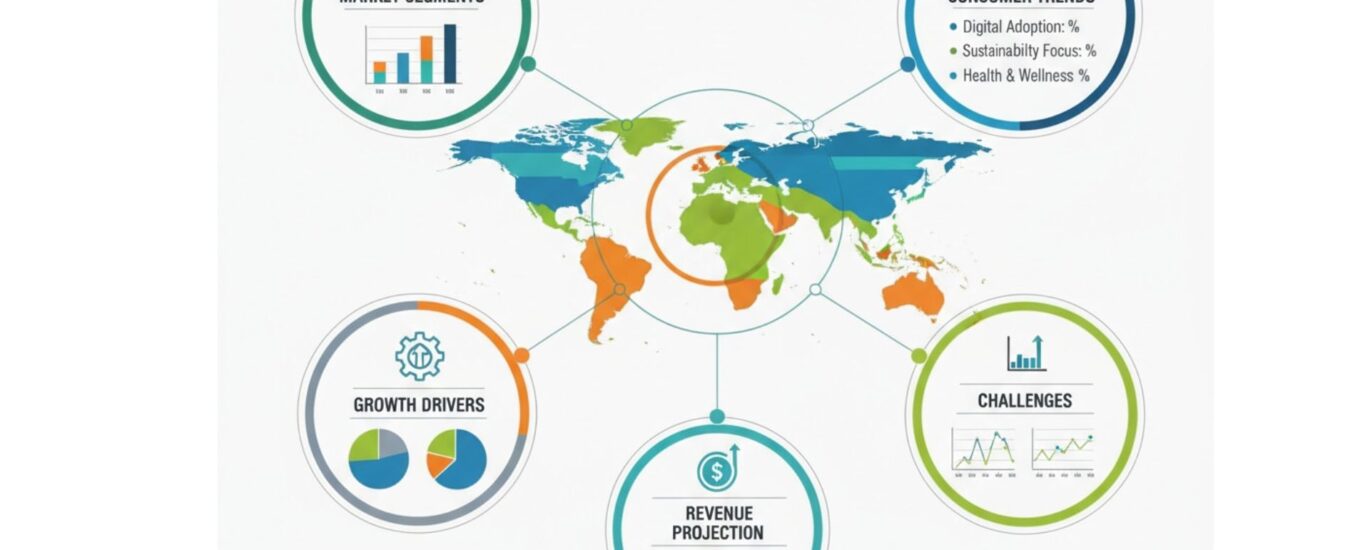
The global fatty esters market continues to demonstrate strong growth, driven by rising demand for sustainable, eco-friendly, and multifunctional chemical solutions across multiple industries. With a market value of USD 2,494.7 million projected for 2025 and expected to expand to USD 3,837.3 million by 2035, the sector is achieving a compound annual growth rate (CAGR) of 4.4%. Fatty esters, including Fatty Acid Methyl Esters (FAME) and glycerol esters, are increasingly recognized for their versatility, biodegradability, and low environmental impact, making them a critical resource for manufacturers aiming to meet regulatory standards and consumer expectations.
FAME Leads Sustainable Industrial Applications
Fatty Acid Methyl Esters (FAME) dominate the market due to their superior oxidation stability, biodegradable nature, and adaptability across diverse sectors. Widely used in biodiesel production, FAME is manufactured through transesterification, converting vegetable or animal fats into renewable fuels that reduce carbon dioxide, hydrocarbon, and particulate emissions. The growing focus on renewable energy mandates in regions such as Europe and North America is fueling demand, offering manufacturers opportunities to expand production in line with climate-conscious regulations.
Beyond biofuels, FAME serves as a critical component in machinery, stationary generators, lubricants, and industrial solvents. Its environmentally friendly characteristics make it particularly valuable in agriculture and food sectors, acting as an efficient carrier for fertilizers and pesticides. For manufacturers, this presents a chance to leverage fatty esters in green product lines that align with global sustainability initiatives.
Buy Now & Save: Premium Market Report at $5,000 | Discount Details Inside:- https://www.futuremarketinsights.com/reports/sample/rep-gb-14714
Methyl Esters and Glycerol Esters Drive Industrial Innovation
Methyl esters, a clear and viscous fluid, are integral to numerous industrial applications, from surfactants and cutting fluid additives to lubricants and plasticizers. They are extensively utilized in cosmetic and pharmaceutical industries, serving as precursors for fragrances and functional additives. Manufacturers can capitalize on these versatile applications to diversify product offerings and optimize operational efficiency.
Glycerol esters are similarly experiencing growing demand due to their multifunctional properties. In the food and beverage industry, they function as antioxidants, softening agents, and emulsification stabilizers, improving consistency and shelf life of products. In cosmetics, glycerol esters enhance stability and performance, while in agriculture, they support nutrient distribution in crops. Manufacturers focusing on these high-demand segments can harness fatty esters to create value-added products that meet consumer expectations for quality and sustainability.
Semi-Annual Growth Trends Highlight Market Opportunities
Analysis of semi-annual market growth reveals increasing momentum, with the CAGR rising from 4.4% in the first half of 2024 to 4.7% in the second half of 2025. This steady upward trajectory underscores the resilience and potential of the fatty esters market. Manufacturers are positioned to benefit from sustained growth by investing in production capacity, expanding product portfolios, and adopting innovative formulations.
High-Potential End-Use Segments for Manufacturers
The cosmetics and personal care sector is projected to hold a 39.8% share of the fatty esters market in 2025, reflecting the rising consumer preference for natural, non-toxic, and biodegradable ingredients. Fatty esters provide emulsifying, moisturizing, and texturizing properties, enhancing haircare, skincare, and personal care formulations. Similarly, biodiesel applications continue to expand, driven by FAME, creating opportunities for manufacturers to support the renewable energy transition.
In addition, the textile industry is increasingly adopting fatty esters as softeners, lubricants, and finishing agents, providing manufacturers with avenues to innovate in eco-friendly fabric production. The food and beverage sector is also witnessing rising demand, with fatty esters acting as stabilizers, emulsifiers, and shelf-life enhancers in bakery, dairy, and processed foods.
Regional Insights: Strategic Markets for Manufacturers
The United States, Germany, and China are key markets driving fatty ester demand. The USA’s robust personal care, pharmaceutical, and biofuel industries are spearheading innovation in biodegradable solutions. Germany leads in industrial excellence and green chemistry adoption, while China’s large-scale production capacity supports industrial, agricultural, and personal care applications. Manufacturers can strategically target these regions to optimize market penetration and capitalize on growing consumer demand for sustainable products.
Click Here to Purchase the Report:- https://www.futuremarketinsights.com/checkout/14714
Market Challenges and Opportunities
Despite the strong growth trajectory, fluctuating raw material prices—driven by palm, coconut, and soybean oil—pose challenges to profitability. Manufacturers must implement strategic sourcing and cost management to maintain margins. Tier 1 companies such as Arkema, BASF SE, and Cargill Incorporated are setting benchmarks with advanced technology, diversified portfolios, and global reach, while Tier 2 players like Krishi Oils Limited and Larodan AB offer regional expertise and targeted solutions.
Positioning Manufacturers for Future Growth
The fatty esters market presents compelling opportunities for manufacturers who prioritize sustainability, innovation, and versatility. With applications spanning biofuels, personal care, cosmetics, textiles, and food, fatty esters provide a high-value, environmentally friendly alternative to traditional chemicals. By aligning production capabilities with growing demand and leveraging the multifunctional properties of FAME, methyl esters, and glycerol esters, manufacturers are well-positioned to drive growth, enhance product offerings, and contribute to a greener, more sustainable industrial landscape.
About Future Market Insights (FMI)
Future Market Insights, Inc. (ESOMAR certified, recipient of the Stevie Award, and a member of the Greater New York Chamber of Commerce) offers profound insights into the driving factors that are boosting demand in the market. FMI stands as the leading global provider of market intelligence, advisory services, consulting, and events for the Packaging, Food and Beverage, Consumer Technology, Healthcare, Industrial, and Chemicals markets. With a vast team of over 400 analysts worldwide, FMI provides global, regional, and local expertise on diverse domains and industry trends across more than 110 countries.
Contact Us:
Future Market Insights Inc.
Christiana Corporate, 200 Continental Drive,
Suite 401, Newark, Delaware – 19713, USA
T: +1-347-918-3531
For Sales Enquiries: sales@futuremarketinsights.com
Website: https://www.futuremarketinsights.com
LinkedIn| Twitter| Blogs | YouTube