The global Vegan Steak market is entering a period of unprecedented growth, projected to reach USD 5,082.8 million by 2035 from an estimated USD 1,579.2 million in 2025, reflecting a robust CAGR of 12.4%. This surge is driven by the convergence of consumer interest in plant-based diets, technological innovation, and sustainable food solutions. For manufacturers, this market presents a unique opportunity to tap into a fast-growing segment that balances profitability with environmental responsibility.
Recent advancements in flavor and texture replication, powered by state-of-the-art food biotechnology, have allowed vegan steak to closely mimic traditional beef, drawing interest not only from vegans but also from flexitarians and meat reducers. These developments underscore the importance of research and development, giving manufacturers a clear pathway to product differentiation and enhanced consumer appeal.
Innovation in Flavor and Technology: A Manufacturer’s Advantage
Key market drivers such as taste and texture innovation provide manufacturers with the tools to develop standout products. Plant protein extrusion currently dominates production technology with a 50% market share, enabling fibrous textures that closely resemble conventional steak. Fermentation technologies, accounting for 30% of market activity, enhance both flavor and nutritional content, while hybrid approaches including 3D printing present new avenues for premium product offerings.
Click Here for More Information:- https://www.futuremarketinsights.com/reports/vegan-steak-market-share-analysis
Leading brands such as Beyond Meat and Impossible Foods have demonstrated the commercial potential of leveraging advanced processing techniques to deliver high-quality vegan steaks at scale. Manufacturers entering the market can gain a competitive edge by adopting these cutting-edge technologies, creating products that satisfy evolving consumer expectations.
Sustainability and Health: Driving Consumer Adoption
The Vegan Steak market is not solely defined by taste but by its alignment with sustainability and wellness. Plant-based alternatives incur fewer environmental costs compared to conventional meat, addressing carbon emission and water scarcity concerns. For manufacturers, emphasizing these environmental benefits in product positioning can strengthen brand perception and foster loyalty among eco-conscious consumers.
Additionally, fortified vegan steak options with protein, iron, and B vitamins appeal to health-conscious buyers seeking functional nutrition. Manufacturers that strategically highlight these benefits can capture new segments of the market, particularly among consumers prioritizing wellness without sacrificing flavor.
Expanding Accessibility Through Retail and Foodservice Channels
Accessibility has emerged as a critical growth lever for the vegan steak sector. Retail channels currently account for 60% of market share, supported by the presence of large supermarkets and online stores. Foodservice applications contribute an additional 30%, with vegan steaks increasingly appearing on menus of restaurants, fast-food chains, and subscription-based meal kits.
Manufacturers can leverage these distribution channels to extend reach, form strategic partnerships, and scale efficiently. Private-label players such as Aldi’s Earth Grown line exemplify how affordability and wide availability can enhance market penetration, offering actionable insights for emerging manufacturers.
Strategic Approaches for Market Leaders
The market structure highlights the importance of differentiated strategies. Tier 1 players, including Beyond Meat and Impossible Foods, dominate 50% of the market by combining R&D investment with global distribution. Tier 2 and Tier 3 brands focus on niche positioning, subscription models, or private-label production, capturing complementary segments.
For manufacturers, adopting a solution-focused approach is essential. Innovating for taste, expanding accessibility through multiple retail and foodservice partnerships, and leveraging sustainability messaging can collectively drive growth. Additionally, the integration of hybrid technologies such as 3D printing and fermentation can create premium product offerings that stand out in an increasingly crowded market.
Get Sample Report: – https://www.futuremarketinsights.com/reports/sample/rep-gb-20744
Market Outlook and Opportunities
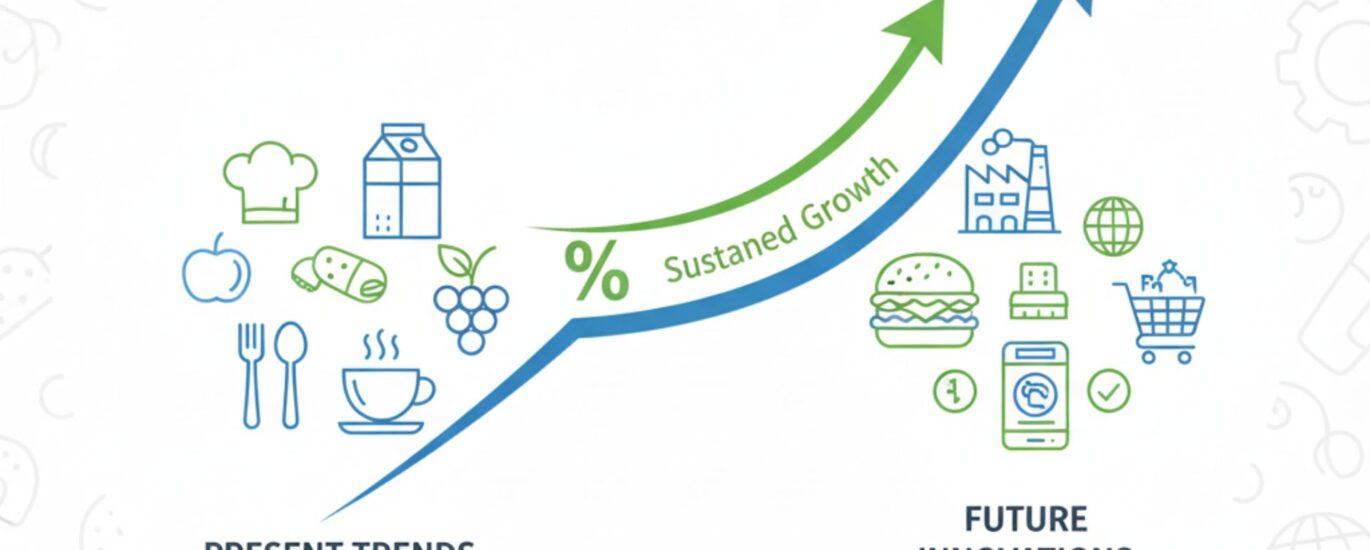
The Vegan Steak market is expected to continue its upward trajectory through 2035. Growth will be fueled by technological advancements, rising consumer awareness of sustainability, and the increasing mainstream adoption of plant-based diets. Manufacturers positioned to innovate in flavor, texture, and nutrition will likely capture the most value.
Emerging markets, particularly in Asia and Latin America, offer untapped potential for expansion, while customization trends—such as allergen-free, high-protein, or nutrient-fortified options—provide further avenues for product differentiation. As vegan steak becomes a standard feature in retail, foodservice, and institutional channels, manufacturers can capitalize on multiple touchpoints to drive both revenue and market share.
About Future Market Insights (FMI)
Future Market Insights, Inc. (ESOMAR certified, recipient of the Stevie Award, and a member of the Greater New York Chamber of Commerce) offers profound insights into the driving factors that are boosting demand in the market. FMI stands as the leading global provider of market intelligence, advisory services, consulting, and events for the Packaging, Food and Beverage, Consumer Technology, Healthcare, Industrial, and Chemicals markets. With a vast team of over 400 analysts worldwide, FMI provides global, regional, and local expertise on diverse domains and industry trends across more than 110 countries.
Contact Us:
Future Market Insights Inc.
Christiana Corporate, 200 Continental Drive,
Suite 401, Newark, Delaware – 19713, USA
T: +1-347-918-3531
For Sales Enquiries: sales@futuremarketinsights.com
Website: https://www.futuremarketinsights.com
LinkedIn| Twitter| Blogs | YouTube