Global insulated coolers market is expected to witness outstanding growth on the account of increasing consumer preference for mobile temperature-controlled storage and perishable food, in the outdoor recreation, food and beverage, and pharmaceuticals sectors. Insulated coolers, designed to maintain the temperature of their contents hot or cold have become ubiquitous on camping trips, picnics and the general transportation of perishable items.
The insulated coolers market is witnessing strong growth as consumers and businesses increasingly prioritize temperature-sensitive storage solutions. Rising demand in food and beverage, pharmaceuticals, outdoor recreation, and e-commerce delivery is driving market expansion. Established manufacturers and new entrants alike are investing in research, technology, and product development to provide high-performance, durable, and energy-efficient cooling solutions.
Material and Technology Insights: Balancing Performance and Efficiency
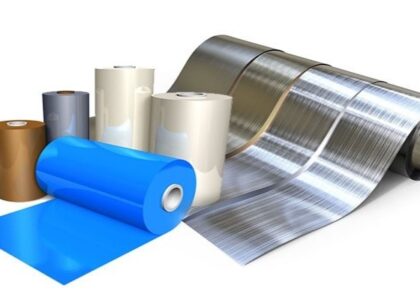
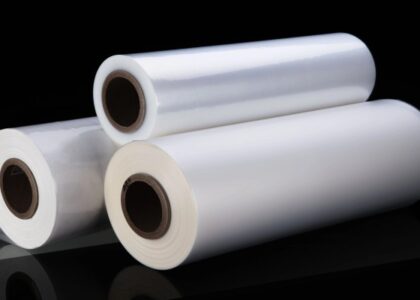
Insulated coolers are designed with advanced materials that offer superior thermal retention while remaining lightweight and durable. Manufacturers are adopting polyurethane foam, vacuum insulation panels, and eco-friendly composites to enhance performance and meet sustainability expectations.
Technological innovations focus on improving heat retention, leak-proof sealing, and ergonomic design, ensuring that coolers remain effective across multiple applications. Modular and customizable designs allow businesses to adapt products for diverse consumer needs, from outdoor enthusiasts to commercial cold chain logistics providers.
End-Use Dynamics: Food, Beverages, and Pharmaceuticals Lead Demand
The food and beverage industry represents a major driver for insulated coolers, as cold storage and transport of perishable goods are critical for quality and safety. Pharmaceutical and biotechnology sectors also rely heavily on insulated solutions to maintain product integrity and comply with strict temperature control regulations.
The rise of online grocery and meal kit delivery services has further fueled demand for reliable coolers. Efficient temperature retention, easy handling, and reusable designs are highly valued by both commercial users and individual consumers.
Full Market Report available for delivery. For purchase or customization, please request here:
https://www.futuremarketinsights.com/reports/sample/rep-gb-10792
Sales Channels: Distributors and Retail Partnerships Enhance Reach
Distribution networks and retail partnerships play a significant role in the adoption of insulated coolers. Specialized distributors, commercial suppliers, and e-commerce platforms ensure timely delivery, technical support, and access to diverse product lines.
Manufacturers are increasingly collaborating with distributors to provide customized solutions, after-sales service, and logistical support, enabling businesses to meet varying demands efficiently. Expansion of sales channels helps products reach both industrial users and end consumers, fostering broader market penetration.
Regional Insights: Industrial Hubs and Consumer Markets Drive Growth
Regions with strong industrial and consumer activity are leading the adoption of insulated coolers. Industrial centers with high production volumes, as well as urban areas with growing demand for fresh and temperature-sensitive products, are driving market expansion.
Sustainability-focused regions are encouraging the use of eco-friendly insulation materials and reusable designs, aligning with regulatory trends and consumer preferences. Emerging markets are also witnessing increased adoption as logistics, cold chain infrastructure, and outdoor recreational activities continue to grow.
Industry Trends: Innovation and Sustainability at the Forefront
Innovation and sustainability are shaping the insulated coolers market. Manufacturers are developing energy-efficient designs, improved insulation technology, and modular solutions that reduce material usage while maintaining thermal performance.
Trends such as smart coolers with temperature monitoring, lightweight materials for easier transport, and customizable compartments for different applications are gaining traction. Consumer preference for reusable and environmentally responsible products continues to drive the demand for sustainable insulated solutions.
Technological Advancements: Smart and Durable Cooling Solutions
Technological advancements are enhancing cooler performance and usability. Features such as digital temperature control, ergonomic handles, reinforced lids, and integrated ice retention systems provide both convenience and reliability.
Manufacturers are focusing on durability and resilience, designing coolers that withstand rough handling, long-distance transport, and extreme temperatures. Innovations in material science, such as advanced polymers and high-density foams, are enabling longer-lasting, high-performance products for diverse end-use applications.
Competitive Landscape: Established Players and New Entrants
The insulated coolers market is competitive, with both global brands and new entrants striving to innovate and expand. Established companies are investing in product diversification, sustainability, and automation to maintain market share.
New players are exploring niche opportunities by offering customized, portable, and lightweight coolers catering to outdoor, recreational, and specialized commercial segments. Collaboration with distributors, retailers, and logistics partners further enhances market presence and product adoption.
Outlook: Sustained Growth Through Innovation and Consumer Focus
The insulated coolers market is expected to continue growing, driven by the need for efficient, durable, and environmentally responsible cooling solutions. Ongoing innovation in materials, insulation technology, and design will help manufacturers meet evolving consumer and industrial needs.
As industries such as food and beverage, pharmaceuticals, and e-commerce expand, demand for reliable temperature-controlled solutions will rise. Established brands and new entrants are well-positioned to capitalize on this growth, delivering products that combine performance, sustainability, and user-friendly features to meet the market’s future requirements.