The global inulin market is set for steady growth over the next decade, fueled by rising consumer awareness of digestive health, plant-based eating, and the demand for functional ingredients. According to the latest industry outlook, the market is valued at USD 1,795.0 million in 2025 and is projected to reach USD 2,532.0 million by 2035, reflecting a CAGR of 3.5% between 2025 and 2035.
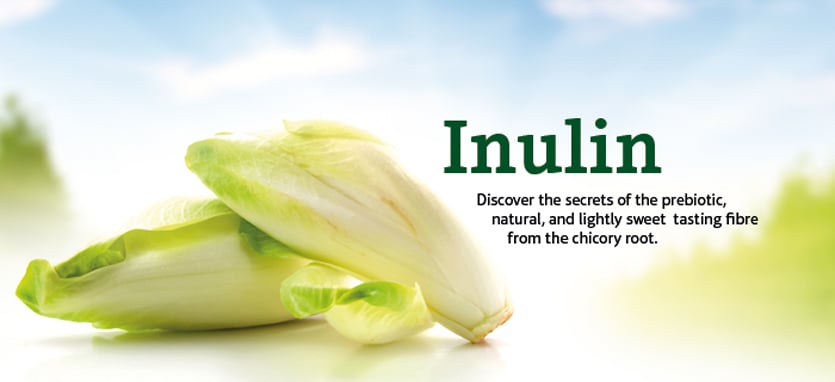
Inulin, a naturally occurring soluble fiber extracted from plants such as chicory root and Jerusalem artichokes, is widely recognized for its prebiotic benefits. It nourishes beneficial gut bacteria like bifidobacteria, helping to enhance digestive health, strengthen immunity, and improve nutrient absorption. Its functionality and versatility have secured its place in a wide range of food and beverage applications—from yogurts and smoothies to plant-based snacks and fortified beverages.
Stay Informed – Request a Sample Copy for Exclusive Insights: https://www.futuremarketinsights.com/reports/sample/rep-gb-18436
Fiber Awareness Driving Demand
Modern consumers are more proactive about their well-being, with dietary fiber at the center of health-conscious choices. Inulin offers food manufacturers a way to increase fiber content without compromising taste or texture. This makes it especially popular in dairy alternatives, functional beverages, and health bars.
Health authorities worldwide have emphasized the role of fiber in weight management, digestive balance, and reducing the risk of chronic illnesses. This has prompted manufacturers to accelerate innovation in fiber-rich, plant-forward product lines that meet both taste expectations and nutrition goals.
Semi-Annual Market Trends Indicate Accelerated Growth
A closer look at semi-annual CAGR trends shows encouraging momentum. In 2024, the inulin market grew at a moderate pace—2.8% in H1 and 3.1% in H2. By 2025, growth picked up, with 3.4% in H1 and a stronger 3.9% in H2. This pattern highlights increasing consumer adoption and signals that manufacturers are aligning well with market demand through new product innovations.
Key Industry Growth Drivers
- Plant-Based Diets
As vegan and vegetarian diets gain traction globally, inulin has emerged as a star ingredient in plant-based formulations. Beyond its nutritional value, it improves mouthfeel, texture, and stability in meat substitutes, dairy-free yogurts, and functional snacks—helping brands deliver products that appeal to health-conscious consumers. - Personalized Nutrition
Inulin is adaptable for a range of health-focused benefits—gut health, weight management, and metabolic support. This makes it a preferred choice in customized supplements and functional foods, catering to consumers who want products tailored to their personal wellness goals. - Functional Beverages
The functional drinks category, including probiotic beverages, fortified waters, and health tonics, is increasingly incorporating inulin. Its prebiotic qualities enhance gut health while boosting the fiber profile of beverages, making it a dual-benefit ingredient.
Regional Insights: Where Growth is Strongest
- United States: Projected to reach USD 379.8 million by 2035, driven by the surge in plant-based products and fiber awareness.
- Germany: Valued at USD 253.2 million by 2035, where strong public campaigns emphasize the role of dietary fiber in wellness.
- China: Estimated at USD 202.6 million by 2035, with government-led nutrition programs encouraging fiber consumption.
- India and Japan: Emerging as attractive markets, benefiting from the rise of functional foods and changing dietary preferences.
Market Concentration and Competitive Landscape
The inulin industry is shaped by three tiers of players:
- Tier 1 Leaders: Large global firms like Beneo GmbH, Cargill, Tate & Lyle, and Royal DSM, which hold 40–50% of market share. These companies focus heavily on R&D, sustainability, and large-scale distribution, driving innovation across categories.
- Tier 2 Innovators: Mid-sized companies such as Ingredion, Sensient Technology Corporation, and Frutarom (IFF). They specialize in regional insights and niche applications, helping them maintain strong competitive positions.
- Tier 3 Niche Players: Smaller, often local brands with revenues under USD 5 million. Despite limited reach, these companies are nimble and responsive to local trends, allowing them to capture consumer loyalty in specialized markets.
Category Insights: The Rise of Liquid Inulin
In 2025, liquid inulin will account for 42% of the market, thanks to its ease of integration into beverages, sauces, and dairy alternatives. Its ability to blend without affecting taste or texture makes it the go-to form for food and beverage manufacturers exploring convenient health-forward solutions
Competitive Outlook: Established and Emerging Players
Major brands are expanding their portfolios and leveraging technology to maximize inulin’s potential.
- Beneo emphasizes innovation and sustainability, offering chicory root-based inulin solutions.
- Cargill continues to expand its dietary fiber offerings, investing in R&D to meet rising consumer demand.
- Tate & Lyle focuses on sugar-reduction strategies with inulin as a core ingredient in low-sugar, high-fiber product lines.
- Ingredion is actively investing in new technologies and partnerships to enhance inulin functionality in food and beverage applications.
Meanwhile, emerging companies and regional manufacturers are increasingly entering the market, capitalizing on organic, clean-label, and plant-based trends. Their agility allows them to quickly adapt to consumer needs, particularly in fast-growing economies across Asia-Pacific and Latin America.
Get the Report Brochure Now: https://www.futuremarketinsights.com/reports/brochure/rep-gb-18436
Outlook: Inulin’s Expanding Role in Functional Foods
Between 2025 and 2035, the global inulin market is expected to see sustained growth, not only from major industry leaders but also from smaller, innovative firms. As consumers demand healthier, more personalized, and plant-based choices, inulin is positioned as a functional powerhouse ingredient.
The next decade will see companies—both established giants and agile newcomers—pioneering new technologies, sustainable sourcing practices, and innovative formulations that will shape the future of the inulin market worldwide.
About Future Market Insights (FMI)
Future Market Insights, Inc. (ESOMAR certified, recipient of the Stevie Award, and a member of the Greater New York Chamber of Commerce) offers profound insights into the driving factors that are boosting demand in the market. FMI stands as the leading global provider of market intelligence, advisory services, consulting, and events for the Packaging, Food and Beverage, Consumer Technology, Healthcare, Industrial, and Chemicals markets. With a vast team of over 400 analysts worldwide, FMI provides global, regional, and local expertise on diverse domains and industry trends across more than 110 countries.
Contact Us:
Future Market Insights Inc.
Christiana Corporate, 200 Continental Drive,
Suite 401, Newark, Delaware – 19713, USA
T: +1-347-918-3531
For Sales Enquiries: sales@futuremarketinsights.com
Website: https://www.futuremarketinsights.com
LinkedIn| Twitter| Blogs | YouTube