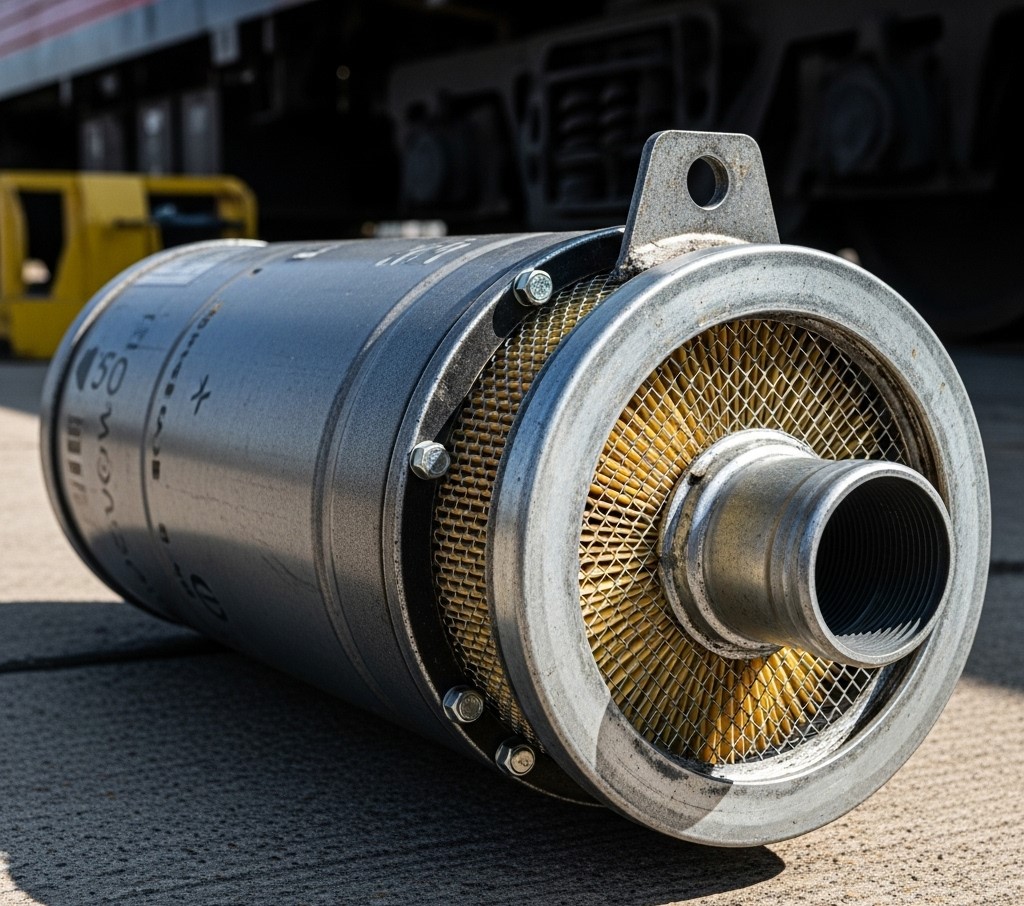
The railway air filter market is set for strong expansion over the next decade. Valued at USD 315.1 million in 2025, the industry is projected to reach USD 548.6 million by 2035, registering a compound annual growth rate (CAGR) of 5.7%. This steady upward trend reflects rising investment in rail infrastructure, the integration of advanced filtration technologies, and the growing emphasis on passenger comfort and safety across global railway systems.
The global railway air filter market is poised for robust growth between 2025 and 2035, driven by increasing demand for clean and fresh air in passenger cabins, enhanced HVAC systems, and rapid expansion of railway infrastructure across emerging and developed economies.
Full Market Insights Available. Inquire for Customization or Purchase https://www.futuremarketinsights.com/reports/sample/rep-gb-16108
Report Coverage & Deliverables:
- Global market size, trends, and projections from 2025 to 2035
- Detailed segmentation by type (air intake vs. cabin air filters) and propulsion type (ICE/hybrid vs. electric)
- Regional analysis covering North America, Europe, and Asia-Pacific, including country-specific insights for the USA, UK, EU, Japan, and South Korea
- Key players’ competitive landscape, market shares, and strategic initiatives
- Technological innovations in filtration, including HEPA-grade filters, activated carbon, nanofiber coatings, and AI-enabled predictive maintenance
- Sustainability and eco-friendly manufacturing practices for railway air filters
Key Factors Shaping Market Dynamics:
- Rising passenger awareness and government regulations for indoor air quality
- Technological innovation, including AI-enabled sensors, self-cleaning filters, and predictive maintenance tools
- Expansion of railway networks, especially in high-density countries such as China, India, and Indonesia
- Electrification of rail systems driving adoption of energy-efficient and environmentally sustainable filters
- Post-pandemic concerns about airborne diseases, emphasizing HEPA and activated carbon filter deployment
Key Takeaways:
- Market projected to grow from USD 315.1 million in 2025 to USD 548.6 million in 2035 at a CAGR of 5.7%
- Air intake filters dominate the market, accounting for 54% of demand in 2025
- ICE and hybrid propulsion systems maintain lead, with 61% market share, despite the growth of electric trains
- Technological innovations such as nanofiber coatings, antimicrobial impregnations, and real-time air monitoring sensors are transforming industry standards
- Manufacturers face challenges due to harsh environmental conditions and varying HVAC specifications across regions, offering opportunities for modular and adaptable filter solutions
Regional Analysis:
North America:
- Growth driven by commuter and freight rail expansion, along with modernization plans in the USA and Canada
- Infrastructure investments, such as the Infrastructure Investment and Jobs Act, boost HVAC and air filtration upgrades
- Focus on longer-lasting, energy-efficient filters for reduced maintenance
Europe:
- Germany, France, UK, and the Netherlands are leaders in high-speed and intercity rail adoption
- Regulatory emphasis on sustainability drives recyclable and eco-friendly filter systems
- Cabin air quality monitoring with real-time sensors is becoming standard
Asia-Pacific:
- Fastest-growing market due to massive railway infrastructure projects in China, India, and Indonesia
- High-speed rail adoption in Japan, South Korea, and China increases demand for advanced cabin and engine air filters
- Government-backed funding and rising middle-class ridership are key drivers
Challenges & Opportunities:
Challenges:
- Exposure to dust storms, industrial emissions, and seasonal contaminants reduces filter efficiency
- Variability in train compositions and HVAC requirements complicates universal filter design
- Balancing filtration efficiency with airflow and energy consumption remains a core concern
Opportunities:
- Growing emphasis on cabin health and indoor air quality
- Electrification of rail systems requiring energy-efficient, compatible filtration solutions
- Smart HVAC integration using AI sensors for real-time air monitoring and predictive maintenance
- Development of modular, biodegradable, and recyclable filtration systems
Key Segments of Market Report:
By Type:
- Air Intake Filters: 54% market share (2025) – protect engines from dust and particulates, critical for harsh environments
- Cabin Air Filters: Focused on passenger comfort and regulatory compliance, with growing adoption for urban transit systems
By Propulsion Type:
- ICE and Hybrid Vehicles: 61% market share – continued dominance due to existing global rail fleets
- Electric Vehicles: Niche segment with increasing adoption in high-speed and city-center rail operations
Competitive Outlook:
- The market is shaped by innovation, regulatory compliance, and passenger comfort demands
- Top Players & Estimated Market Share:
- MANN+HUMMEL GmbH: 20–25%
- Parker Hannifin Corporation: 15–20%
- Freudenberg Filtration Technologies: 10–15%
- Donaldson Company, Inc.: 8–12%
- AFE Airfilter Europe: 5–8%
- Others: 20–30%
Company Highlights:
- MANN+HUMMEL: High-efficiency HEPA filters for high-speed trains; strong expansion in Asia
- Parker Hannifin: Smart, energy-efficient filters with real-time monitoring integration
- Freudenberg Filtration Technologies: Sustainable, premium-quality air filters
- Donaldson Company, Inc.: Compact systems for retrofitting older trains, extending service life
- AFE Airfilter Europe: Customizable solutions and AI-driven customer engagement
Stay Ahead – Grab the Report: https://www.futuremarketinsights.com/reports/brochure/rep-gb-16108
About Future Market Insights (FMI)
Future Market Insights, Inc. (ESOMAR certified, recipient of the Stevie Award, and a member of the Greater New York Chamber of Commerce) offers profound insights into the driving factors that are boosting demand in the market. FMI stands as the leading global provider of market intelligence, advisory services, consulting, and events for the Packaging, Food and Beverage, Consumer Technology, Healthcare, Industrial, and Chemicals markets. With a vast team of over 400 analysts worldwide, FMI provides global, regional, and local expertise on diverse domains and industry trends across more than 110 countries.
Contact Us:
Future Market Insights Inc.
Christiana Corporate, 200 Continental Drive,
Suite 401, Newark, Delaware – 19713, USA
T: +1-347-918-3531
For Sales Enquiries: sales@futuremarketinsights.com
Website: https://www.futuremarketinsights.com
LinkedIn| Twitter| Blogs | YouTube