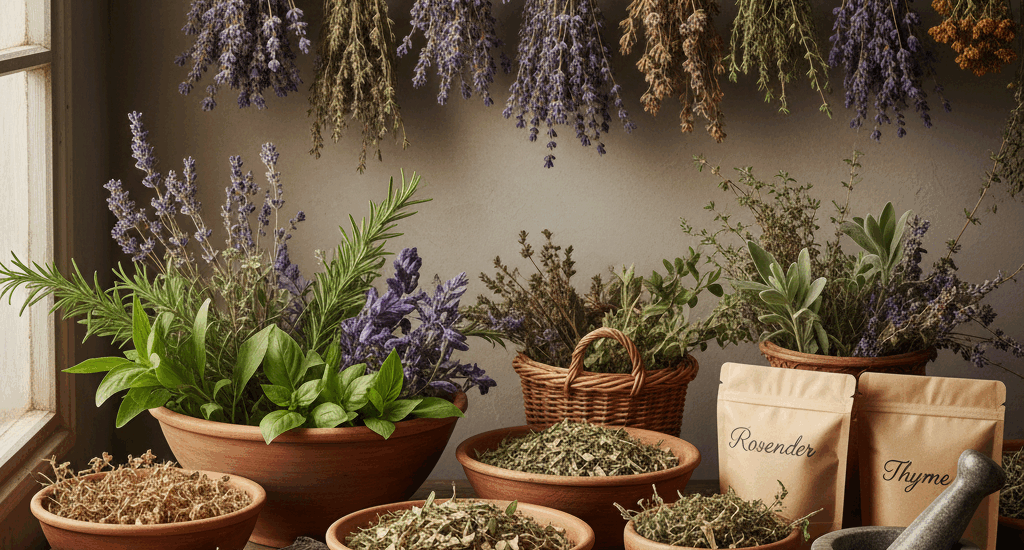
The global dried herbs market is on a steady upward trajectory, projected to grow from USD 4.1 billion in 2025 to USD 6.8 billion by 2035, expanding at a CAGR of 5.2%. This stable yet resilient growth reflects consumers’ rising preference for natural flavorings, clean-label ingredients, and functional food formulations.
Full Market Report available for delivery. For purchase or customization, please request here – https://www.futuremarketinsights.com/reports/sample/rep-gb-23430
A Market Growing in Flavor and Function
Between 2025 and 2026, the market is expected to climb by nearly USD 0.2 billion, setting the tone for consistent year-on-year expansion through 2035. While absolute gains remain steady, the growth rate gradually tapers as the sector matures—signaling a reliable, long-term market outlook rather than short-lived spikes.
This growth is anchored in several factors:
- Health-conscious consumption is driving the use of basil, oregano, rosemary, and thyme in everyday cooking.
- Advancements in drying technology, including freeze-drying, infrared, and vacuum dehydration, are helping retain the natural aroma, flavor, and medicinal properties of herbs.
- Wider adoption across industries—from food and beverages to personal care, pharmaceuticals, and nutraceuticals—demonstrates the versatile appeal of dried herbs.
Opportunities for Both Established and Emerging Players
Industry leaders like McCormick & Company, British Pepper & Spice, The Fuchs Group, and Elite Spice continue to set benchmarks in quality and innovation with their global sourcing and vertically integrated production systems. These companies are investing heavily in traceability, packaging innovations, and sustainability measures to maintain leadership in a competitive market.
Meanwhile, niche specialists such as Kräuter Mix, Euroma, Organic Herb, and Husarich are tapping into growing consumer interest in organic-certified and gourmet blends. Their focus on pesticide-free cultivation, premium positioning, and partnerships with foodservice providers gives them a strong foothold in Europe and beyond.
New and emerging manufacturers also see an open door. Startups and regional processors are leveraging solar dehydration systems, small-scale vacuum packaging, and direct e-commerce distribution to compete against bigger brands. By catering to local tastes—such as tulsi and fennel in India or herbal teas in the UK—these players are strengthening their business while introducing new product concepts.
Basil and Powdered Herbs Lead the Way
Among product segments, basil is forecasted to account for nearly 19% of market share in 2025, reflecting its popularity in Mediterranean, plant-based, and fusion cuisines. At the same time, powdered herbs will represent about 37% of revenues, thanks to their ease of use in industrial processing, supplements, and culinary applications where consistent flavor release is critical.
The food and beverages sector remains the dominant application, capturing more than 61% of revenues in 2025. From soups, sauces, and bakery items to ready-to-eat meals and herbal teas, dried herbs are increasingly becoming a staple ingredient in both traditional and contemporary food categories.
Regional Growth Highlights
- China (CAGR 7.0%) leads the global market with strong cultivation and export networks, backed by advanced sterilization and dehydration capabilities.
- India (CAGR 6.5%) continues to thrive with its Ayurvedic heritage and rising demand for herbal teas and supplements.
- Germany and France are fueling Europe’s herbal infusions and clean-label products with premium offerings.
- The United States (CAGR 4.4%) is seeing steady demand across ready meals, organic spice blends, and natural preservatives.
Evolving Consumer and Industry Trends
The market is also shaped by exciting new trends:
- Garden-to-glass cocktails and mixology are introducing dried herbs into bars and restaurants as infusions and garnishes.
- Chefs are reviving underutilized herbs like tarragon, sparking renewed interest in forgotten flavors.
- Clean-label cosmetics are increasingly blending dried lavender, chamomile, and calendula into creams, shampoos, and oils, broadening the market beyond food.
Get the Report Brochure Now: https://www.futuremarketinsights.com/reports/brochure/rep-gb-23430
Looking Ahead
With global momentum behind natural flavors and wellness-driven lifestyles, the dried herbs market presents significant opportunities for innovation and expansion. Established players are expected to double down on sustainability and advanced processing, while new entrants can thrive by focusing on authenticity, traceability, and localized product innovation.
The sector’s stable growth, coupled with dynamic shifts in consumer behavior, ensures that dried herbs will remain a core ingredient in both kitchens and wellness products worldwide.
About Future Market Insights (FMI)
Future Market Insights, Inc. (ESOMAR certified, recipient of the Stevie Award, and a member of the Greater New York Chamber of Commerce) offers profound insights into the driving factors that are boosting demand in the market. FMI stands as the leading global provider of market intelligence, advisory services, consulting, and events for the Packaging, Food and Beverage, Consumer Technology, Healthcare, Industrial, and Chemicals markets. With a vast team of over 400 analysts worldwide, FMI provides global, regional, and local expertise on diverse domains and industry trends across more than 110 countries.
Contact Us:
Future Market Insights Inc.
Christiana Corporate, 200 Continental Drive,
Suite 401, Newark, Delaware – 19713, USA
T: +1-347-918-3531
For Sales Enquiries: sales@futuremarketinsights.com
Website: https://www.futuremarketinsights.com
LinkedIn| Twitter| Blogs | YouTube