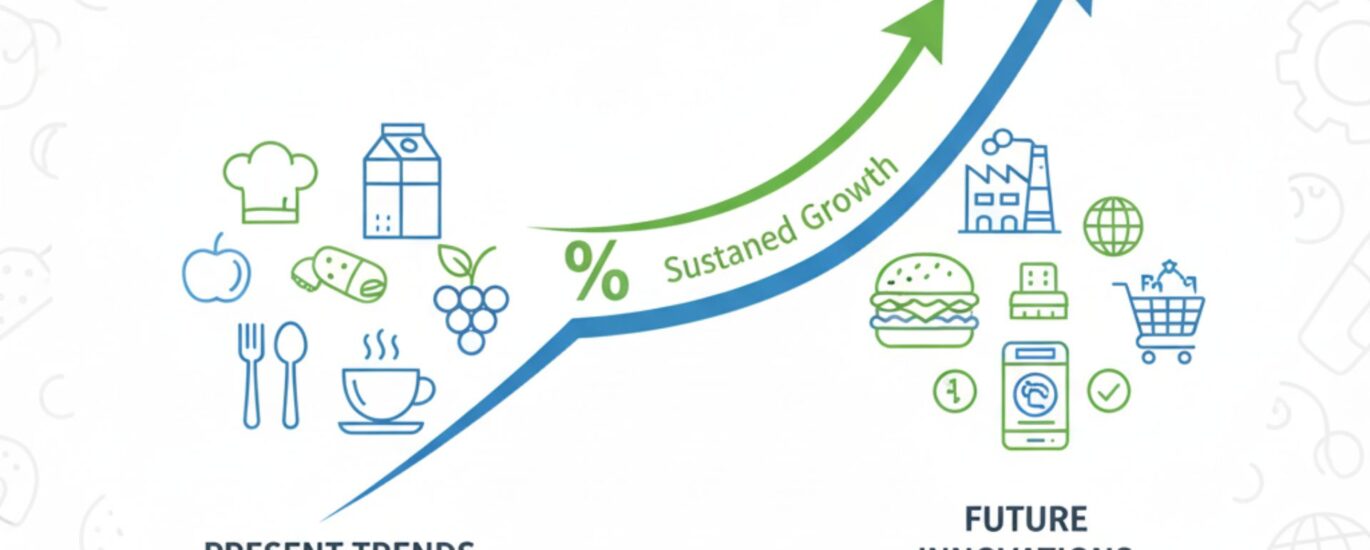
The freeze-dried food sector is emerging as a high-potential market for manufacturers in Germany, forecasted to grow at a 5.09% CAGR from 2025 to 2035. Valued globally at USD 32.3 billion in 2025 and projected to reach USD 59.7 billion by 2035, the market offers manufacturers a unique opportunity to align with evolving consumer demands for convenient, nutrient-dense, and shelf-stable products.
This growth is underpinned by a convergence of factors that directly address the challenges faced by manufacturers: the need for high-quality, long-lasting products, the demand for versatile ingredient forms, and pressure to innovate sustainably without compromising margins.
Market Dynamics Driving Manufacturer Advantage
Germany’s freeze-dried food market is characterized by its advanced food processing capabilities, ensuring consistent quality and a strong domestic supply chain. Conventional freeze-dried products dominate with 85% of the market share, offering cost-effective solutions for manufacturers seeking to scale production while maintaining profitability. Powdered freeze-dried foods account for nearly 48% of the market, providing easy-to-use ingredients for beverages, infant nutrition, and functional foods.
For manufacturers, this signals an opportunity to invest in product formats that are both industrially scalable and highly demanded by B2B clients such as bakeries, beverage producers, and health-focused food brands. Powdered and granulated formats, in particular, allow for streamlined integration into existing manufacturing workflows, reducing complexity and production costs.
Click Here for More Information:- https://www.futuremarketinsights.com/reports/freeze-dried-food-market
Consumer Trends Shaping Production Strategies
The German consumer base increasingly favors nutrient-rich, convenient foods that retain flavor and vitamins without refrigeration. Rising health consciousness, a preference for additive-free and natural ingredients, and growing adoption of outdoor and emergency-ready foods are driving demand.
For manufacturers, these trends highlight the importance of developing products that meet functional, clean-label, and eco-conscious criteria. Innovations in freeze-drying technology, such as vacuum freeze-drying and controlled ice nucleation, support the creation of superior-quality products that preserve nutritional content and taste—a direct competitive advantage in both domestic and export markets.
Regional and Global Context
Germany’s market is part of a broader European and global ecosystem where freeze-dried foods are increasingly sought after. Export opportunities abound, as countries with limited domestic freeze-drying capacity, including Japan, South Korea, and Brazil, seek high-quality imports. Manufacturers with robust production infrastructure in Germany can leverage these international trends, scaling operations to meet both domestic and global demand.
North America remains the fastest-growing region, led by the USA with a projected CAGR of 5.3%, while the UK grows at 4.8% and Japan at 4.5%. Germany’s 5.09% growth rate positions it as a competitive hub for both innovation and export-ready production, giving manufacturers an advantage in capturing high-value markets abroad.
Addressing Manufacturing Challenges
While opportunities are strong, manufacturers must navigate challenges such as high energy costs, capital-intensive production, and stringent environmental regulations. German companies benefit from advanced manufacturing technology and established infrastructure, mitigating some of these pressures.
Strategically, manufacturers can focus on leveraging conventional freeze-dried formats to maintain cost efficiency, while selectively expanding organic and premium product lines to capture niche, health-conscious consumers. Incorporating eco-friendly packaging solutions also aligns with regulatory expectations and consumer preference for sustainability, further enhancing market appeal.
Investment and Product Opportunities
The freeze-dried food market presents multiple avenues for manufacturers to grow. Fruit products, particularly strawberries and apples, account for over 40% of the market and are increasingly used in cereals, bakery goods, and dietary snacks. Powdered products enable easy integration into beverages and nutritional supplements.
Conventional products’ dominance highlights the value of scalable production and cost efficiency, while growing interest in organic and functional foods creates opportunities for premium lines targeting health-focused consumers. Manufacturers can also explore B2B applications in ready-to-eat meals, snack foods, and emergency food supply chains, leveraging freeze-dried products’ long shelf life and nutrient retention.
Strategic Recommendations for Manufacturers
To capitalize on Germany’s projected 5.09% growth, manufacturers should prioritize:
- Enhancing production efficiency through advanced freeze-drying technology.
- Expanding powdered and granulated formats for high-volume applications.
- Developing clean-label, nutrient-rich products that meet sustainability standards.
- Exploring export opportunities to fast-growing markets with rising demand for convenience foods.
- Investing in R&D for functional and gourmet freeze-dried innovations, differentiating offerings in a competitive market.
By aligning production strategies with these insights, manufacturers can not only increase revenue but also strengthen their position as leaders in a rapidly evolving, high-growth sector.
Get Sample Report: – https://www.futuremarketinsights.com/reports/sample/rep-gb-14595
Future Outlook
Germany’s freeze-dried food market is poised to deliver sustainable growth for manufacturers who can adapt to consumer preferences, optimize production, and leverage global trade trends. From powdered fruits and vegetables to ready-to-eat meals, opportunities abound to innovate, expand, and capture market share.
As per capita spending continues to rise, and global demand for shelf-stable, nutrient-rich foods intensifies, manufacturers positioned to deliver high-quality, versatile, and eco-conscious products will drive future growth and set industry benchmarks for the decade ahead.
About Future Market Insights (FMI)
Future Market Insights, Inc. (ESOMAR certified, recipient of the Stevie Award, and a member of the Greater New York Chamber of Commerce) offers profound insights into the driving factors that are boosting demand in the market. FMI stands as the leading global provider of market intelligence, advisory services, consulting, and events for the Packaging, Food and Beverage, Consumer Technology, Healthcare, Industrial, and Chemicals markets. With a vast team of over 400 analysts worldwide, FMI provides global, regional, and local expertise on diverse domains and industry trends across more than 110 countries.
Contact Us:
Future Market Insights Inc.
Christiana Corporate, 200 Continental Drive,
Suite 401, Newark, Delaware – 19713, USA
T: +1-347-918-3531
For Sales Enquiries: sales@futuremarketinsights.com
Website: https://www.futuremarketinsights.com
LinkedIn| Twitter| Blogs | YouTube