The Beverage Container Market is estimated to be valued at USD 258.2 billion in 2025 and is projected to reach USD 428.6 billion by 2035, registering a compound annual growth rate (CAGR) of 5.2% over the forecast period.
The beverage container market is experiencing robust growth as beverage manufacturers increasingly focus on packaging solutions that ensure product safety, extend shelf life, and meet consumer expectations for convenience and sustainability. With rising consumption of soft drinks, juices, dairy products, alcoholic beverages, and functional drinks, the choice of containers has become a key factor in brand differentiation, operational efficiency, and environmental responsibility. Modern beverage containers integrate innovative materials, smart designs, and sustainable solutions, positioning them as a cornerstone of the global beverage industry.
Market Overview
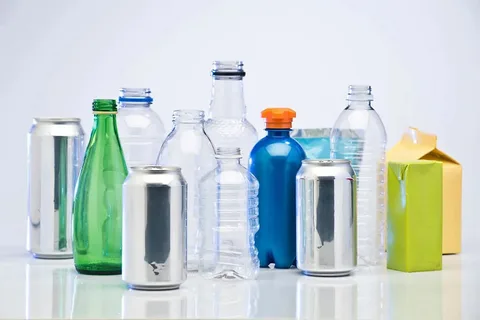
Beverage containers include a diverse range of materials and formats, such as glass bottles, PET and HDPE bottles, aluminum cans, cartons, and flexible pouches. These containers are designed to preserve product quality, prevent contamination, and facilitate transportation and storage. Advanced solutions incorporate features like tamper-evident caps, resealable closures, and smart labeling to improve consumer convenience and engagement. The integration of sustainable materials, lightweight designs, and recycling-friendly solutions is redefining container design and functionality while supporting global environmental initiatives.
Request Your Sample Now: https://www.futuremarketinsights.com/reports/sample/rep-gb-22657
Key Market Drivers
The growing global demand for packaged beverages is a primary driver of the beverage container market. Increasing urbanization, rising disposable incomes, and the convenience-oriented lifestyle of consumers are fueling the need for portable, safe, and easy-to-use containers. Regulatory requirements for food safety and hygiene are prompting manufacturers to adopt advanced packaging solutions. Additionally, the focus on sustainability, including the reduction of single-use plastics and promotion of recyclable or biodegradable materials, is driving innovation in beverage container design and production processes.
Emerging Trends
Sustainability and eco-friendly materials are at the forefront of market innovation, with beverage producers adopting recyclable PET, aluminum, glass, and compostable containers. Smart packaging technologies, including QR codes, NFC-enabled labels, and traceability solutions, are enhancing consumer engagement and brand loyalty. Lightweight and ergonomic designs are improving portability and ease of use, while automation in container manufacturing and filling processes is increasing operational efficiency. Personalization and limited-edition packaging are also becoming popular strategies for consumer engagement and marketing differentiation.
Regional Insights
North America continues to lead the beverage container market, driven by consumer demand for convenience, premium packaging, and sustainable solutions. Europe is growing steadily, supported by strict environmental regulations, high awareness of eco-friendly packaging, and innovative container designs. The Asia-Pacific region is emerging as a major market, fueled by rapid urbanization, increasing beverage consumption, and the expansion of beverage production facilities. Latin America and the Middle East are also investing in modern container technologies to ensure product safety, enhance brand differentiation, and meet rising demand from both local and international markets.
Competitive Landscape
The competitive landscape of the beverage container market includes packaging material manufacturers, beverage producers, and system integrators. Companies are focusing on sustainable materials, innovative designs, and smart packaging solutions to meet evolving consumer preferences and regulatory requirements. Strategic partnerships, collaborations with beverage brands, and investments in research and development are key strategies to expand market presence. Differentiation is achieved through eco-friendly solutions, operational efficiency, design aesthetics, and technology-enabled features that enhance consumer experience and brand perception.
Get the Report Brochure Now: https://www.futuremarketinsights.com/reports/brochure/rep-gb-22657
Future Outlook
The future of the beverage container market will be shaped by sustainability, innovation, and consumer-centric designs. As environmental concerns and regulations grow, recyclable, biodegradable, and reusable container solutions will gain prominence. The adoption of smart and interactive packaging technologies will enhance consumer engagement and offer insights to beverage producers. Lightweight, cost-effective, and automated manufacturing solutions will drive operational efficiency. With increasing demand for convenience, safety, and sustainable packaging, beverage containers will continue to be a critical component of the global beverage industry, supporting growth, brand differentiation, and environmental responsibility.
About Future Market Insights (FMI)
Future Market Insights, Inc. (ESOMAR certified, recipient of the Stevie Award, and a member of the Greater New York Chamber of Commerce) offers profound insights into the driving factors that are boosting demand in the market. FMI stands as the leading global provider of market intelligence, advisory services, consulting, and events for the Packaging, Food and Beverage, Consumer Technology, Healthcare, Industrial, and Chemicals markets. With a vast team of 400 analysts worldwide, FMI provides global, regional, and local expertise on diverse domains and industry trends across more than 110 countries.
Contact Us:
Future Market Insights Inc.
Christiana Corporate, 200 Continental Drive,
Suite 401, Newark, Delaware – 19713, USA
T: +1-845-579-5705
For Sales Enquiries: sales@futuremarketinsights.com
Website: https://www.futuremarketinsights.com
LinkedIn| Twitter| Blogs | YouTube