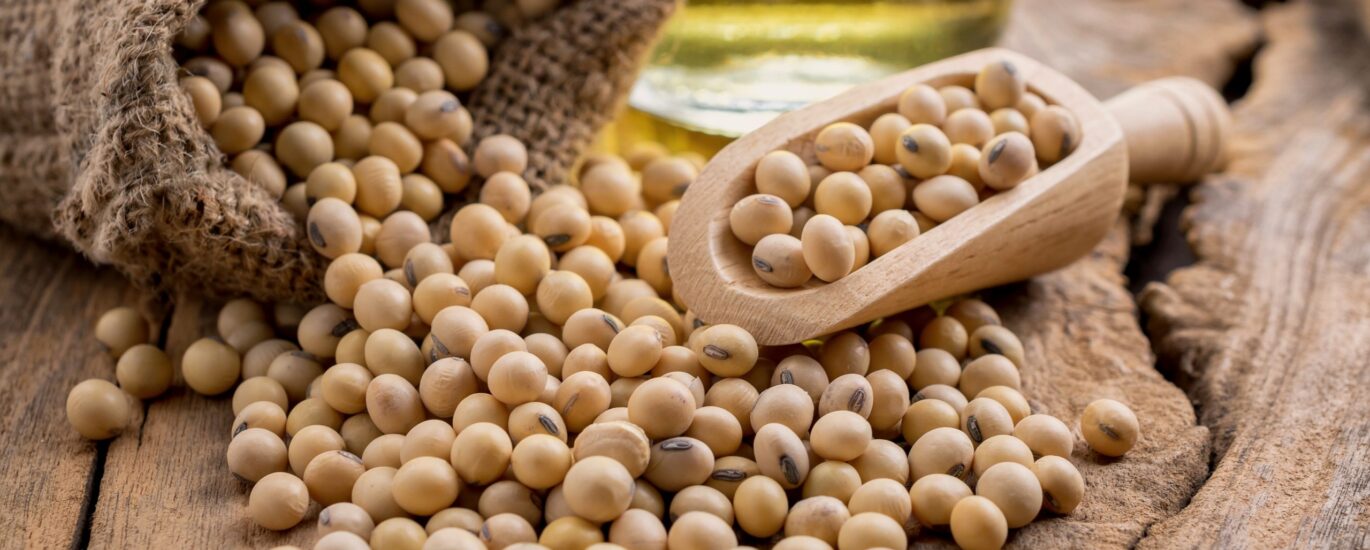
The global glycine soja (soybean) seed extract market is entering a new phase of growth as established manufacturers and innovative newcomers invest in sustainable technologies and premium-grade formulations. Valued at USD 2.6 billion in 2025, the market is projected to nearly double, reaching USD 5.9 billion by 2035 at a CAGR of 6.6%. This expansion is driven by rising consumer demand for natural, plant-based ingredients in skincare, haircare, and wellness products.
Get a Sneak Peek into the Market – Download a Sample: https://www.futuremarketinsights.com/reports/sample/rep-gb-10448
Natural Beauty on the Rise
The preference for botanical formulations has transformed soybean seed extract into a high-demand cosmetic ingredient. With 22% of sales tied to skincare applications in 2025, the extract’s antioxidant and anti-aging benefits continue to resonate with consumers seeking alternatives to synthetic products. Organic and natural sources are gaining traction, with the natural segment holding 50% share, underscoring the clean-label trend that has reshaped global beauty.
Millennials and Gen-Z consumers are at the center of this shift, fueling adoption through social media influence and digital retail platforms. By 2035, per capita consumption in major regions is expected to rise to 1.8 kilograms, reflecting growing accessibility and mainstream adoption.
Regional Outlook: Growth Anchored by Asia Pacific
Asia Pacific is emerging as the fastest-growing region for glycine soja seed extract, propelled by rising disposable incomes and e-commerce dominance. China is on track to generate USD 1.06 billion in sales by 2035, fueled by its expanding middle class and appetite for plant-based cosmetics. India is showing strong momentum as urban consumers adopt digital-first retail experiences and botanical skincare becomes a household staple.
Meanwhile, the United States remains the single largest market, with sales projected to hit USD 1.21 billion by 2035. Premium beauty channels, strict product quality regulations, and a strong clean beauty movement are shaping its 7.7% CAGR. Germany and Japan round out the top five markets, with eco-conscious regulations and multifunctional beauty culture sustaining steady growth.
Segmentation Highlights
- Skincare: Dominates applications with 22% market share in 2025, fueled by demand for anti-aging and collagen-boosting properties.
- Haircare: Gaining shelf space in premium retail, supported by natural scalp health and strengthening benefits.
- Makeup: Rising 8% annually as consumers demand cosmetics with built-in skin benefits.
- Pharmaceuticals & Nutraceuticals: Emerging high-margin segments with growing research support for health-related claims.
- Natural Sources: Lead with 50% share, catering to consumers seeking cost-effective plant-based solutions without organic premiums.
Established Leaders Driving Innovation
The market is shaped by a mix of global ingredient powerhouses and agile specialty players:
- Symrise, a global leader in natural ingredients, launched a bioactive soybean extract line in January 2025, featuring standardized genistein content for advanced anti-aging applications. Its global reach ensures wide adoption in premium cosmetic channels.
- Grau Aromatics has carved out a niche in luxury formulations, expanding its organic-certified portfolio to serve clean beauty brands targeting discerning consumers.
- Lucas Meyer Cosmetics, part of International Flavors & Fragrances, leverages co-development partnerships with top beauty houses, delivering enhanced bioactive formulations that address specific skin concerns.
New Players Entering the Field
The growth of the market has opened doors for smaller and mid-sized innovators to thrive alongside established giants.
- Bellatorra Skin Care LLC introduced a direct-to-brand supply program in May 2025, empowering indie beauty labels to access small-batch organic extracts tailored for clean beauty launches.
- Natural Solution continues to expand through sustainable sourcing partnerships, offering certified organic soybean extracts that meet growing demand for traceable and ethical ingredients.
These moves highlight a democratization of the market, where startups and emerging suppliers can compete on agility, innovation, and consumer trust.
Global Expansion and Competitive Pressures
With demand climbing, private-label ingredient programs are reshaping price competitiveness. Distributors and contract manufacturers now offer alternatives priced 8–12% below branded equivalents, intensifying pressure on smaller suppliers. This trend also improves accessibility for emerging brands seeking to formulate with premium ingredients at affordable price points.
Industry consolidation is expected as supply chain reliability and scale manufacturing capabilities become critical. Larger firms with robust extraction technologies and global distribution networks are best positioned to maintain long-term partnerships with beauty houses and pharmaceutical companies.
Consumer-Centric Trends
Several demand drivers are shaping the market trajectory:
- Anti-aging Focus: Consumers continue to invest in skincare backed by clinical efficacy, with soybean extracts recognized for collagen stimulation and antioxidant properties.
- Clean Beauty Movement: Transparency, sustainability, and eco-certification are now standard consumer expectations across key regions.
- Digital Retail Growth: Online channels, especially in Asia Pacific, are expanding ingredient access for consumers and brands alike.
- Affordability & Access: Advances in extraction technology are lowering production costs, making plant-based extracts accessible to middle-income consumers.
Outlook for 2035
As the glycine soja (soybean) seed extract market matures, differentiation will hinge on innovation and credibility. Established leaders like Symrise, Grau Aromatics, and Lucas Meyer Cosmetics are strengthening their foothold with advanced bioactives, while emerging brands such as Bellatorra Skin Care LLC and Natural Solution are seizing opportunities through niche positioning and sustainable sourcing.
The rise of multifunctional cosmetics in Japan, eco-conscious consumerism in Germany, and clean beauty adoption in the U.S. and China are creating diverse growth pathways. At the same time, India’s rapidly expanding middle class promises significant volume gains for both established and new entrants.
Ultimately, the market’s future rests on collaboration between large-scale ingredient producers and agile innovators, ensuring consistent quality, affordability, and alignment with evolving consumer values.
Purchase the Complete Market Report Today: https://www.futuremarketinsights.com/checkout/10448
Key Players in the Global Glycine Soja (Soybean) Seed Extract Market
Symrise | Grau Aromatics | Lucas Meyer Cosmetics | Bellatorra Skin Care LLC | Natural Solution | The Organic Pharmacy Ltd | JF Natural | Durae Corporation | Carrubba | Global Essence | Botanical Extracts EPZ Ltd | Nexira | Kemin Industries | Sabinsa Corporation | Bio-Botanica | Givaudan | Firmenich | DSM Nutritional Products | Ashland Global | Croda International
About Future Market Insights (FMI)
Future Market Insights, Inc. (ESOMAR certified, recipient of the Stevie Award, and a member of the Greater New York Chamber of Commerce) offers profound insights into the driving factors that are boosting demand in the market. FMI stands as the leading global provider of market intelligence, advisory services, consulting, and events for the Packaging, Food and Beverage, Consumer Technology, Healthcare, Industrial, and Chemicals markets. With a vast team of over 400 analysts worldwide, FMI provides global, regional, and local expertise on diverse domains and industry trends across more than 110 countries.
Contact Us:
Future Market Insights Inc.
Christiana Corporate, 200 Continental Drive,
Suite 401, Newark, Delaware – 19713, USA
T: +1-347-918-3531
For Sales Enquiries: sales@futuremarketinsights.com
Website: https://www.futuremarketinsights.com
LinkedIn| Twitter| Blogs | YouTube