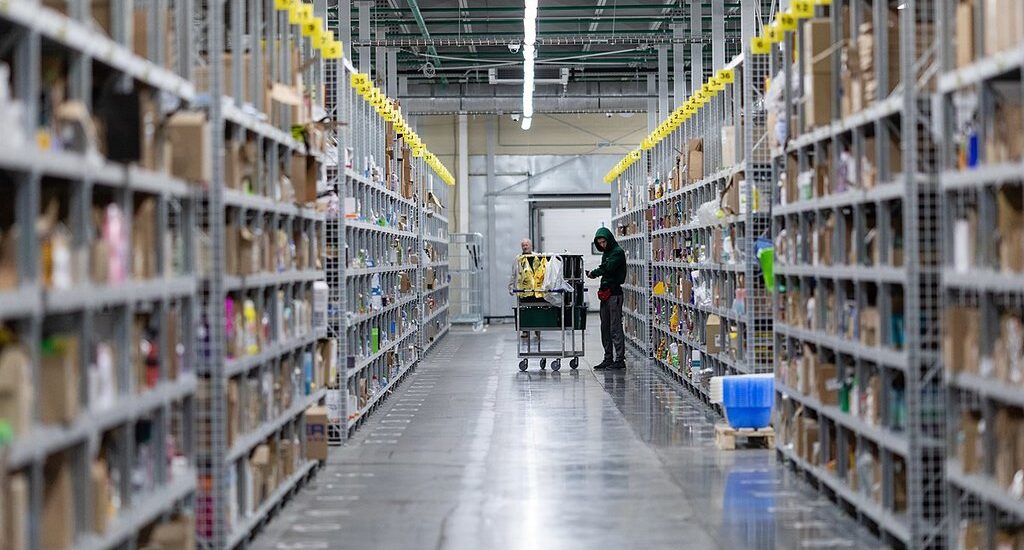
The retail industry has undergone radical transformations over the past decade, but none have been as disruptive as the meteoric rise of “dark stores.” This innovative concept, which began as a niche response to the growing demands of e-commerce, is now becoming a cornerstone of modern retail operations. With an estimated market value of USD 31.5 billion in 2025 and a forecasted value of USD 789 billion by 2035, the dark store market is poised for explosive growth.
Discover key market opportunities – Request your sample report now! https://www.futuremarketinsights.com/reports/sample/rep-gb-15969
What Are Dark Stores?
In essence, a dark store is a retail space that operates entirely behind the scenes. These facilities are not open to the public. Instead, they function as fulfillment centers that process online orders for delivery or pickup. Think of them as “invisible” stores — operational hubs designed to support the ever-growing e-commerce landscape, but without the need for foot traffic or traditional storefronts.
Dark stores are primarily used by online grocery services, hyperlocal delivery businesses, and even some traditional brick-and-mortar chains trying to optimize their operations. By separating order fulfillment from customer-facing stores, these businesses can streamline their logistics, increase efficiency, and drastically reduce costs.
Market Drivers and Growth Surge
The rapid expansion of the dark store market is driven by several key factors:
- Shift to Online Shopping: The surge in e-commerce, especially post-pandemic, has accelerated reliance on dark stores. With online shopping capturing a larger share of retail sales, businesses are adapting by building or partnering for dark store networks to meet demand.
- Need for Speed and Convenience: Consumers increasingly demand faster deliveries. Dark stores cater to this, enabling quick order fulfillment with strategically placed, well-stocked centers for same-day or two-hour deliveries.
- Cost-Effectiveness: Unlike traditional stores with high overhead costs, dark stores operate in lower-cost locations with fewer staff, allowing businesses to cut costs and reinvest savings into growth and improved service.
- Last-Mile Delivery Optimization: Dark stores are strategically positioned to reduce delivery times and optimize the final step in e-commerce logistics, especially in urban areas where demand is highest.
Market Value Projections: A Look into the Future
The dark store market is expected to witness exponential growth over the next decade. According to market analysts, the estimated value of the global dark store market is set to reach USD 31.5 billion by 2025, with projections suggesting a staggering USD 789 billion by 2035. This represents a 38% compound annual growth rate (CAGR) between 2025 and 2035.
This explosive growth can be attributed to several emerging trends, including:
- Increased investment in last-mile delivery infrastructure: Companies are pouring more resources into developing advanced logistics networks to support dark stores, especially in high-density urban centers.
- Expansion of online grocery delivery services: As the grocery delivery market continues to expand, more supermarkets and grocery chains are adopting dark store models to meet customer demand.
- Partnerships with third-party logistics providers: E-commerce giants like Amazon and Walmart are increasingly partnering with third-party delivery services, which rely heavily on dark stores to keep costs low and service levels high.
- Rise of “hyperlocal” retail: Dark stores cater perfectly to the growing trend of hyperlocal retail, where consumers want products from local stores delivered to their doorsteps in a matter of hours.
Challenges and Limitations
Despite the vast potential, the dark store market is not without its challenges:
- Infrastructure and Real Estate: While dark stores benefit from being located in areas with lower operational costs, finding and securing the right real estate for these facilities can be challenging.
- Labor Shortages: The logistics and warehousing industries have faced labor shortages, making it difficult for dark stores to operate at full capacity.
- Environmental Concerns: Increased demand for quick deliveries leads to more vehicles on the road, raising questions about the environmental impact of the dark store model and delivery fleets.
Top Investment Segments in the Dark Store Market by Category
By Age Group:
- Children
- Adults
- Elderly
By Category:
- Groceries
- Meat
- Dairy
By Delivery Options:
- Curbside Pickup
- In-Store Pickup
- Home Delivery
By Non-Food Products:
- Cleaning
- Essentials
- Bath & Body
By Region:
- North America
- Europe
- East Asia
- South Asia & Pacific
- Middle East and Africa(MEA)
Access the complete industry report—buy now! https://www.futuremarketinsights.com/checkout/15969
About Future Market Insights (FMI)
Future Market Insights, Inc. (ESOMAR certified, recipient of the Stevie Award, and a member of the Greater New York Chamber of Commerce) offers profound insights into the driving factors that are boosting demand in the market. FMI stands as the leading global provider of market intelligence, advisory services, consulting, and events for the Packaging, Food and Beverage, Consumer Technology, Healthcare, Industrial, and Chemicals markets. With a vast team of over 400 analysts worldwide, FMI provides global, regional, and local expertise on diverse domains and industry trends across more than 110 countries.
Contact Us:
Future Market Insights Inc.
Christiana Corporate, 200 Continental Drive,
Suite 401, Newark, Delaware – 19713, USA
T: +1-347-918-3531
For Sales Enquiries: sales@futuremarketinsights.com
Website: https://www.futuremarketinsights.com
LinkedIn| Twitter| Blogs | YouTube