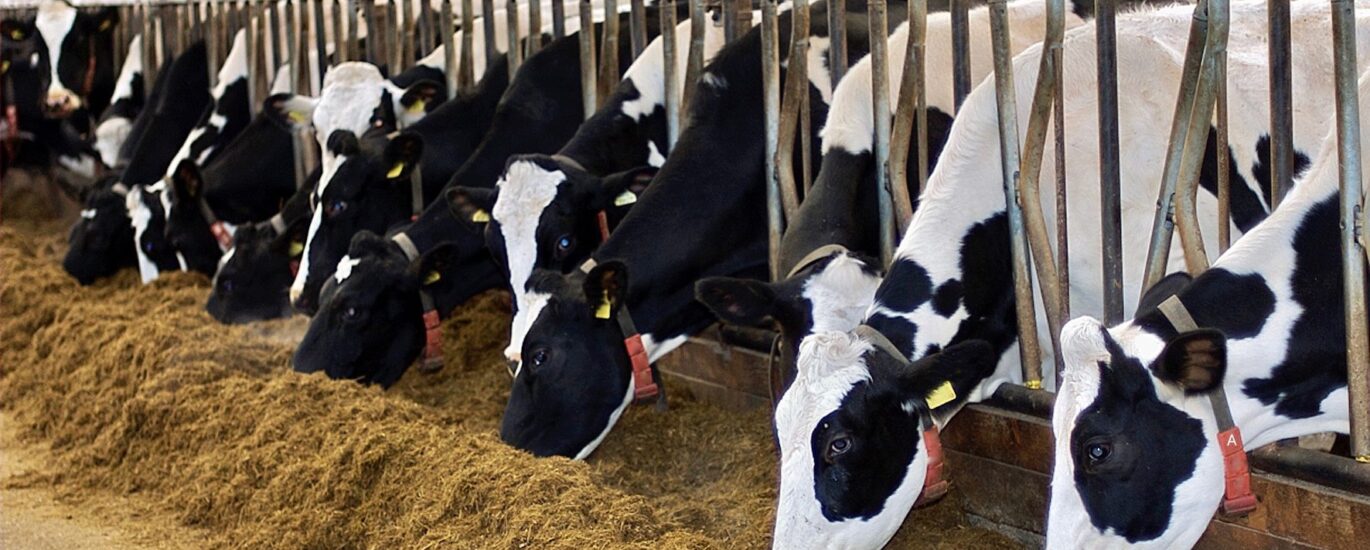
The global cattle feed market is projected to grow from an estimated USD 133.5 billion in 2025 to USD 193.7 billion by 2035, representing a robust Compound Annual Growth Rate (CAGR) of 3.8%. This significant expansion is being fueled by surging global demand for beef and dairy products, a growing livestock population, and a transformative shift toward advanced, data-driven animal nutrition solutions.
The market’s momentum is anchored in its critical role in enhancing productivity and efficiency within the livestock industry. With farmers increasingly focused on optimizing weight gain and milk yield, the adoption of customized and precision feeding methods is accelerating. This is a direct response to a global food system that demands more output with less environmental impact. Innovations in feed additives, for example, are now a central component of this trend, targeting a range of benefits from improved digestive health to a reduction in methane emissions.
Explore Key Insights – Request Your Sample Now! https://www.futuremarketinsights.com/reports/sample/rep-gb-14343
Competitive Dynamics: A Market of Innovators and Traditionalists
The competitive landscape of the cattle feed market is a dynamic mix of global powerhouses and agile regional players. Tier 1 companies like Cargill Inc., Archer Daniels Midland Company (ADM), and Land O’Lakes Inc. are leveraging their massive R&D budgets and vertically integrated supply chains to drive the market forward. These industry leaders are not just selling feed; they are selling a complete, data-driven solution.
- Technological Leadership: The “Big Five” are leading the charge with significant investments in digital transformation. They are moving away from manual mixing to automated, algorithm-driven batching lines. As the International Feed Industry Federation’s 2024 overview noted, these closed-loop control systems can cut formulation error rates from two percent to below half a percent, saving significant costs per tonne. This technological edge is a key competitive differentiator that smaller rivals struggle to match due to high capital expenditure requirements.
- Sustainability as Strategy: Companies are proactively responding to both regulatory pressures and consumer preferences by incorporating non-GMO raw materials and alternative proteins. Leading players are developing traceable supply chains and pioneering new ingredients, like insect meal and algae, to lower their carbon footprint. This focus on sustainability is not just a marketing angle; it’s a core business strategy that aligns with global climate goals.
- Partnerships and Integration: The industry’s major players are creating a powerful network effect through strategic data-sharing pacts and open-API consortiums. For instance, the partnership between Cargill and ADM allows for real-time recipe tweaks across plants, while Land O’Lakes Purina integrates its analytics with farmer-facing apps to provide immediate, actionable advice. This collaborative ecosystem reinforces the dominance of these multinational corporations.
Emerging Markets and Key Segments
The market’s growth is not uniform across all regions. While established markets like the United States (2.8% CAGR) continue to lead in volume, emerging economies are poised for explosive growth. India, with its expanding dairy industry and rising disposable incomes, is forecast to achieve an exceptional CAGR of 8.2% through 2035. This highlights a clear trend: as meat and milk consumption rises in developing nations, so too does the demand for efficient, high-quality feed.
From an investment perspective, the market is segmented by product type, with Concentrate Foods and Hay Feed holding leading positions. Concentrate foods are expected to capture a 43.5% market share in 2024, favored for their high nutritional density and efficiency in boosting productivity. Hay feed, on the other hand, is a cost-effective and essential component, providing critical fiber for animal health and maintaining a strong 23.8% market share.
While the market is flourishing with innovation, it faces challenges from commodity price volatility and the slow adoption of new technologies by small and mid-sized mills. Nevertheless, with a continued global focus on food security and sustainable agriculture, the cattle feed market is set to remain a cornerstone of the future food supply chain.
Buy the Full Report Now: https://www.futuremarketinsights.com/checkout/14343
About the Report:
This press release is based on a comprehensive market analysis report. The full report provides an in-depth analysis of the global cattle feed market, including growth drivers, restraints, competitive analysis, and detailed segment and country-wise forecasts.
About Future Market Insights (FMI)
Future Market Insights, Inc. (ESOMAR certified, recipient of the Stevie Award, and a member of the Greater New York Chamber of Commerce) offers profound insights into the driving factors that are boosting demand in the market. FMI stands as the leading global provider of market intelligence, advisory services, consulting, and events for the Packaging, Food and Beverage, Consumer Technology, Healthcare, Industrial, and Chemicals markets. With a vast team of over 400 analysts worldwide, FMI provides global, regional, and local expertise on diverse domains and industry trends across more than 110 countries.
Contact Us:
Future Market Insights Inc.
Christiana Corporate, 200 Continental Drive,
Suite 401, Newark, Delaware – 19713, USA
T: +1-347-918-3531
For Sales Enquiries: sales@futuremarketinsights.com
Website: https://www.futuremarketinsights.com
LinkedIn| Twitter| Blogs | YouTube