The electric wheelchair market is gaining significance as demand for advanced mobility solutions continues to grow, driven by aging populations, rising disability prevalence, and increasing focus on independence and accessibility. Electric wheelchairs, also known as power chairs, provide enhanced mobility support through motorized systems, offering users greater freedom, convenience, and comfort compared to traditional manual wheelchairs. With technological innovations and growing awareness of inclusive mobility, the electric wheelchair market is evolving rapidly across the globe.
With an ageing world population, rising prevalence of mobility impairments and ongoing innovations in assistive devices, the electric wheelchair market holds considerable growth potential from 2025 through to 2035. 2035, the market is expected to be valued at USD 13.6 Billion, registering a robust CAGR of 9.9% during this period.
Market Overview
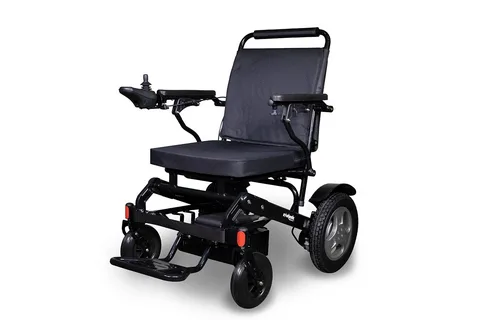
Electric wheelchairs are designed to support individuals with limited mobility by integrating advanced motors, battery systems, and control mechanisms. These devices offer superior maneuverability, enabling users to navigate both indoor and outdoor environments with ease. Modern electric wheelchairs are equipped with customizable features, ergonomic seating, and smart connectivity options, allowing for personalized use and improved comfort. Healthcare facilities, rehabilitation centers, and home care providers are adopting electric wheelchairs to enhance patient independence and quality of life.
Get Ahead with Our Report: Request Your Sample Now!
Key Market Drivers
The increasing prevalence of mobility-related disorders, coupled with the growing aging population, is a major driver of the electric wheelchair market. Rising demand for assistive technologies that enable independence is pushing innovation in this sector. Advancements in battery technology are improving range and efficiency, while healthcare policies and insurance support are making these devices more accessible to patients. Furthermore, heightened awareness of inclusivity and accessibility in public spaces is creating a supportive environment for electric wheelchair adoption.
Emerging Trends
Technological advancements are shaping the future of electric wheelchairs with innovations in smart controls, lightweight materials, and connectivity. Integration of IoT and smart sensors allows for remote monitoring, diagnostic support, and enhanced safety. Foldable and portable models are gaining traction among users seeking convenience and mobility on the go. Manufacturers are also exploring sustainable materials and energy-efficient designs to align with global sustainability initiatives. The rising use of artificial intelligence in mobility solutions is paving the way for personalized wheelchair settings and improved adaptive controls.
Regional Insights
North America holds a leading position in the market, supported by strong healthcare infrastructure, higher purchasing power, and increasing demand for advanced mobility aids. Europe is seeing steady adoption, driven by supportive government policies, accessibility initiatives, and innovation in assistive technology. The Asia-Pacific region is emerging as a high-growth market due to rapid population aging, rising awareness of mobility solutions, and increasing investments in healthcare infrastructure. Latin America and the Middle East are also witnessing greater adoption, supported by gradual improvements in healthcare systems and growing focus on accessibility.
Competitive Landscape
The competitive landscape features established medical device manufacturers, specialized assistive technology companies, and emerging startups focused on mobility innovations. Market players are enhancing product offerings with advanced control systems, ergonomic designs, and customizable features to meet diverse user needs. Collaborations with healthcare providers, rehabilitation specialists, and technology developers are fostering innovation and expanding reach. Companies are also investing in customer-centric approaches, providing after-sales services, maintenance, and training to enhance user experience and brand loyalty.
Catapult Your Strategy: Secure Key Insights with Our Report Checkout!
Future Outlook
The future of the electric wheelchair market will be shaped by continued innovation in smart technologies, energy-efficient designs, and personalized mobility solutions. As global demand for accessible and inclusive mobility grows, electric wheelchairs will play a critical role in empowering individuals and enhancing independence. With healthcare advancements, supportive policies, and ongoing research driving innovation, the electric wheelchair market is set to expand as a cornerstone of modern assistive technology.
About Future Market Insights (FMI)
Future Market Insights, Inc. (ESOMAR certified, recipient of the Stevie Award, and a member of the Greater New York Chamber of Commerce) offers profound insights into the driving factors that are boosting demand in the market. FMI stands as the leading global provider of market intelligence, advisory services, consulting, and events for the Packaging, Food and Beverage, Consumer Technology, Healthcare, Industrial, and Chemicals markets. With a vast team of 400 analysts worldwide, FMI provides global, regional, and local expertise on diverse domains and industry trends across more than 110 countries.
Contact Us:
Future Market Insights Inc.
Christiana Corporate, 200 Continental Drive,
Suite 401, Newark, Delaware – 19713, USA
T: +1-845-579-5705
For Sales Enquiries: sales@futuremarketinsights.com
Website: https://www.futuremarketinsights.com
LinkedIn| Twitter| Blogs | YouTube