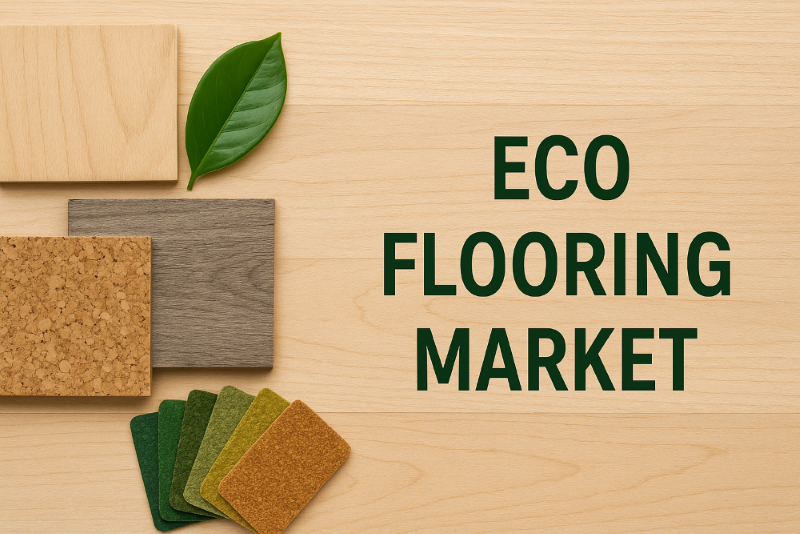
As environmental awareness continues to reshape consumer choices across industries, the flooring market is witnessing a notable shift towards more sustainable and eco-friendly solutions. The eco flooring market, projected to reach a staggering USD 86,570.04 million by 2025, is experiencing robust growth, driven by the increasing demand for environmentally conscious products and materials. This growing trend is not only influencing the residential and commercial sectors but is also contributing to a broader shift towards sustainability in construction and interior design.
Unlock exclusive insights – Request your sample report! https://www.futuremarketinsights.com/reports/sample/rep-gb-15478
A Sustainable Response to Consumer Demand
Over the past decade, the flooring industry has been facing increased pressure from consumers, businesses, and regulatory bodies to adopt greener, more sustainable practices. The rise in demand for eco flooring solutions is in part due to growing concerns about the environmental impact of traditional flooring materials, such as hardwood, vinyl, and carpet. Eco flooring products, which are made from renewable, biodegradable, or recycled materials, provide an attractive alternative for those seeking to reduce their carbon footprint.
The rapid growth of the global eco flooring market is a direct response to this demand. These products, which include options like bamboo, cork, reclaimed wood, and natural stone, are increasingly favored for their sustainability, aesthetic appeal, and durability. As of recent years, the market for eco flooring has grown at a healthy rate, and it is expected to continue expanding at a steady pace with a compound annual growth rate (CAGR) of 5.4% until 2025.
Market Dynamics: Drivers of Growth
Several factors contribute to the surging popularity of eco flooring, including government regulations, the rising awareness of environmental issues, and shifting consumer preferences.
- Government Regulations and Incentives: Governments across the globe are implementing stricter environmental regulations, encouraging the use of sustainable materials in construction and interior design. In many regions, incentives such as tax breaks or rebates are offered to builders and homeowners who choose environmentally friendly materials, further fueling the demand for eco flooring.
- Increased Awareness of Environmental Impact: The ongoing conversation about climate change and resource depletion has led consumers to become more conscious of their environmental impact. Flooring materials like bamboo, which are fast-growing and require fewer resources to produce, are being seen as more viable alternatives to traditional hardwood, which has a significant ecological footprint.
- Technological Advancements: Innovations in eco flooring technology have made these materials more affordable, durable, and aesthetically versatile. For instance, the development of high-quality recycled materials and the improvement of manufacturing processes have reduced production costs while enhancing product performance, making it easier for consumers to make eco-friendly choices without compromising on quality or style.
Eco Flooring Market Segments: Residential and Commercial Applications
The eco flooring market caters to both residential and commercial sectors, with the residential market holding the largest share of the global demand. Homeowners are increasingly opting for sustainable flooring solutions that not only enhance the aesthetic appeal of their homes but also contribute to a greener environment. Materials like bamboo, cork, and sustainable hardwood are popular choices for eco-conscious homeowners, as they offer durability and style while ensuring minimal environmental impact.
In the commercial sector, businesses are also embracing green initiatives. Offices, hotels, and retail spaces are adopting eco flooring solutions to appeal to environmentally conscious consumers and to comply with corporate sustainability goals. High-traffic areas in commercial buildings often require floors that are both durable and easy to maintain, and eco-friendly options such as rubber flooring, linoleum, and vinyl made from recycled materials are increasingly in demand.
Challenges in the Eco Flooring Market
Despite the growth prospects, the eco flooring market faces certain challenges that could hinder its potential. A key challenge lies in the higher initial cost of eco-friendly materials, which can sometimes deter price-sensitive consumers. While the long-term benefits of eco flooring, such as reduced energy consumption and lower maintenance costs, outweigh these initial expenses, the upfront investment can still be a barrier.
Additionally, the supply chain for eco flooring materials is not yet as streamlined or widespread as traditional flooring options, which could limit availability in certain regions. Manufacturers must continue to focus on improving the scalability of production processes and making these products more affordable and accessible to a broader consumer base.
Top Segments Studied in the Eco Flooring Market
By Material Type:
- Cork
- Wood
- Bamboo
- Linoleum
- Glass Tiles
- Concrete
- Wool Carpet
- Rubber
- Leather
By End Use:
- Residential
- Non-Residential
By Price Range:
- Economy
- Mid-range
- Premium
By Distribution Channel:
- Online
- Offline
By Region:
- North America
- Latin America
- East Asia
- South Asia & Pacific
- Eastern Europe
- Western Europe
- Middle East & Africa
Purchase the in-depth market report now! https://www.futuremarketinsights.com/checkout/15478
About Future Market Insights (FMI)
Future Market Insights, Inc. (ESOMAR certified, recipient of the Stevie Award, and a member of the Greater New York Chamber of Commerce) offers profound insights into the driving factors that are boosting demand in the market. FMI stands as the leading global provider of market intelligence, advisory services, consulting, and events for the Packaging, Food and Beverage, Consumer Technology, Healthcare, Industrial, and Chemicals markets. With a vast team of over 400 analysts worldwide, FMI provides global, regional, and local expertise on diverse domains and industry trends across more than 110 countries.
Contact Us:
Future Market Insights Inc.
Christiana Corporate, 200 Continental Drive,
Suite 401, Newark, Delaware – 19713, USA
T: +1-347-918-3531
For Sales Enquiries: sales@futuremarketinsights.com
Website: https://www.futuremarketinsights.com
LinkedIn| Twitter| Blogs | YouTube