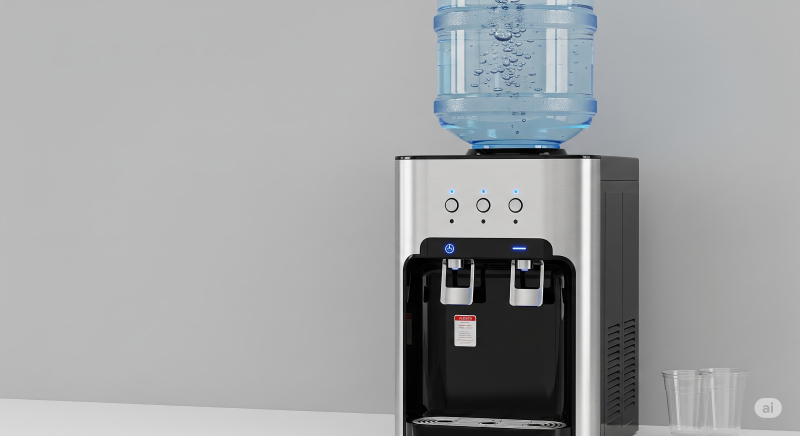
The global water dispenser market is experiencing significant growth, driven by rising health awareness, the growing demand for clean and safe drinking water, and advancements in water dispensing technology. From traditional bottled water dispensers to advanced smart systems, the sector has seen an evolution in both product types and user expectations. With an estimated market size of USD 3,229.38 million in 2025 and projected to expand to USD 7,234.56 million by 2035, the water dispenser market is on a clear upward trajectory, boasting a healthy compound annual growth rate (CAGR) of 8.4% from 2025 to 2035.
Unlock exclusive insights – Request your sample report! https://www.futuremarketinsights.com/reports/sample/rep-gb-15068
The Landscape of the Water Dispenser Market: An Overview
Water dispensers have become indispensable in both homes and businesses around the world. These devices offer convenience, hygiene, and a sustainable way to access drinking water at the right temperature, whether hot, cold, or room temperature. The market encompasses a wide range of products, from basic bottled water dispensers to more sophisticated models that integrate filtration systems, touchless operations, and smart technology.
While the water dispenser market has a long history, it is currently undergoing a transformation. As urbanization increases and the demand for filtered and safe water grows, the global market is evolving to meet these needs. Water dispensers are no longer a luxury but have become an essential part of daily life, particularly in regions where access to clean drinking water is a challenge.
Key Market Drivers and Trends
- Growing Health Consciousness: With rising awareness of health, consumers increasingly prefer purified water over sugary drinks. This demand boosts the popularity of water dispensers, especially those with filtration systems that ensure a continuous supply of clean water.
- Urbanization and Changing Lifestyles: As more people move to urban areas, water quality issues push consumers to seek alternatives like dispensers with purification systems. The expanding middle class in emerging markets further drives this shift.
- Technology Integration: Smart Water Dispensers: Smart dispensers with features like temperature control, touchless operation, and app integration are gaining traction. IoT-enabled dispensers offer enhanced monitoring of water usage and filter status, contributing to convenience and efficiency.
- Sustainability and Environmental Concerns: Growing concerns over plastic waste are prompting consumers to opt for more sustainable water solutions. Refillable dispensers with built-in filtration systems are increasingly popular, helping reduce reliance on bottled water.
- Corporate and Industrial Applications: Businesses, schools, and healthcare facilities are adopting water dispensers to provide safe drinking water. Advanced dispensers with high filtration capabilities are seen as more hygienic, meeting the growing demand for healthier water solutions in public spaces.
Technological Advancements in Water Dispensers
- Filtration and Purification Systems: Modern dispensers now feature advanced filtration technologies like reverse osmosis (RO), ultraviolet (UV) purification, and activated carbon filters, ensuring the highest quality of clean, purified water.
- Touchless and Sensor-Based Operation: Touchless dispensers, utilizing infrared sensors, have gained popularity for their hygiene benefits. These dispensers provide water without physical contact, reducing contamination risks, especially post-COVID-19.
- Smart Water Dispensers: Smart dispensers are transforming the market, offering features like mobile app control, water consumption tracking, and filter change alerts. These technologies enhance convenience, promote conservation, and streamline maintenance.
- Multi-Temperature Dispensing: Dispensers now offer hot, cold, and room temperature water options, catering to a variety of needs, from making beverages to staying hydrated, making them ideal for both homes and workplaces.
Regional Analysis: Where is the Growth Coming From?
The water dispenser market is growing rapidly in multiple regions, with North America, Europe, and Asia-Pacific emerging as key markets.
- North America remains the largest market for water dispensers, driven by the growing preference for clean drinking water and technological advancements in dispensers. The region is also home to several leading manufacturers, including brands like Culligan and Primo Water Corporation.
- Europe is seeing a steady rise in demand for sustainable water solutions, particularly in countries like Germany and the United Kingdom. The region’s heightened environmental awareness is encouraging consumers to move away from bottled water and towards eco-friendly water dispensers.
- Asia-Pacific, however, is expected to see the most significant growth in the coming years. This is driven by the rapid urbanization in countries like China and India, where both the demand for clean water and the growing middle class are fueling the water dispenser market. The region is also embracing technological advancements, with smart dispensers becoming more common in urban households.
- Latin America and the Middle East & Africa are expected to experience moderate growth, as water access remains a major concern in certain areas. However, the market in these regions is gaining traction as the demand for healthier water alternatives increases.
Challenges Facing the Water Dispenser Market
Despite the promising growth prospects, the water dispenser market does face several challenges:
- High Initial Costs: Water dispensers, especially those with advanced filtration and purification technologies, can come with a high upfront cost. This may deter budget-conscious consumers from making a purchase, particularly in emerging markets.
- Maintenance and Replacement Costs: While the initial cost may be high, the ongoing maintenance of water dispensers can also be a concern for consumers. Regular filter replacements and servicing can add to the overall cost of ownership, potentially limiting the appeal of these products.
- Quality of Tap Water: In regions with poor tap water quality, water dispensers may not be able to offer a solution if local water sources are contaminated or heavily polluted. Even the most advanced filtration systems may struggle to deliver clean, safe drinking water in such areas.
Top Segments Studied in the Water Dispenser Market Research Report
By Product Type:
- Bottled
- Bottle-less
By Application:
- Residential
- Commercial
- Industrial
By End-use:
- Commercial
- Industrial
By Region:
- North America
- Latin America
- Western Europe
- Eastern Europe
- East Asia
- South Asia Pacific
- Middle East and Africa
Buy the detailed market report now! https://www.futuremarketinsights.com/checkout/15068
About Future Market Insights (FMI)
Future Market Insights, Inc. (ESOMAR certified, recipient of the Stevie Award, and a member of the Greater New York Chamber of Commerce) offers profound insights into the driving factors that are boosting demand in the market. FMI stands as the leading global provider of market intelligence, advisory services, consulting, and events for the Packaging, Food and Beverage, Consumer Technology, Healthcare, Industrial, and Chemicals markets. With a vast team of over 400 analysts worldwide, FMI provides global, regional, and local expertise on diverse domains and industry trends across more than 110 countries.
Contact Us:
Future Market Insights Inc.
Christiana Corporate, 200 Continental Drive,
Suite 401, Newark, Delaware – 19713, USA
T: +1-347-918-3531
For Sales Enquiries: sales@futuremarketinsights.com
Website: https://www.futuremarketinsights.com
LinkedIn| Twitter| Blogs | YouTube