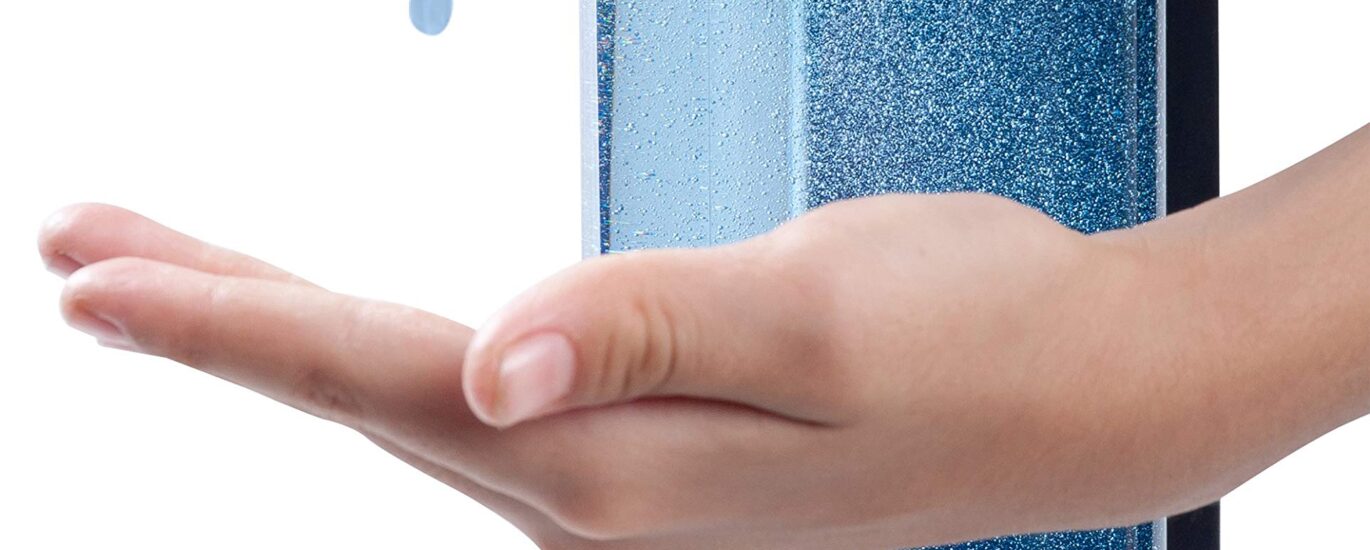
The electric soap dispenser market is witnessing an impressive rise in both commercial and residential spaces. Estimated to be valued at USD 1.5 billion in 2025, the sector is expected to nearly double by 2035, reaching USD 2.8 billion. This growth represents a compound annual growth rate (CAGR) of 6.3% over the forecast period, underscoring the increasing importance of automation, hygiene, and touchless solutions in daily life. As consumer awareness and demand for touch-free products surge, particularly in light of recent global health concerns, electric soap dispensers are emerging as essential fixtures in homes, hospitals, schools, restaurants, and public spaces alike.
Discover key market opportunities – Request your sample report now! https://www.futuremarketinsights.com/reports/sample/rep-gb-8129
Market Dynamics: Why is the Electric Soap Dispenser Market Growing?
At the heart of this growth is the global shift toward heightened hygiene standards and the demand for smarter, more efficient solutions in sanitation. Several factors are propelling the electric soap dispenser market forward:
- Increased Hygiene Awareness: The global health crisis has made hygiene practices paramount, with people becoming more cautious about hand sanitation. This heightened awareness has made touch-free dispensers, which reduce the risk of contamination, a preferred option in both commercial and residential environments.
- Automation and Technology: As automation continues to reshape consumer expectations, the demand for touchless technology has spiked. Electric soap dispensers equipped with infrared sensors are now a common sight in public restrooms and healthcare facilities, providing users with a convenient, efficient, and hygienic way to wash their hands.
- Smart Features and Customization: Manufacturers are incorporating smart technologies such as adjustable soap volumes, rechargeable battery systems, and antimicrobial surfaces into dispensers, making them more versatile and appealing to consumers. The ability to customize soap quantity or enhance durability and aesthetics is expanding the product’s appeal across different sectors.
- Sustainability Trends: The growing trend of eco-conscious consumerism is driving innovation in the electric soap dispenser market. Manufacturers are opting for recyclable plastics and bio-based materials, contributing to both product sustainability and market appeal.
Key Drivers and Challenges in the Market
Drivers
- Increased disposable income: As incomes rise, particularly in emerging markets, consumers are increasingly willing to invest in convenience products such as electric soap dispensers. Higher disposable income allows households and businesses to purchase more advanced, automated hygiene products.
- Health and Wellness Trends: As global wellness trends continue to dominate consumer behavior, products that enhance cleanliness and convenience are in high demand. The shift toward automated, touchless solutions is directly aligned with these wellness trends, helping drive the market.
Challenges
- High costs: Electric soap dispensers are often more expensive than manual alternatives, which can be a barrier for middle-income households or small businesses. The sophisticated sensors, valves, and motorized systems used in electric dispensers contribute to their higher price points.
- Competition from cheaper alternatives: While electric dispensers offer convenience and hygiene, manual soap dispensers and hand sanitizers often come at a much lower cost. The availability of these cheaper alternatives in the market can limit the growth of the electric dispenser segment, particularly in households where cost sensitivity is higher.
Regional Insights: Dominance of North America and Asia-Pacific
North America, particularly the United States, is leading the global electric soap dispenser market. The adoption of touchless hygiene solutions in public restrooms, foodservice facilities, and healthcare settings has been robust, further boosted by the growing trend of “smart restrooms.” The United States’ high disposable income and focus on cleanliness and safety make it an ideal market for premium, automated products.
In the Asia-Pacific region, China is spearheading growth. The country’s rising health consciousness post-pandemic and the widespread shift toward touch-free solutions have led to increased demand for electric soap dispensers. Both manufacturers and consumers in China are helping shape the market, and the country is expected to continue to lead in terms of both production and consumption.
Key Segments Profiled in the Electric Soap Dispenser Market
By Material Type:
- Plastic
- Stainless Steel
- Chrome
- Bronze
- Others
By End user:
- Healthcare
- Hospitality
- Schools
- Household
- Others
By Distribution Channel:
- Retail Stores
- Hypermarket/Supermarket
- Specialty Stores
- Convenience Stores
- Official Websites
- 3rd Party Websites
- Online Store
By Region:
- North America
- Latin America
- Europe
- East Asia
- South Asia
- Oceania
- Middle East & Africa (MEA)
Access the complete industry report—buy now! https://www.futuremarketinsights.com/checkout/8129
About Future Market Insights (FMI)
Future Market Insights, Inc. (ESOMAR certified, recipient of the Stevie Award, and a member of the Greater New York Chamber of Commerce) offers profound insights into the driving factors that are boosting demand in the market. FMI stands as the leading global provider of market intelligence, advisory services, consulting, and events for the Packaging, Food and Beverage, Consumer Technology, Healthcare, Industrial, and Chemicals markets. With a vast team of over 400 analysts worldwide, FMI provides global, regional, and local expertise on diverse domains and industry trends across more than 110 countries.
Contact FMI:
Future Market Insights Inc.
Christiana Corporate, 200 Continental Drive,
Suite 401, Newark, Delaware – 19713, USA
T: +1-347-918-3531
For Sales Enquiries: sales@futuremarketinsights.com
Website: https://www.futuremarketinsights.com
LinkedIn| Twitter| Blogs | YouTube