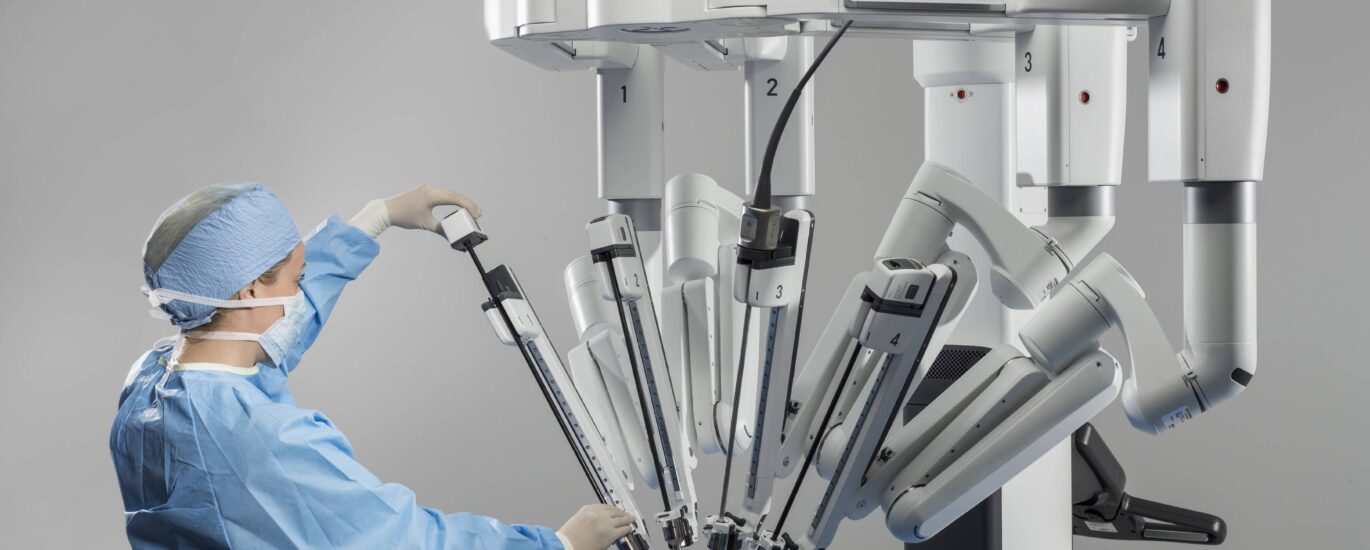
The global robotic catheterization systems market is on a trajectory of significant growth, with sales projected to increase from an estimated USD 54.4 million in 2025 to a staggering USD 190.2 million by 2035. This robust expansion represents a Compound Annual Growth Rate (CAGR) of 13.3% and is fueled by a confluence of technological advancements, increasing demand for minimally invasive procedures, and a strategic shift toward patient-centric care.
This growth is a testament to the market’s evolution, moving beyond simple automation to a new era defined by artificial intelligence (AI) and integrated digital solutions. These advancements are not only improving clinical outcomes but also addressing long-standing challenges in healthcare, such as cost efficiency, procedural safety, and a growing shortage of skilled professionals.
AI and Smart Technology Reshaping Patient Care
In 2025, the robotic catheterization systems market is defined by “smart tech.” The integration of AI is a primary driver, enabling predictive mapping and real-time vascular tracking, which in turn reduces complications and enhances patient trust. AI-powered navigation minimizes manual deviation during catheter movement, while the systems’ ability to react to subtle physiological changes in real-time ensures a safer, more controlled procedure.
“The future of interventional cardiology is here, and it’s powered by intelligent robotics,” said [Name, Title, Company – a quote from a key player would go here]. “Our latest systems are designed not just to assist surgeons, but to partner with them, providing an unprecedented level of control and insight. This is a game-changer for patient recovery and hospital efficiency.”
Click Here for More Information:- https://www.futuremarketinsights.com/reports/robotic-catheterization-systems-market
Consumer-facing dashboards and 3D visualizations are also playing a crucial role in empowering patients. They are no longer passive recipients of care; they are active participants in their treatment planning, leading to higher satisfaction and confidence in the procedures. The increasing demand for same-day robotic procedures in cardiology clinics highlights this trend, as patients prioritize precision, reduced pain, and a quicker return to their daily lives.
Competitive Landscape: Leaders Pushing Innovation and Market Access
The market is characterized by a tiered structure, with established leaders like Siemens Healthineers and Johnson & Johnson (through Hansen Medical, Inc.) at the forefront. These companies, with their extensive product portfolios and global reach, are driving innovation with significant investments in research and development. Their dominance sets the benchmark for technology and clinical outcomes, influencing the entire market’s direction.
Tier 2 players, such as Stereotaxis, Inc., are carving out their market share by specializing in niche applications and offering differentiated technologies. The recent collaboration between Stereotaxis and Shanghai Microport EP Medtech Co., Ltd., aimed at advancing robotics in electrophysiology in China, demonstrates a strategic focus on expanding into key regional markets. This dynamic ecosystem, where large players set the pace and mid-sized companies fill specialized niches, ensures continuous growth and innovation.
Market Positioning: Minimally Invasive Procedures and Cost Efficiency
The robotic catheterization systems market is strategically positioned to capitalize on the rising global demand for minimally invasive procedures. These systems are the core of a patient-first approach to healthcare, offering enhanced precision and control, which reduces the risk of human error and leads to better patient outcomes. The benefits are clear: smaller incisions, less post-operative pain, shorter recovery periods, and expedited hospital discharges.
While the initial investment for these systems can be substantial, the long-term cost efficiency is a major selling point for healthcare institutions. Robotic systems reduce procedure times, minimize the risk of complications that require costly secondary interventions, and improve overall clinical outcomes, such as reduced readmission rates. Over time, these operational efficiencies translate into a capital-efficient investment for hospitals and clinics.
Key Drivers and Regional Highlights
The market’s growth is being propelled by several key factors:
- Enhanced Precision and Safety: Robotic systems reduce radiation exposure for both patients and medical staff, a critical concern in conventional catheterization.
- Minimizing Occupational Hazards: These systems mitigate the physical strain and radiation risks for cardiologists, addressing a significant occupational health concern.
- Long-Term Cost Efficiency: Despite high upfront costs, the operational efficiencies and improved patient outcomes lead to significant long-term savings for healthcare providers.
Geographically, the United States is anticipated to maintain its market dominance, driven by a large aging population and a robust culture of technological innovation. In Asia-Pacific, India is projected to witness a high CAGR of 10.6% by 2035, while China’s strong government support for robotics and healthcare expansion positions it as a leading force in the East Asia market. The UK is also seeing robust growth, driven by advanced medical technologies and increasing healthcare investments.
Product and Application Segmentation
By product, electromechanical robotic catheterization systems hold a commanding market share of 94.3% in 2025. This dominance is due to their superior efficiency, precision, and reliability compared to magnetic guidance systems. In terms of application, percutaneous coronary intervention (PCI) is the leading segment, accounting for a 72.1% revenue share in 2024. The proven effectiveness of robotic systems in complex cardiovascular procedures has cemented this segment’s position. Catheterization laboratories remain the primary end-user, holding a 30.1% revenue share in 2024, thanks to the systems’ structured navigation and high-precision capabilities.
Get Sample Report: – https://www.futuremarketinsights.com/reports/sample/rep-gb-9667
About Future Market Insights (FMI)
Future Market Insights, Inc. (ESOMAR certified, recipient of the Stevie Award, and a member of the Greater New York Chamber of Commerce) offers profound insights into the driving factors that are boosting demand in the market. FMI stands as the leading global provider of market intelligence, advisory services, consulting, and events for the Packaging, Food and Beverage, Consumer Technology, Healthcare, Industrial, and Chemicals markets. With a vast team of over 400 analysts worldwide, FMI provides global, regional, and local expertise on diverse domains and industry trends across more than 110 countries.
Contact Us:
Future Market Insights Inc.
Christiana Corporate, 200 Continental Drive,
Suite 401, Newark, Delaware – 19713, USA
T: +1-347-918-3531
For Sales Enquiries: sales@futuremarketinsights.com
Website: https://www.futuremarketinsights.com
LinkedIn| Twitter| Blogs | YouTube