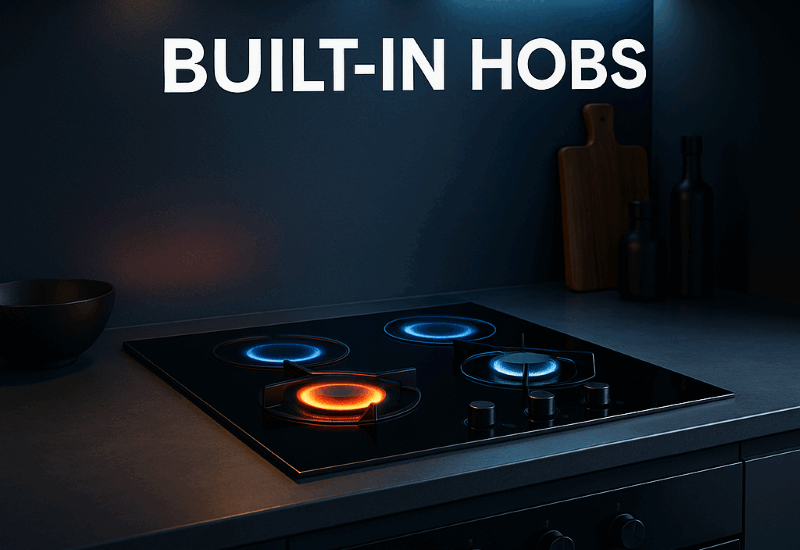
The global Built-In Hobs market is poised for significant growth, with projections indicating that it will reach an estimated USD 4.8 billion by 2025, and double to USD 9.6 billion by 2035. This rapid expansion, forecasted to grow at a compound annual growth rate (CAGR) of 7.1% during the period, underscores a fundamental shift in consumer preferences, especially in the context of home kitchen appliances.
Discover key market opportunities – Request your sample report now! https://www.futuremarketinsights.com/reports/sample/rep-gb-14859
Surge in Demand for Integrated Kitchen Solutions
One of the key factors driving this growth is the rising demand for integrated kitchen functionality. Built-in hobs, which seamlessly integrate into kitchen countertops, offer a minimalist, modern look that is appealing to today’s consumers. This design trend has gained significant traction, especially in urban settings where space optimization and aesthetic appeal are paramount.
Consumers are increasingly opting for appliances that blend performance with design, and built-in hobs perfectly align with this need. These appliances not only offer enhanced visual appeal but also provide functional advantages, such as more efficient use of kitchen space and improved cooking performance.
Technological Advancements and Consumer Preferences
Another major driver of market growth is the incorporation of advanced technology into built-in hobs. Induction cooktops, in particular, have gained popularity due to their quick heating times, precise temperature control, and energy efficiency. With features like touch controls, smart cooking programs, and energy-saving modes, these modern hobs provide a level of convenience and ease that traditional cooking appliances cannot match.
The preference for induction hobs has increased significantly over recent years, with many consumers opting for these high-tech solutions that offer greater energy efficiency and safer cooking experiences. As home chefs become more discerning, the demand for innovative features in kitchen appliances, including built-in hobs, continues to rise.
Regional Growth and Market Dynamics
The built-in hobs market is experiencing strong growth in key regions, including Europe, North America, and parts of Asia-Pacific. These regions are seeing increasing adoption of modern kitchen appliances driven by rising disposable incomes, urbanization, and an increasing number of high-end residential and commercial kitchen installations.
In Europe, countries such as Germany, France, and the UK lead the way in demand for built-in hobs, driven by both luxury kitchen renovations and new home construction projects. Similarly, in North America, the growing trend of home cooking and the rise of smart home technologies contribute to the expansion of the built-in hob market.
Asia-Pacific is emerging as a rapidly growing region for built-in hob adoption, particularly in China and India, where a growing middle class and increased urbanization are creating a demand for modern, space-saving kitchen solutions.
Types of Built-In Hobs
Built-in hobs are available in a variety of types, including gas, electric, and induction models, each offering different advantages based on consumer needs and preferences.
- Induction hobs are expected to experience the highest growth due to their energy efficiency, speed, and sleek design. Their ability to provide precise heat control and quick cooking times makes them a popular choice among modern consumers.
- Gas hobs, while more traditional, remain favored by consumers who prefer direct flame control for cooking.
- Electric hobs, though slower in cooking time compared to induction models, continue to hold appeal for budget-conscious consumers looking for straightforward cooking solutions.
Market Challenges
Despite strong growth prospects, the built-in hobs market faces challenges, particularly in terms of cost. The high price of induction models, which require specialized cookware and professional installation, may be a barrier for some consumers. Additionally, while built-in hobs offer many advantages, they also require a significant investment in terms of both the appliance and installation, making them less accessible for budget-conscious buyers.
As demand for energy-efficient, sustainable products increases, manufacturers are focusing on meeting these consumer needs while maintaining product affordability and durability.
Key Segmentation
By Product Type:
- Electric Hob
- Ceramic
- Others (Induction, gas)
By Burner Type:
- 2 Burner
- 3 Burner
- 4 Burner
- Others
By Sales Channel:
- Multi-brand Stores
- Exclusive Stores
- Online Stores
- Independent Stores
- Others
By Region:
- North America
- Latin America
- Europe
- East Asia
- South Asia
- Oceania
- The Middle East and Africa (MEA)
Access the complete industry report—buy now! https://www.futuremarketinsights.com/checkout/14859
About Future Market Insights (FMI)
Future Market Insights, Inc. (ESOMAR certified, recipient of the Stevie Award, and a member of the Greater New York Chamber of Commerce) offers profound insights into the driving factors that are boosting demand in the market. FMI stands as the leading global provider of market intelligence, advisory services, consulting, and events for the Packaging, Food and Beverage, Consumer Technology, Healthcare, Industrial, and Chemicals markets. With a vast team of over 400 analysts worldwide, FMI provides global, regional, and local expertise on diverse domains and industry trends across more than 110 countries.
Contact FMI:
Future Market Insights Inc.
Christiana Corporate, 200 Continental Drive,
Suite 401, Newark, Delaware – 19713, USA
T: +1-347-918-3531
For Sales Enquiries: sales@futuremarketinsights.com
Website: https://www.futuremarketinsights.com
LinkedIn| Twitter| Blogs | YouTube