The global plant-based butter market is set for robust growth, projected to expand from an estimated USD 2.8 billion in 2025 to USD 4.9 billion by 2035, with a Compound Annual Growth Rate (CAGR) of 5.9%. This expansion is being driven by a confluence of factors, including a surge in health-conscious consumer preferences, growing concerns over sustainability and animal welfare, and a rising incidence of lactose intolerance. The market is witnessing significant innovation, with brands focusing on clean-label formulations, diverse flavor profiles, and enhanced nutritional content to attract a wider consumer base.
Enhanced Market Demand: Discover Thorough Trends and Insights in Our Complete Report: https://www.futuremarketinsights.com/reports/plant-based-butter-market
Key Market Drivers and Trends
- Shift to Plant-Forward Diets: The increasing popularity of vegan, vegetarian, and particularly flexitarian diets is a primary growth driver. A significant portion of younger consumers (Gen Z, Gen X, and millennials) are adopting flexitarian diets, providing a substantial market beyond strict vegans and vegetarians.
- Health and Wellness: Consumers are increasingly aware of the health risks associated with conventional dairy butter, such as high saturated fat content linked to heart disease and obesity. This has created a strong demand for plant-based alternatives, which are often perceived as being healthier with lower fat levels and cholesterol.
- Home Cooking and Convenience: The rise in home cooking, especially post-pandemic, has created a fertile ground for plant-based butter sales. Consumers are seeking versatile, healthy ingredients for their culinary creations. The availability of plant-based butter in various forms and through diverse channels, including online retail, has made it easier for consumers to integrate these products into their daily routines.
- Taste and Texture Innovation: Historically, plant-based alternatives faced a challenge in replicating the taste and texture of dairy butter. However, continuous innovation in formulations, such as those using a combination of almond milk, coconut oil, and other plant-based ingredients, has enabled products to closely mimic the mouthfeel and functionality of traditional butter, making them more appealing to mainstream consumers.
- Rising Lactose Intolerance: A significant portion of the global population is lactose intolerant. This has made plant-based butter a necessary and increasingly popular alternative, particularly in regions like Spain and parts of Asia where lactose intolerance rates are high.
Segmental Analysis
- Source: Almond milk-based butter is the leading source segment, expected to hold a 27.0% market share in 2025. Its mild flavor profile and consumer familiarity, coupled with a perception of being a premium, health-conscious ingredient, contribute to its dominance. Soy milk-based butter is also a major player, with its low cost and widespread availability of raw materials driving its commercial prospects.
- Distribution Channel: The B2C (Business-to-Consumer) channel is the largest segment, projected to account for 35.0% of market revenue in 2025. This is driven by the growing presence of plant-based options in supermarkets, specialty stores, and online retail platforms, which provide convenience and greater product visibility to individual consumers. Online retail, in particular, is a fast-growing sub-segment, offering minimal costs for brands and a wider selection for consumers.
Regional Insights
- North America: North America, particularly the United States, is a major market for plant-based butter, accounting for a significant global share. The region’s strong health consciousness, high rates of lactose intolerance, and a favorable environment for plant-based food innovation and investment are key growth factors.
- Europe: Europe is also a significant market, with countries like the UK, Germany, and France showing strong growth. The UK’s rapidly growing vegan population and high number of vegan product launches are boosting sales. In Germany, the clean-label and plant-based movements are driving innovation. In France, a recent crisis in conventional butter stocks is creating near-term opportunities for plant-based alternatives.
- Asia-Pacific: This region is emerging as a high-potential market, especially in countries like China and India. In China, factors like high rates of lactose intolerance and government support for plant-based dairy standards are contributing to market growth. In India, a large lacto-vegetarian population and rising health awareness present opportunities, though the higher cost of plant-based products may be a short-term challenge.
Competitive Landscape
The plant-based butter market is competitive and fragmented, with a mix of established food giants and specialized small-scale players. Key companies like Conagra Brands Inc., Upfield Foods, and Miyoko’s Creamery are actively investing in R&D, new product launches, and geographical expansion to strengthen their market position. The launch of new products, such as Kite Hill’s almond milk-based butter and ForA’s aquafaba-based butter for bakery applications, demonstrates the continuous innovation and strategic focus on specific consumer needs within the industry.
Key Players
- Conagra Brands Inc.
- Upfield Foods
- Miyoko’s Creamery
- Wayfare Food
- Prosperity Organic Food Inc.
- Lyrical Foods Inc.
- Califia Farms
- Premier Organics
- Naturli Foods
- Ekogram-the real food
- Wildfriend Foods
- The J.M. Smuker Co.
- The Leaviet Corp.
- Milkadamia
- Chobani LLC
- Carley’s Organic
- Pintola
- Alpino Health Foods
- Vegan Way
- Dhatu Organics
- Kitchen Garden
- Naturally Organic
- Daisya Fine Food
- Ceres Organics
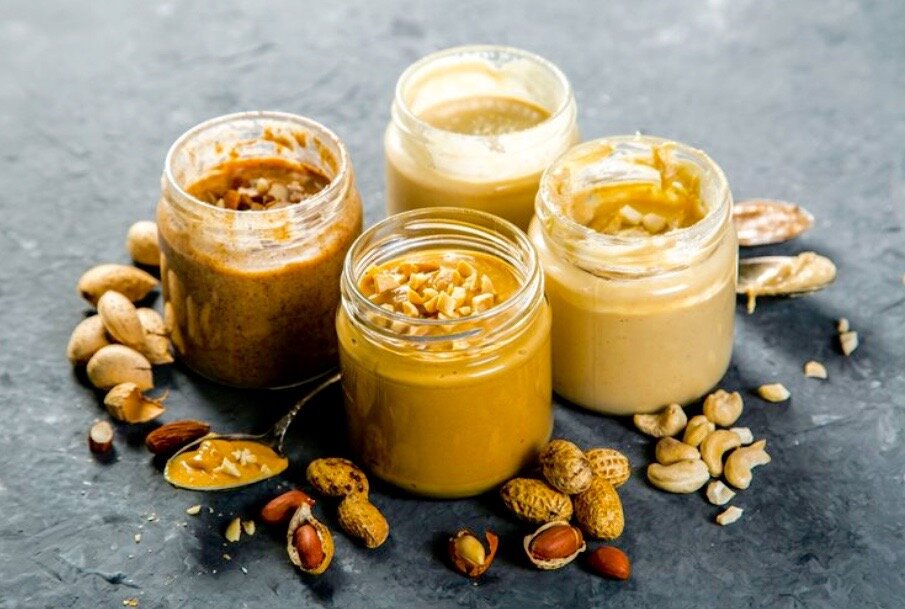
Key Segments
By Source:
- Oat Milk
- Rice Milk
- Corn Milk
- Soy Milk
- Pea Milk
- Almond Milk
- Coconut Milk
- Cashew Milk
- Flax Milk
- Hemp Milk
- Others
By Distribution Channel:
- B2B
- Hotels
- Restaurants
- Cafes
- B2C
- Hypermarket/Supermarket
- Convenience Stores
- Specialty Stores
- Mom and Pop Stores
- Discount Stores
- Food & Drink Specialty Stores
- Independent Small Groceries
- Online Retail
- Others
By Region:
- North America (USA & Canada)
- Latin America (Mexico & Rest of LATAM)
- Europe, Middle East & Africa
- Asia Pacific (Greater China, South East Asia, Japan, India, South Korea, Australia, New Zealand)
About Future Market Insights (FMI)
Future Market Insights, Inc. (ESOMAR certified, recipient of the Stevie Award, and a member of the Greater New York Chamber of Commerce) offers profound insights into the driving factors that are boosting demand in the market. FMI stands as the leading global provider of market intelligence, advisory services, consulting, and events for the Packaging, Food and Beverage, Consumer Technology, Healthcare, Industrial, and Chemicals markets. With a vast team of over 400 analysts worldwide, FMI provides global, regional, and local expertise on diverse domains and industry trends across more than 110 countries.
Contact Us:
Future Market Insights Inc.
Christiana Corporate, 200 Continental Drive,
Suite 401, Newark, Delaware – 19713, USA
T: +1-347-918-3531
For Sales Enquiries: sales@futuremarketinsights.com
Website: https://www.futuremarketinsights.com
LinkedIn| Twitter| Blogs | YouTube