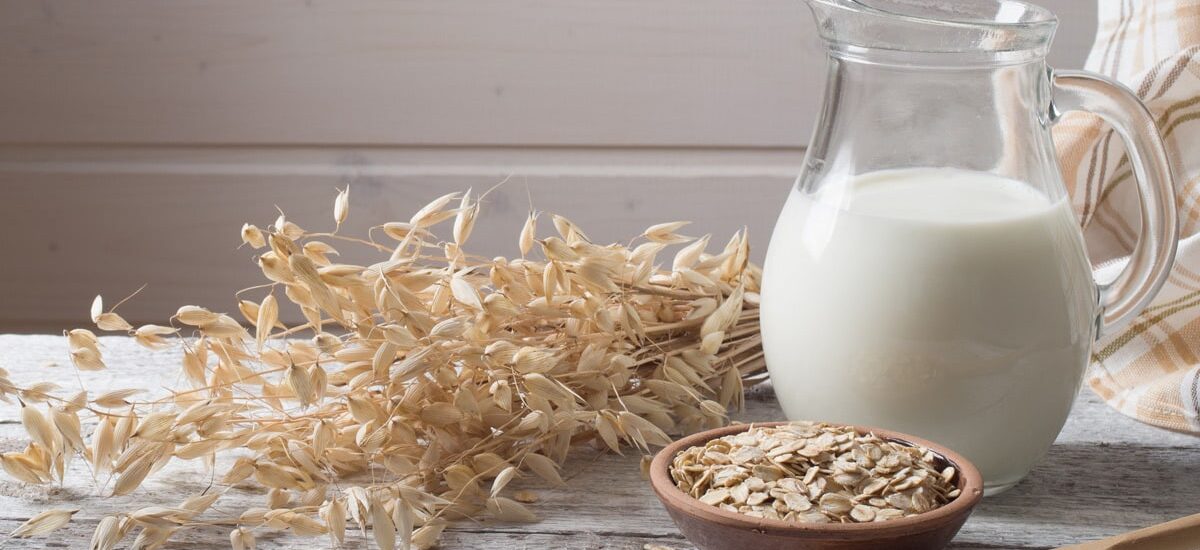
The global oat-based beverage market is experiencing explosive growth, with a new analysis revealing a healthy compound annual growth rate (CAGR) of 8.1% from 2025 to 2035. Valued at an estimated USD 924.7 million in 2025, the market is projected to more than double to a staggering USD 2,012.9 million by the end of 2035, driven by shifting consumer preferences and strategic brand innovation.
This robust growth is a testament to the powerful convergence of key consumer trends, including the rising demand for plant-based, lactose-free, and clean-label products. Oat milk, in particular, has become a preferred dairy alternative due to its creamy texture, neutral flavor, and sustainable production. The analysis, which includes a competitive breakdown of major players and their strategic responses, provides a comprehensive overview of the market’s trajectory.
Your Guide to Market Intelligence – Download a Sample Copy: https://www.futuremarketinsights.com/reports/sample/rep-gb-19630
Competitive Landscape: Tiered Innovation Defines the Market
The oat-based beverage market is a dynamic ecosystem, defined by a tiered structure of competitive players. Tier 1 companies, including Oatly AB, Califia Farms, Alpro (Danone), and Quaker Oats Company (PepsiCo), are at the forefront of innovation. They leverage extensive distribution networks and significant R&D investments to introduce a wide array of products, such as barista blends and fortified, flavored variants. Oatly AB, a pioneer in the industry, continues to drive market trends with its strong branding and sustainability-focused messaging, while Califia Farms has carved out a significant footprint in North America with its functional oat milk offerings.
Tier 2 brands, such as Pacific Foods and Hälsa Foods, differentiate themselves through premium positioning and a focus on clean-label formulations. Their appeal to health-conscious consumers who prioritize ingredient purity and transparency has allowed them to secure strong footholds in natural and specialty food retailers.
Emerging players in Tier 3, like Elmhurst 1925, are disrupting the market with innovative production methods and direct-to-consumer models. Their agile approach and creative marketing strategies, often leveraging social media and local café partnerships, are capturing niche markets and a younger, digitally native audience.
Key Drivers and Brand Responses
The report highlights several critical demand trends and the strategic responses of leading brands:
- Clean Label and Healthier Reformulations: With consumers increasingly scrutinizing ingredients, brands are reformulating products to be free of added sugars, gums, and artificial additives. Oatly has launched a “No Sugar Added” line, while Califia Farms has introduced protein-fortified oat milks with functional ingredients like turmeric.
- Ready-to-Drink (RTD) Convenience: The on-the-go lifestyle of urban millennials and Gen Z has fueled the RTD market. Brands like Oatly and Chobani have entered this space with RTD lattes and breakfast blends, making oat beverages more accessible in convenience stores and vending machines.
- Strategic Partnerships: Partnerships with cafes and major retailers have been crucial for market penetration. Oatly’s collaborations with Starbucks and Pret A Manger have made oat milk a mainstream default in many coffee chains, while Alpro’s deals with Costa Coffee have solidified its presence in the UK.
- Sustainability as a Differentiator: As environmental consciousness grows, brands are using their sustainability credentials as a competitive advantage. Oatly prominently displays its climate footprint on packaging, and Minor Figures has achieved carbon neutrality, appealing to a consumer base willing to pay more for eco-friendly products.
Regional Insights: Asia and India Emerge as High-Growth Markets
The analysis also reveals promising regional growth, particularly in Asia. While the USA and Germany continue to be significant markets with CAGRs of 5.6% and 5.2% respectively, China and India are projected to lead in growth, with impressive CAGRs of 6.4% and 7.1%. This is attributed to rapid urbanization, increasing health awareness, and a high prevalence of lactose intolerance in these regions.
In India, for example, local brands like Raw Pressery and Only Earth are positioning their oat milk at competitive price points, democratizing the category and driving market penetration.
Purchase the Complete Market Report Today: https://www.futuremarketinsights.com/checkout/19630
Future Outlook
The global oat-based beverage market is poised for continued expansion, with a shift towards organic and flavored varieties playing a key role. The organic segment holds a 27.8% value share and is driven by consumer demand for purity and sustainable agriculture. Meanwhile, flavored products, with a 36.6% share, are attracting a broader demographic with a variety of indulgent and unique tastes. As innovation continues and consumer awareness of the health and environmental benefits of oat beverages grows, the market is well on its way to achieving its projected valuation by 2035.
About Future Market Insights (FMI)
Future Market Insights, Inc. (ESOMAR certified, recipient of the Stevie Award, and a member of the Greater New York Chamber of Commerce) offers profound insights into the driving factors that are boosting demand in the market. FMI stands as the leading global provider of market intelligence, advisory services, consulting, and events for the Packaging, Food and Beverage, Consumer Technology, Healthcare, Industrial, and Chemicals markets. With a vast team of over 400 analysts worldwide, FMI provides global, regional, and local expertise on diverse domains and industry trends across more than 110 countries.
Contact Us:
Future Market Insights Inc.
Christiana Corporate, 200 Continental Drive,
Suite 401, Newark, Delaware – 19713, USA
T: +1-347-918-3531
For Sales Enquiries: sales@futuremarketinsights.com
Website: https://www.futuremarketinsights.com
LinkedIn| Twitter| Blogs | YouTube