The global Foley catheter market is on a trajectory of significant expansion, with a valuation set to more than double from USD 2,043.0 million in 2025 to a projected USD 4,125.5 million by 2035. This remarkable growth, fueled by a compelling compound annual growth rate (CAGR) of 7.6%, reflects not merely an increase in demand, but a fundamental transformation of the industry. The market is evolving to meet the complex challenges of modern healthcare, presenting a powerful opportunity for manufacturers who can align their strategies with a new emphasis on patient safety, comfort, and technological integration.
This upward momentum is a direct response to several macro-trends reshaping global healthcare. An aging population, an increasing number of surgical procedures, and a rising prevalence of chronic conditions like urological disorders, diabetes, and cancer are collectively driving the need for advanced urinary care solutions. Historically, the market grew at a steady 7.0% CAGR between 2020 and 2024, but the next decade is expected to see even more accelerated progress, with a projected CAGR of 8.0% in the second half of the forecast period from 2025 to 2035. For manufacturers, this isn’t just about meeting existing demand—it’s about anticipating and pioneering solutions for a future where patient well-being is the primary metric of success.
Click Here for More Information:- https://www.futuremarketinsights.com/reports/foley-catheter-market
Innovation to Combat CAUTIs: The New Standard in Patient Safety
The industry’s shift is particularly evident in its focus on overcoming one of the most significant challenges in clinical settings: catheter-associated urinary tract infections (CAUTIs). This is the most common complication of long-term catheterization, and it has spurred a wave of innovation. Manufacturers are proactively addressing this issue by embracing antimicrobial coating technologies. Products featuring silver-alloy, antibiotic agents, and hydrophilic polymers are taking center stage, designed to prevent bacterial colonization and biofilm formation. Clinical studies have already demonstrated the effectiveness of these advanced coatings in reducing infection rates, solidifying their widespread adoption in intensive care and post-surgical settings. For manufacturers, investing in this technology is not just about product development; it’s about helping healthcare facilities meet stringent regulatory requirements and lead global efforts to reduce hospital-acquired infections.
The Shift to Biocompatible Materials: Enhancing Comfort and Reducing Risk
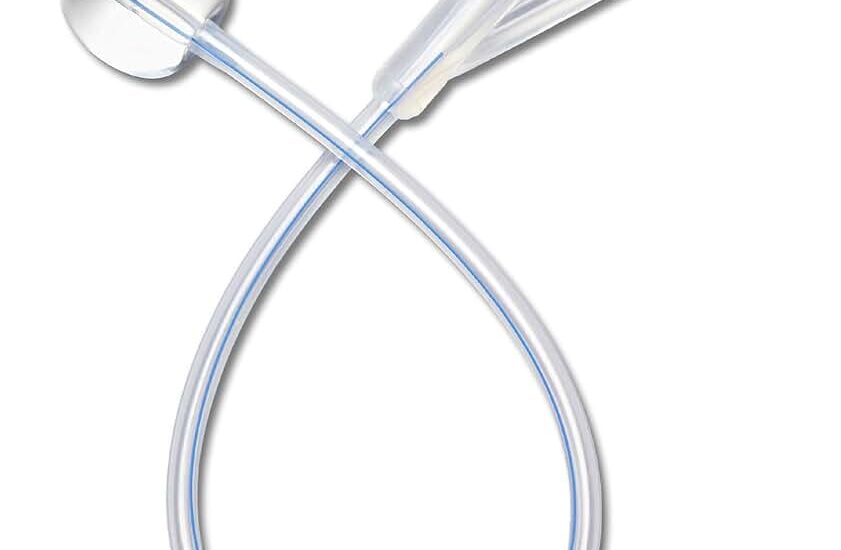
Another key transformation is the move toward biocompatible materials. The prolonged use of traditional latex catheters can lead to allergic reactions and complications in critical patients. In response, a significant shift toward silicone-based Foley catheters is underway. Silicone’s biocompatibility, non-porous surface, and higher durability make it a safer and more effective alternative, especially for long-term catheterization in patients with conditions such as spinal cord injuries or multiple sclerosis. This shift is also being supported by regulatory bodies advocating for the use of DEHP-free and BPA-free catheters. By focusing on silicone solutions, manufacturers can provide a higher-quality, more reliable product that directly addresses patient comfort and reduces the risk of allergic reactions and material degradation over time.
Sensor-Enabled Smart Catheters: The Future of Urinary Care
Perhaps the most revolutionary development is the integration of technology through sensor-enabled smart catheters. This is a burgeoning opportunity for manufacturers to lead in the digital healthcare space. These advanced devices can provide real-time monitoring of crucial biometric data, including urine output, bladder pressure, and early signs of infection. This technology allows healthcare professionals to detect complications and catheter occlusion before they escalate, significantly improving patient outcomes and potentially reducing hospitalization risks. This technological evolution aligns perfectly with the broader trend toward minimally invasive procedures and home-based healthcare, where pre-sterilized disposable catheters that are friendly to self-catheterization are gaining significant momentum.
Strategic Market Insights: Key Segments and Geographical Hotspots
The market’s growth is concentrated in specific areas, offering clear strategic targets for manufacturers. From a product perspective, 2-Way Foley Catheters are the undisputed leaders, commanding a 54.7% share of the market in 2025. Their versatility, ease of use for routine urinary catheterization, and cost-effectiveness make them the preferred choice across a wide range of medical applications, from hospitals to homecare settings. By end-user, Hospitals remain the dominant segment with a 58.6% market share, driven by a high volume of surgical procedures and critical care needs. However, the rising importance of long-term care facilities and ambulatory surgical centers presents a clear avenue for diversified growth.
Geographically, while North America and Europe will remain market leaders, the fastest growth is projected to come from the Asia-Pacific and Latin America regions. The United States is a stronghold, with a projected CAGR of 8.4% through 2035, driven by a high prevalence of chronic urological conditions. However, the most dynamic growth is expected from emerging markets. India, for instance, is projected to witness the highest CAGR of 9.4% by 2035, fueled by a booming medical tourism industry, increasing healthcare investments, and the government’s “Make in India” initiative. This data signals a clear opportunity for manufacturers to expand their global footprint by capitalizing on these high-growth regions.
Navigating Challenges and Driving Quality
Despite the positive outlook, the market is not without its challenges. The increasing frequency of product recalls, such as a recent instance involving Medline Industries, LP in February 2024, poses a significant risk to brand reputation and consumer trust. This highlights the critical importance for manufacturers to prioritize quality control, product reliability, and regulatory compliance. The market is dominated by Tier 1 companies, such as BD and Cardinal Health, which account for a 75.9% revenue share, but Tier 2 players like Coloplast and Medline are leveraging their agility to offer cost-effective, patient-friendly solutions. The ability to navigate these competitive and regulatory pressures with integrity and innovation will be essential for sustained success.
Get Sample Report: – https://www.futuremarketinsights.com/reports/sample/rep-gb-7769
About Future Market Insights (FMI)
Future Market Insights, Inc. (ESOMAR certified, recipient of the Stevie Award, and a member of the Greater New York Chamber of Commerce) offers profound insights into the driving factors that are boosting demand in the market. FMI stands as the leading global provider of market intelligence, advisory services, consulting, and events for the Packaging, Food and Beverage, Consumer Technology, Healthcare, Industrial, and Chemicals markets. With a vast team of over 400 analysts worldwide, FMI provides global, regional, and local expertise on diverse domains and industry trends across more than 110 countries.
Contact Us:
Future Market Insights Inc.
Christiana Corporate, 200 Continental Drive,
Suite 401, Newark, Delaware – 19713, USA
T: +1-347-918-3531
For Sales Enquiries: sales@futuremarketinsights.com
Website: https://www.futuremarketinsights.com
LinkedIn| Twitter| Blogs | YouTube