The two wheeler suspension system market is anticipated to expand its roots at an average CAGR of 4.9% during the forecast period. The market is likely to hold a revenue of USD 1.65 billion in 2023 while it is anticipated to cross a value of USD 2.61 billion by 2033.
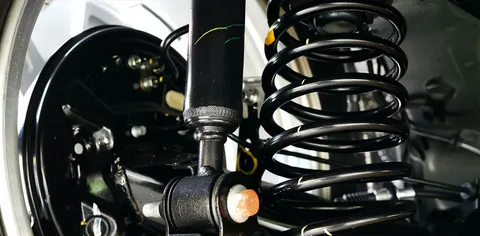
The two-wheeler suspension system market is gaining momentum as manufacturers and consumers alike prioritize ride comfort, handling precision, and safety in motorcycles and scooters. These suspension systems, comprising front forks, rear shocks, and advanced damping mechanisms, play a pivotal role in absorbing road shocks, maintaining tire-road contact, and ensuring optimal vehicle control. As urban mobility evolves and consumer expectations rise, suspension systems are undergoing continuous innovation to meet the demands of performance, comfort, and adaptability.
Elevating Riding Comfort Across Terrains
Two-wheeler suspension systems are instrumental in providing a smooth ride experience across varying road conditions. Whether navigating urban potholes or rugged off-road trails, suspension components help reduce vibrations and jolts transmitted to the rider. This not only enhances comfort but also minimizes rider fatigue on longer journeys, making daily commutes and recreational rides more enjoyable and manageable.
Get Ahead with Our Report: Request Your Sample Now!
Optimizing Stability and Safety
Suspension systems directly influence vehicle stability and braking efficiency. By ensuring consistent contact between tires and the road surface, these systems contribute to better traction, cornering control, and safer braking—especially under sudden maneuvers or uneven terrain. Enhanced stability features are particularly important for high-speed bikes and for ensuring passenger safety in two-wheeler taxis and delivery fleets.
Adapting to Electric and Hybrid Platforms
With the rise of electric two-wheelers, suspension systems are being reengineered to accommodate unique weight distributions and torque profiles. Lighter chassis and battery placements call for recalibrated suspension geometries that maintain balance and comfort. Advanced damping technologies and regenerative-compatible designs are being developed to support the expanding segment of electric mobility.
Customizable Solutions for Diverse Vehicle Classes
From commuter scooters and mopeds to high-performance motorcycles and touring bikes, the two-wheeler market spans a wide spectrum of user needs. Suspension systems are increasingly being customized to match different vehicle classes and rider preferences. Adjustable preload settings, inverted forks, mono-shock configurations, and electronically controlled damping are becoming standard in various segments, offering riders a more tailored experience.
Technological Innovations Driving Performance
Modern suspension systems are integrating technologies like semi-active damping, air suspension, and electronic ride height adjustment. These features allow real-time adaptation to road conditions and load changes, enhancing both performance and safety. Sensor-based systems and ride analytics are enabling smarter suspension responses, transforming mechanical components into intelligent ride management tools.
Manufacturing Advancements and Lightweight Materials
Advancements in materials science are leading to the development of lightweight yet durable suspension components. The use of alloys, composites, and precision machining techniques reduces overall vehicle weight without compromising strength or reliability. These innovations not only improve fuel efficiency and battery performance in electric models but also contribute to a more responsive and agile ride.
Aftermarket Growth and Customization Trends
The two-wheeler aftermarket is witnessing a surge in demand for performance suspension upgrades. Enthusiasts and everyday riders alike seek enhancements in handling and comfort, leading to a growing ecosystem of shock absorbers, fork kits, and suspension tuning services. This trend reflects a broader movement toward vehicle personalization and performance optimization.
Sustainability and Circular Economy Considerations
As sustainability becomes a central theme in mobility, suspension system manufacturers are adopting environmentally responsible practices. Recyclable materials, extended product lifecycles, and remanufacturing initiatives are helping reduce the environmental footprint of suspension production and disposal. These efforts align with the growing emphasis on green mobility and circular supply chains.
Catapult Your Strategy: Secure Key Insights with Our Report Checkout!
Regional Trends and Urban Mobility Dynamics
Urbanization and rising two-wheeler usage in emerging economies are fueling demand for durable and cost-effective suspension systems. In contrast, developed regions are witnessing increased adoption of premium suspension technologies in performance and leisure segments. The market is responding with region-specific product development strategies tailored to diverse infrastructure and consumer behaviors.
Future Outlook
The two-wheeler suspension system market is poised for dynamic growth, driven by shifting mobility patterns, electrification, and rider-centric innovation. As OEMs and suppliers focus on delivering enhanced ride quality, safety, and adaptability, suspension systems will remain a critical component in shaping the next generation of two-wheeler design and performance. With ongoing advancements in smart materials, electronic integration, and modular architecture, the future of two-wheeler suspension promises a blend of technology, comfort, and reliability tailored to a rapidly transforming mobility landscape.
About Future Market Insights (FMI)
Future Market Insights, Inc. (ESOMAR certified, recipient of the Stevie Award, and a member of the Greater New York Chamber of Commerce) offers profound insights into the driving factors that are boosting demand in the market. FMI stands as the leading global provider of market intelligence, advisory services, consulting, and events for the Packaging, Food and Beverage, Consumer Technology, Healthcare, Industrial, and Chemicals markets. With a vast team of 400 analysts worldwide, FMI provides global, regional, and local expertise on diverse domains and industry trends across more than 110 countries.
Contact Us:
Future Market Insights Inc.
Christiana Corporate, 200 Continental Drive,
Suite 401, Newark, Delaware – 19713, USA
T: +1-845-579-5705
For Sales Enquiries: sales@futuremarketinsights.com
Website: https://www.futuremarketinsights.com
LinkedIn| Twitter| Blogs | YouTube