In the quiet corners of closets and behind the glimmer of high-end fashion studios, a humble yet high-performing appliance is beginning to command attention across the globe: the garment steamer. Once considered a niche product, garment steamers are now rapidly steaming ahead—both literally and figuratively—into the mainstream consumer appliance sector.
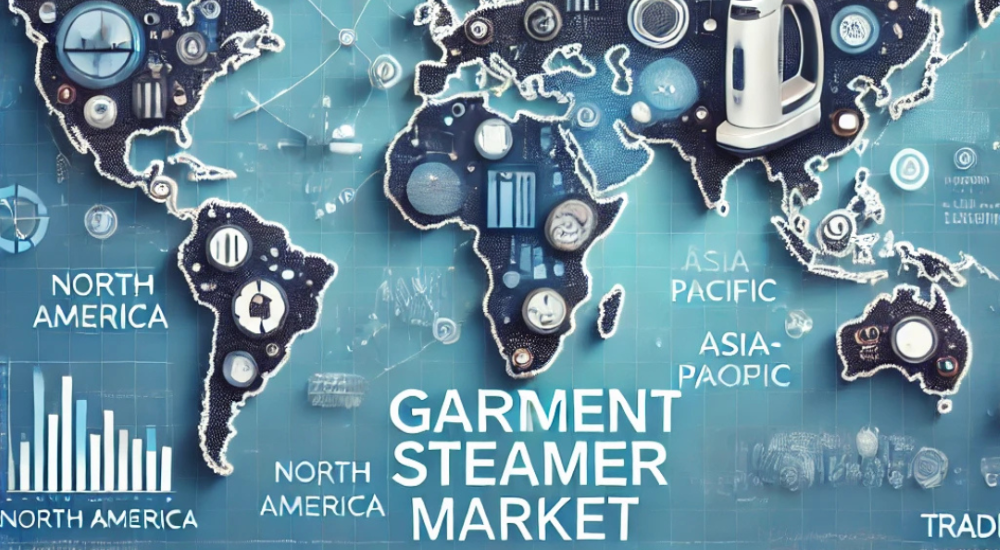
According to the latest industry estimates, the global Garment Steamer Market is projected to reach USD 2.29 billion by the end of 2025, with forecasts placing the industry’s value at USD 4.26 billion by 2035, representing a compound annual growth rate (CAGR) of 6.4% over the ten-year period. This surge is more than just numbers—it reflects evolving consumer preferences, technological innovation, and a shift in the way we care for our clothes in an increasingly fast-paced world.
Discover key market opportunities – Request your sample report now! https://www.futuremarketinsights.com/reports/sample/rep-gb-7883
Changing Lifestyles Drive Adoption
The growth of the garment steamer market aligns with broader lifestyle and demographic trends. With increased participation in professional environments, frequent travel, and remote work becoming the norm in many regions, consumers are prioritizing convenience and speed in their daily routines. Garment steamers—offering quick wrinkle removal without the need for ironing boards—are well-suited to these evolving needs.
The increasing preference for garments made from delicate fabrics, which are often unsuitable for traditional irons, has also contributed to the demand. Additionally, younger consumers are showing a stronger inclination toward personal grooming and wardrobe maintenance, further expanding the potential customer base.
Product Diversification and Innovation
Over the past five years, manufacturers have introduced a variety of steamer types catering to both home and travel use. From compact handheld models to high-capacity vertical units, product offerings have diversified to meet different lifestyle requirements.
Recent innovations include:
- Faster heat-up times
- Automatic shut-off mechanisms
- Adjustable steam settings
- Antibacterial and anti-scale technologies
Some premium models now feature smart connectivity, enabling integration with mobile apps and smart home systems. These developments have increased the appeal of garment steamers, positioning them not just as appliances, but as part of a modern, tech-enabled home.
E-Commerce and the Rise of Digital Retail
Online retail channels have played a significant role in expanding the global reach of garment steamers. Platforms like Amazon, Alibaba, and others have enabled manufacturers to directly engage with consumers across both developed and emerging markets.
The availability of customer reviews, instructional videos, and product comparisons has also supported purchase decisions, especially in regions where brick-and-mortar access is limited. Seasonal promotions and bundled deals with clothing or home appliances further drive online sales.
Regional Trends and Market Penetration
- North America and Western Europe have seen steady growth, with rising adoption driven by lifestyle convenience and a focus on garment care alternatives to dry cleaning.
- In the Asia-Pacific region, rapid urbanization, increasing disposable incomes, and a growing fashion-conscious middle class have fueled demand.
- Latin America and parts of Africa are emerging as new frontiers for market expansion, as local economies develop and urban infrastructure improves.
Barriers to Growth
Despite the market’s promising outlook, challenges remain. Traditional steam irons continue to dominate in some regions due to their lower cost and established presence. In price-sensitive markets, convincing consumers to adopt garment steamers as an alternative still poses a challenge.
Additionally, the influx of low-cost, substandard products in the market has raised concerns around product safety and durability, especially in unregulated or loosely monitored retail environments.
Key Garment Steamer Industry Segmentation and Analysis Across Evolving Consumer Preferences
By Detailed Product Type:
The garment steamer industry is segmented into handheld/portable garment steamer and upright/ non-portable garment steamer.
By Sales Channel:
The industry is divided into direct sales, hypermarkets/supermarkets, multi-brand stores, exclusive stores, independent stores, online stores, and other sales channels.
By Region:
The industry spans North America, Latin America, Europe, East Asia, South Asia, Oceania, and MEA.
Access the complete industry report—buy now! https://www.futuremarketinsights.com/checkout/7883
About Future Market Insights (FMI)
Future Market Insights, Inc. (ESOMAR certified, recipient of the Stevie Award, and a member of the Greater New York Chamber of Commerce) offers profound insights into the driving factors that are boosting demand in the market. FMI stands as the leading global provider of market intelligence, advisory services, consulting, and events for the Packaging, Food and Beverage, Consumer Technology, Healthcare, Industrial, and Chemicals markets. With a vast team of over 400 analysts worldwide, FMI provides global, regional, and local expertise on diverse domains and industry trends across more than 110 countries.
Contact Us:
Future Market Insights Inc.
Christiana Corporate, 200 Continental Drive,
Suite 401, Newark, Delaware – 19713, USA
T: +1-347-918-3531
For Sales Enquiries: sales@futuremarketinsights.com
Website: https://www.futuremarketinsights.com
LinkedIn| Twitter| Blogs | YouTube