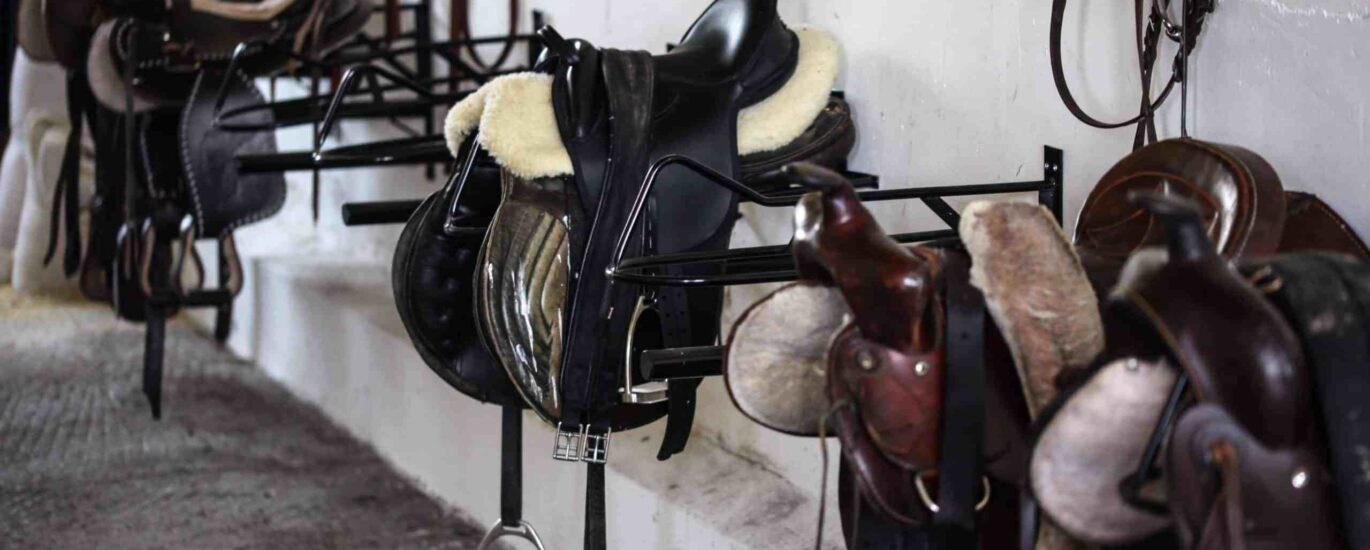
The thunder of hooves and the glint of polished saddles may evoke romantic images of equestrian grace and tradition, but behind this heritage sport lies a steadily expanding global market—one that is expected to reach USD 3,532.7 million by 2035, up from USD 2,386.5 million in 2025. Driven by a compound annual growth rate (CAGR) of 4.0%, the horse riding equipment industry is entering a new decade of innovation, sustainability, and shifting consumer demographics.
Discover key market opportunities – Request your sample report now! https://www.futuremarketinsights.com/reports/sample/rep-gb-12258
A Market in Motion
For centuries, equestrianism has been deeply rooted in history, culture, and sport. Yet today’s horse riding equipment market tells a modern story of technological advancement, branding, and evolving consumer expectations.
The market includes a broad range of products—saddles, bridles, helmets, riding boots, gloves, apparel, protective gear, grooming supplies, and accessories—all essential for equestrian sports, leisure riding, and even therapeutic horsemanship. From amateur hobbyists to competitive riders and elite racecourses, demand is rising across the spectrum.
According to industry analysts, this USD 1.15 billion projected growth over the next ten years will be driven by multiple intersecting factors: rising interest in equestrian sports, increasing disposable incomes in emerging economies, a growing emphasis on rider and horse safety, and the growing visibility of equestrianism on digital platforms.
The Drivers Behind the Saddle
- Surge in Equestrian Sports and Leisure Riding: Events such as show jumping, dressage, polo, and rodeo have gained broader visibility through streaming platforms and international coverage. Additionally, riding as a form of recreation and therapy is seeing uptake in North America and parts of Europe. In emerging markets, the aspirational appeal of equestrian sports is attracting a new class of consumers.
- Technological Innovation: The last decade has seen an influx of tech into this traditionally conservative sector. Smart saddles equipped with pressure sensors, helmets with integrated GPS and impact monitoring, and lightweight yet durable materials for gear are elevating safety and performance. This technological integration not only meets safety regulations but also appeals to the younger, tech-savvy demographic.
- E-Commerce and Digital Branding: Brands that traditionally sold through brick-and-mortar tack shops are now reaching global audiences via e-commerce. Social media influencers and elite athletes have transformed how gear is marketed. A rider in Germany can now shop from an artisan saddle maker in Argentina with a few clicks.
Regional Breakdown: Who’s Leading the Ride?
- North America remains a dominant force in the horse riding equipment market, thanks to its established equestrian culture and high participation in organized events. The U.S. leads with significant investments in innovation, particularly in protective gear and therapeutic riding programs.
- Europe follows closely, especially countries like the UK, Germany, and France, where equestrianism is not only a sport but a cultural institution. Strict safety regulations in the EU are also boosting demand for certified, high-end gear.
- Asia-Pacific is the fastest-growing market. In countries like China, India, and South Korea, rising disposable incomes and increasing interest in luxury and recreational sports are driving demand. Equestrian clubs are emerging as symbols of status and leisure.
- Latin America and the Middle East are showing steady growth. Argentina and Brazil have deep-rooted equestrian traditions, while nations like the UAE are investing heavily in world-class equestrian facilities and events.
Challenges in the Path
Despite promising growth, the market faces challenges. High costs of premium gear limit accessibility in certain regions. Moreover, supply chain disruptions, especially in leather and metal manufacturing, have created delays and inflation in equipment pricing. Regulatory standards differ across countries, making international expansion more complex for manufacturers.
Additionally, animal rights advocacy groups continue to scrutinize equestrian sports, pushing for reforms in competition practices and equipment standards. Brands must navigate the fine line between tradition and ethical responsibility.
Market Segmentation
By Product Type:
Helmets and Others are the key segments driving market growth.
By Material Type:
The material type segment is segregated into Leather and Others.
By Region:
The market spans across North America, Latin America, East Asia, South Asia & Pacific, Western Europe, Eastern Europe, and the Middle East & Africa.
Purchase the in-depth market report now! https://www.futuremarketinsights.com/checkout/12258
About Future Market Insights (FMI)
Future Market Insights, Inc. (ESOMAR certified, recipient of the Stevie Award, and a member of the Greater New York Chamber of Commerce) offers profound insights into the driving factors that are boosting demand in the market. FMI stands as the leading global provider of market intelligence, advisory services, consulting, and events for the Packaging, Food and Beverage, Consumer Technology, Healthcare, Industrial, and Chemicals markets. With a vast team of over 400 analysts worldwide, FMI provides global, regional, and local expertise on diverse domains and industry trends across more than 110 countries.
Contact Us:
Future Market Insights Inc.
Christiana Corporate, 200 Continental Drive,
Suite 401, Newark, Delaware – 19713, USA
T: +1-347-918-3531
For Sales Enquiries: sales@futuremarketinsights.com
Website: https://www.futuremarketinsights.com
LinkedIn| Twitter| Blogs | YouTube