The global automotive wheel bearing aftermarket is projected to expand from USD 1.56 billion in 2025 to USD 2.27 billion by 2035, reflecting a CAGR of 3.8% during the forecast period. This growth is being supported by the increasing age of vehicles, the expansion of vehicle fleets, and worsening road infrastructure across key developing economies.
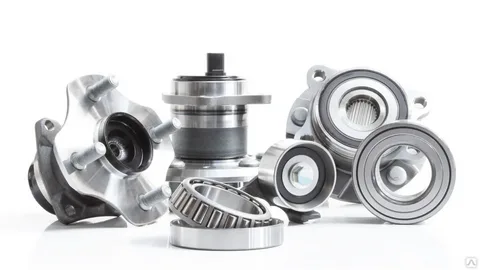
The automotive wheel bearing aftermarket is expanding as vehicle owners, service providers, and fleet operators prioritize maintenance, performance, and safety. Wheel bearings play a critical role in the drivetrain, enabling smooth wheel rotation and supporting the vehicle’s weight while minimizing friction. Over time, these components experience wear due to load, heat, moisture, and road contaminants—driving strong demand for reliable replacement solutions and upgrades in the global aftermarket.
Essential for Stability, Performance, and Safety
Wheel bearings are fundamental to safe and efficient vehicle operation. Positioned within the hub assembly, they absorb radial and axial loads while supporting consistent wheel alignment. When compromised, faulty bearings can lead to vibrations, reduced steering control, and increased tire wear. Replacing worn-out bearings on time ensures better ride comfort, handling stability, and braking responsiveness—key factors in driver safety.
Get Ahead with Our Report: Request Your Sample Now!
Rising Vehicle Age Driving Replacement Demand
As the average age of vehicles on the road increases globally, the need for high-quality replacement components is growing. Bearings typically require replacement after years of service, particularly in regions with rough terrain or extreme weather. The growing population of used vehicles and extended ownership cycles are directly contributing to the growth of the wheel bearing aftermarket.
Growth in DIY Culture and Independent Garages
The popularity of do-it-yourself (DIY) vehicle maintenance and the proliferation of independent auto repair shops are fueling the aftermarket for wheel bearings. Easy access to replacement kits, online tutorials, and aftermarket brands allows consumers and technicians to handle routine maintenance without relying solely on dealerships. This shift is expanding the reach of aftermarket suppliers and boosting demand for standardized, easy-to-install bearing components.
Technology Integration in Modern Bearing Assemblies
Modern wheel bearing units are often integrated with ABS (Anti-lock Braking System) sensors and other electronic control systems. As such, the aftermarket is evolving to provide advanced, sensor-compatible hub assemblies that meet or exceed OEM specifications. These units not only restore mechanical function but also ensure proper operation of vehicle safety systems.
Product Standardization and Quality Assurance Gaining Importance
With a wide variety of vehicle models and drivetrain configurations, standardized sizing and quality control are key for the aftermarket. Manufacturers are offering vehicle-specific bearing solutions that are pre-lubricated, sealed for life, and compliant with international safety and performance standards. Enhanced product labeling and traceability features help ensure proper fitment and reduce the risk of counterfeit parts in the supply chain.
E-Commerce and Digital Platforms Driving Sales
Online marketplaces are playing a growing role in the wheel bearing aftermarket, offering consumers and professionals convenient access to a wide range of parts. E-commerce platforms enable easy comparison, fast shipping, and access to technical support, while digital catalogs help users identify the correct bearing type based on vehicle model and driving conditions.
Increased Focus on Durability and Low Maintenance
Aftermarket wheel bearing solutions are increasingly designed for longer service life and reduced maintenance. Improved sealing technologies, high-performance lubricants, and corrosion-resistant materials help bearings withstand extreme conditions and extend replacement intervals. This trend is especially important for commercial fleets, where downtime and maintenance costs significantly impact operations.
Sustainability and Circular Economy Considerations
As environmental regulations influence the automotive industry, some aftermarket suppliers are incorporating recycled materials and adopting energy-efficient manufacturing practices. Refurbishment and remanufacturing of wheel hub assemblies are also emerging as cost-effective and eco-friendly alternatives for certain market segments, supporting a circular economy approach.
Regional Demand Influenced by Road Conditions and Driving Habits
Regional factors such as road infrastructure, climate, and vehicle usage patterns affect bearing wear and replacement cycles. In regions with unpaved roads or high humidity, demand for robust and weather-resistant wheel bearings is higher. This regional variation is driving product diversification and localized strategies for aftermarket players.
Drive Your Business Growth Strategy: Checkout the Report for Key Insights!
Future Outlook
The automotive wheel bearing aftermarket is poised for steady growth, driven by rising vehicle longevity, consumer preference for cost-effective maintenance, and the increasing complexity of wheel assemblies. As aftermarket brands focus on quality, compatibility, and digital engagement, they will play a vital role in keeping vehicles roadworthy, safe, and efficient for years to come. With advancements in technology and growing market accessibility, the aftermarket for wheel bearings is well-positioned to meet evolving demands across the global automotive landscape.
About Future Market Insights (FMI)
Future Market Insights, Inc. (ESOMAR certified, recipient of the Stevie Award, and a member of the Greater New York Chamber of Commerce) offers profound insights into the driving factors that are boosting demand in the market. FMI stands as the leading global provider of market intelligence, advisory services, consulting, and events for the Packaging, Food and Beverage, Consumer Technology, Healthcare, Industrial, and Chemicals markets. With a vast team of 400 analysts worldwide, FMI provides global, regional, and local expertise on diverse domains and industry trends across more than 110 countries.
Contact Us:
Future Market Insights Inc.
Christiana Corporate, 200 Continental Drive,
Suite 401, Newark, Delaware – 19713, USA
T: +1-845-579-5705
For Sales Enquiries: sales@futuremarketinsights.com
Website: https://www.futuremarketinsights.com
LinkedIn| Twitter| Blogs | YouTube