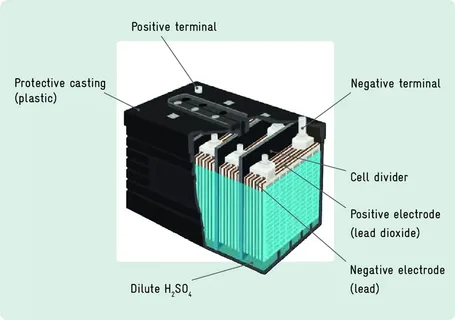
The two-wheeler lead acid batteries market is set to grow at a CAGR of 8%, rising from USD 6.1 billion in 2025 to USD 13.2 billion by 2035. Growth has been driven by the increasing adoption of two-wheelers in developing economies, where cost-sensitive consumers prefer reliable and affordable energy solutions. Lead acid batteries have continued to serve as the primary power source in both internal combustion and electric two-wheelers due to their established recycling processes, low upfront cost, and compatibility with entry-level vehicle models.
The two-wheeler lead acid batteries market continues to thrive as millions of motorcycles, scooters, and mopeds globally rely on these dependable energy sources for starting, lighting, and ignition (SLI) functions. Despite the rise of lithium-ion alternatives, lead acid batteries remain the dominant technology in many regions due to their affordability, widespread availability, and proven reliability. From commuter bikes in emerging economies to utility scooters in urban environments, lead acid batteries support essential transportation needs with cost-effective energy storage solutions.
Enabling Reliable and Affordable Two-Wheeler Operation
Lead acid batteries are a crucial component in two-wheelers, offering consistent performance for ignition systems, lights, horns, and other electrical accessories. Their simple construction and robust design make them suitable for varied environmental conditions, ensuring dependable starts and electrical support even in harsh or humid climates. For millions of riders, lead acid batteries provide an accessible solution to keep vehicles running smoothly with minimal maintenance.
Get Ahead with Our Report: Request Your Sample Now!
https://www.futuremarketinsights.com/reports/sample/rep-gb-11142
Strong Demand in Developing and High-Volume Markets
Emerging economies across Asia, Latin America, and Africa account for a significant share of the two-wheeler market, where affordability, ease of use, and availability are top priorities. In these regions, lead acid batteries continue to be the preferred choice due to their low upfront cost and well-established distribution networks. Additionally, strong aftermarket demand—driven by routine battery replacement cycles—keeps the market buoyant across high-volume user bases.
Aftermarket Sales Driving Continuous Growth
The two-wheeler lead acid battery market is heavily supported by the aftermarket, as batteries typically require replacement every few years depending on usage and environmental factors. The consistent demand from daily commuters and delivery operators fuels steady sales of replacement units. Retailers, repair shops, and roadside mechanics form an integral part of the supply chain, ensuring that replacement batteries remain readily available across urban and rural areas alike.
Sealed Maintenance-Free (SMF) Batteries Gaining Popularity
Although traditional flooded lead acid batteries are still in use, sealed maintenance-free (SMF) variants are rapidly gaining ground. These batteries offer enhanced convenience, require no water top-ups, and are less prone to leakage or corrosion. SMF technology appeals to urban consumers seeking hassle-free battery ownership while retaining the affordability and reliability associated with lead acid chemistry.
Integration with Electric Kick Starters and Enhanced Features
Modern two-wheelers increasingly feature electric start systems, digital consoles, and USB charging ports. Lead acid batteries are evolving to meet these energy demands with improved charge acceptance, better vibration resistance, and enhanced durability. Manufacturers are also designing compact battery units to accommodate space constraints in newer vehicle models, supporting flexible installation without sacrificing performance.
Environmental Considerations and Recycling Infrastructure
One of the key strengths of lead acid batteries is their high recyclability. Over 90% of the battery components, including lead, plastic casing, and electrolytes, can be recovered and reused. In countries with well-developed recycling infrastructure, this makes lead acid batteries one of the most sustainable energy storage technologies. However, safe handling, regulated disposal, and awareness campaigns remain essential to mitigate environmental risks in regions where informal recycling is prevalent.
Competitive Landscape with Regional and Global Players
The two-wheeler lead acid battery market features a mix of global battery manufacturers and strong regional brands that cater to local price and performance expectations. These companies compete on factors such as battery lifespan, cranking power, build quality, warranty coverage, and service network reach. Brand loyalty and availability at retail outlets significantly influence consumer preferences, especially in the aftermarket segment.
Technological Improvements Supporting Longer Life and Higher Performance
Recent advancements in lead acid battery design include improved plate construction, anti-sulfation additives, and enhanced separators. These innovations aim to extend battery life, support deeper discharge cycles, and reduce self-discharge rates. Some manufacturers also offer batteries with built-in indicators for state-of-charge monitoring, giving users better control over maintenance and replacement timing.
Challenges and Opportunities in the Transition to Electric Mobility
As electric two-wheelers gain momentum, lithium-ion batteries are increasingly being used in propulsion systems. However, lead acid batteries still hold relevance in low-speed electric vehicles and e-scooters targeting budget-conscious consumers. Hybrid solutions and dual-battery models are also emerging, creating opportunities for lead acid batteries to remain part of the evolving two-wheeler ecosystem.
Drive Your Business Growth Strategy: Checkout the Report for Key Insights!
https://www.futuremarketinsights.com/checkout/11142
Future Outlook
While newer technologies are reshaping the energy storage landscape, the two-wheeler lead acid batteries market is expected to maintain a strong foothold due to its economic viability, extensive recycling ecosystem, and continuous product innovation. As millions of riders worldwide continue to depend on affordable mobility, lead acid batteries will remain a reliable power source, ensuring that the market evolves steadily while supporting global transportation needs.
Future Market Insights, Inc. (ESOMAR certified, recipient of the Stevie Award, and a member of the Greater New York Chamber of Commerce) offers profound insights into the driving factors that are boosting demand in the market. FMI stands as the leading global provider of market intelligence, advisory services, consulting, and events for the Packaging, Food and Beverage, Consumer Technology, Healthcare, Industrial, and Chemicals markets. With a vast team of 400 analysts worldwide, FMI provides global, regional, and local expertise on diverse domains and industry trends across more than 110 countries.
Contact Us:
Future Market Insights Inc.
Christiana Corporate, 200 Continental Drive,
Suite 401, Newark, Delaware – 19713, USA
T: +1-845-579-5705
For Sales Enquiries: sales@futuremarketinsights.com
Website: https://www.futuremarketinsights.com
LinkedIn| Twitter| Blogs | YouTube