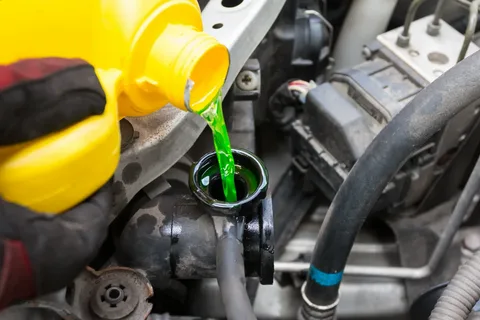
The global automotive coolant market is projected to reach approximately USD 1,306.1 million by 2035, up from USD 960.1 million in 2025, reflecting a compound annual growth rate of 3.1%. This growth is being sustained by heightened diligence in routine vehicle servicing and increased reliance on high-performance, OEM-certified coolant formulations. Demand has been further reinforced by expanding global vehicle fleets and higher engine thermal loads driven by turbocharged powertrain adoption.
The automotive coolant aftermarket continues to expand as vehicle owners and service providers prioritize thermal system maintenance, engine protection, and fuel efficiency. Coolants—also known as antifreeze—are essential fluids that regulate engine temperature, prevent freezing in cold climates, and reduce corrosion and scale buildup in engine components. As global vehicle fleets age and routine servicing becomes more crucial, the demand for high-quality aftermarket coolants is rising across passenger vehicles, commercial fleets, and off-road vehicles.
Protecting Engines from Overheating and Corrosion
Coolants play a vital role in maintaining optimal engine temperatures under varying operating conditions. By transferring heat away from the engine block and maintaining pressure within the cooling system, coolants help prevent overheating and component failure. Additionally, corrosion inhibitors in coolant formulations protect radiators, water pumps, gaskets, and cylinder heads from rust and pitting—ensuring the long-term health and efficiency of the powertrain.
Get Ahead with Our Report: Request Your Sample Now!
https://www.futuremarketinsights.com/reports/sample/rep-gb-11693
Strong Demand from Passenger and Commercial Vehicle Segments
The aftermarket for automotive coolants serves a broad range of vehicles, from family sedans and SUVs to delivery trucks and heavy-duty commercial vehicles. As vehicle ownership rates rise in emerging markets and older vehicles remain in use across mature economies, coolant replacement becomes a key part of preventative maintenance. Regular coolant flushes and top-ups are essential for preserving performance and minimizing costly engine repairs.
Rising Preference for Long-Life and Hybrid Coolants
Modern engines, especially those in performance and hybrid vehicles, generate higher thermal loads, prompting demand for advanced coolants with longer service intervals and superior heat dissipation. Long-life organic acid technology (OAT) and hybrid organic acid technology (HOAT) coolants are gaining popularity for their extended protection against corrosion and reduced frequency of replacement. These formulations are increasingly adopted in both OEM-specified service and aftermarket applications.
Retail and Service Channels Powering Aftermarket Expansion
Coolants are widely available through a combination of brick-and-mortar retail stores, authorized service centers, gas stations, and online marketplaces. Automotive workshops and quick-lube centers also drive significant coolant demand, particularly in urban areas. DIY enthusiasts contribute to sales through auto parts retailers and e-commerce platforms, where easy-to-use premixed coolants and refill kits are marketed for convenience and compatibility.
Impact of Vehicle Electrification and New Powertrains
The rise of electric and hybrid vehicles introduces new thermal management requirements, including battery cooling, inverter regulation, and motor temperature control. These systems use specially formulated coolants or dielectric fluids that offer precise thermal conductivity and electrical insulation. As EV adoption grows, the aftermarket is adapting to include these new fluid types, expanding the scope of coolant solutions beyond internal combustion engine (ICE) vehicles.
Importance of Compatibility and OEM Standards
Coolant selection in the aftermarket is influenced by compatibility with specific vehicle models, OEM specifications, and regional climate conditions. Manufacturers offer coolants in various formulations—such as ethylene glycol and propylene glycol bases—tailored for specific cooling systems and metallurgy. Aftermarket suppliers provide cross-reference tools and color-coded packaging to simplify correct product selection for technicians and consumers.
Sustainability and Environmentally Safe Formulations
Environmental concerns are shaping the development of eco-friendly coolants with reduced toxicity and biodegradable properties. Propylene glycol-based coolants are favored for their lower environmental impact, especially in sensitive applications such as agricultural vehicles and marine engines. Proper disposal and recycling of used coolants are also critical, prompting regulatory efforts and awareness campaigns to promote responsible maintenance practices.
Brand Competition and Product Innovation
The aftermarket is highly competitive, with both global fluid manufacturers and regional players offering differentiated coolant solutions. Key differentiators include anti-corrosion properties, boil-over protection, freeze resistance, and extended lifespan. Product innovations such as low-silicate, phosphate-free, and borate-free formulations are gaining traction, particularly among vehicles with aluminum engine components or high-performance cooling systems.
Digital Tools and Maintenance Awareness Boosting Market Growth
The growing use of vehicle diagnostics, service reminders, and mobile apps is helping drivers stay on top of coolant maintenance schedules. Automotive service chains are offering bundled coolant inspections with oil changes and seasonal tune-ups, raising awareness of cooling system health. Digital platforms also enable targeted marketing of coolant products based on vehicle history and regional climate patterns.
Drive Your Business Growth Strategy: Checkout the Report for Key Insights!
https://www.futuremarketinsights.com/checkout/11693
Future Outlook
The automotive coolant aftermarket is set to maintain steady growth, driven by routine vehicle maintenance, rising thermal system complexity, and evolving coolant technologies. As the global fleet diversifies with electric and hybrid vehicles, coolant providers will need to innovate for emerging thermal management needs. With increasing emphasis on engine longevity, energy efficiency, and sustainability, the aftermarket will remain a critical channel for delivering high-performance coolant solutions that keep vehicles running smoothly and reliably.
About Future Market Insights (FMI)
Future Market Insights, Inc. (ESOMAR certified, recipient of the Stevie Award, and a member of the Greater New York Chamber of Commerce) offers profound insights into the driving factors that are boosting demand in the market. FMI stands as the leading global provider of market intelligence, advisory services, consulting, and events for the Packaging, Food and Beverage, Consumer Technology, Healthcare, Industrial, and Chemicals markets. With a vast team of 400 analysts worldwide, FMI provides global, regional, and local expertise on diverse domains and industry trends across more than 110 countries.
Contact Us:
Future Market Insights Inc.
Christiana Corporate, 200 Continental Drive,
Suite 401, Newark, Delaware – 19713, USA
T: +1-845-579-5705
For Sales Enquiries: sales@futuremarketinsights.com
Website: https://www.futuremarketinsights.com
LinkedIn| Twitter| Blogs | YouTube