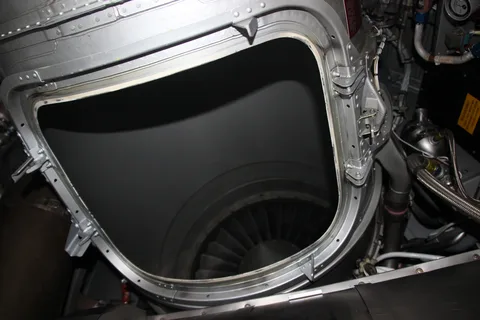
The aircraft tube and duct assemblies market was valued at USD 1,678.9 million in 2025 and is projected to reach USD 3,938.3 million by 2035, registering a CAGR of 8.9%. This growth has been driven by the increasing demand for lightweight, corrosion-resistant assemblies in aerospace platforms. Performance requirements across modern aircraft-ranging from thermal management to pressurized fluid systems-have reshaped the material and design standards in the tubing sector.
The aircraft tube and duct assemblies market is growing steadily as aerospace manufacturers prioritize efficient fluid and air management systems to ensure aircraft performance, safety, and regulatory compliance. These assemblies play a vital role in routing fuel, hydraulic fluids, oxygen, air, and other critical media across various aircraft systems. From commercial airliners and business jets to military aircraft and space vehicles, tube and duct assemblies are essential for reliable operations in high-performance, high-pressure environments.
Enabling Precision in Fluid and Air Routing
Aircraft tube and duct assemblies are engineered to transport fluids and gases through complex systems such as fuel delivery, hydraulic actuation, environmental control, and engine bleed air. These components are designed to withstand extreme temperatures, pressures, and vibrations while ensuring minimal pressure drops and efficient flow. Precision in design and integration is key to maintaining performance, safety, and fuel efficiency throughout an aircraft’s lifecycle.
Get Ahead with Our Report: Request Your Sample Now!
https://www.futuremarketinsights.com/reports/sample/rep-gb-3716
Wide Applications Across Commercial and Defense Sectors
The market serves a broad range of applications, including commercial aviation, defense aviation, rotary-wing aircraft, and unmanned aerial vehicles (UAVs). In commercial aviation, assemblies are used extensively in cabin air conditioning, engine cooling, and fuel distribution systems. Military aircraft depend on robust and lightweight tube and duct solutions for combat readiness and mission-critical operations. With the expansion of UAVs and emerging aerial platforms, the demand for compact, efficient routing systems continues to grow.
Material Innovation for Weight Reduction and Durability
The aerospace sector demands materials that offer high strength-to-weight ratios, corrosion resistance, and thermal stability. Tube and duct assemblies are manufactured using stainless steel, titanium, aluminum alloys, and high-performance composites. These materials provide durability under harsh conditions while supporting the industry’s push toward lightweight construction and fuel savings. Composite ducts and titanium tubing are especially favored in next-generation aircraft platforms for their combined performance and weight advantages.
Custom-Engineered Solutions for Complex Aerospace Needs
Manufacturers offer custom-designed tube and duct assemblies to meet the precise specifications of each aircraft model. These include pre-formed rigid tubes, flexible hoses, welded assemblies, and insulated ducts. Advanced computer-aided design and simulation tools are used to optimize geometry, ensure seamless integration, and minimize installation complexity. Modular designs and preassembled units help streamline aircraft assembly and maintenance processes.
Supporting Environmental Control and Thermal Management
Environmental control systems (ECS) depend heavily on duct assemblies to maintain cabin pressure, ventilation, and temperature regulation. These systems use bleed air or external ram air routed through an intricate duct network to ensure passenger comfort and avionics cooling. With growing focus on more electric aircraft and optimized ECS, the role of advanced ducting systems is becoming increasingly important in managing thermal loads and improving overall aircraft efficiency.
Compliance with Aerospace Standards and Certifications
Aircraft tube and duct assemblies must comply with rigorous aerospace standards related to safety, performance, and flammability. Regulatory requirements from aviation authorities demand thorough testing for leak resistance, vibration endurance, and thermal cycling. Suppliers invest in quality assurance, material traceability, and non-destructive inspection methods to meet the demands of OEMs and ensure airworthiness certification.
Maintenance, Repair, and Overhaul (MRO) Driving Aftermarket Growth
The MRO segment contributes significantly to the aircraft tube and duct assemblies market. Airlines and operators require periodic inspection and replacement of aging components to maintain system integrity and safety compliance. Aftermarket providers offer repair kits, custom bends, and replacement assemblies tailored for both legacy and modern aircraft. The rising global aircraft fleet and extended service life of aircraft are fueling consistent demand for MRO services.
Technological Integration with Digital Manufacturing
Digital technologies such as additive manufacturing, automated bending, and laser cutting are improving the speed, precision, and repeatability of tube and duct production. These capabilities reduce lead times and allow for greater design flexibility. Integration with digital twins and advanced analytics also enables predictive maintenance and performance optimization throughout the product lifecycle.
Growing Demand in Emerging and Urban Air Mobility Platforms
New aviation technologies, including electric vertical take-off and landing (eVTOL) aircraft and urban air mobility vehicles, are creating fresh opportunities for lightweight, compact duct and tube solutions. These emerging platforms require efficient thermal management and fluid systems in smaller, more densely packed configurations. Suppliers are adapting their product lines to meet the unique requirements of these next-gen aircraft.
Drive Your Business Growth Strategy: Checkout the Report for Key Insights!
https://www.futuremarketinsights.com/checkout/3716
Future Outlook
The aircraft tube and duct assemblies market is poised for continued growth as aircraft systems become more integrated, efficient, and lightweight. Trends such as sustainable aviation, electric propulsion, and advanced thermal management are reshaping system design, creating demand for innovative routing solutions. As aerospace platforms evolve to meet stricter performance and environmental goals, tube and duct assemblies will remain critical enablers of safe, efficient, and future-ready aviation.
About Future Market Insights (FMI)
Future Market Insights, Inc. (ESOMAR certified, recipient of the Stevie Award, and a member of the Greater New York Chamber of Commerce) offers profound insights into the driving factors that are boosting demand in the market. FMI stands as the leading global provider of market intelligence, advisory services, consulting, and events for the Packaging, Food and Beverage, Consumer Technology, Healthcare, Industrial, and Chemicals markets. With a vast team of 400 analysts worldwide, FMI provides global, regional, and local expertise on diverse domains and industry trends across more than 110 countries.
Contact Us:
Future Market Insights Inc.
Christiana Corporate, 200 Continental Drive,
Suite 401, Newark, Delaware – 19713, USA
T: +1-845-579-5705
For Sales Enquiries: sales@futuremarketinsights.com
Website: https://www.futuremarketinsights.com
LinkedIn| Twitter| Blogs | YouTube